
GMOs: Savior or Scourge?
Separating Fact from Fiction in the Genetically Modified Organism Debate

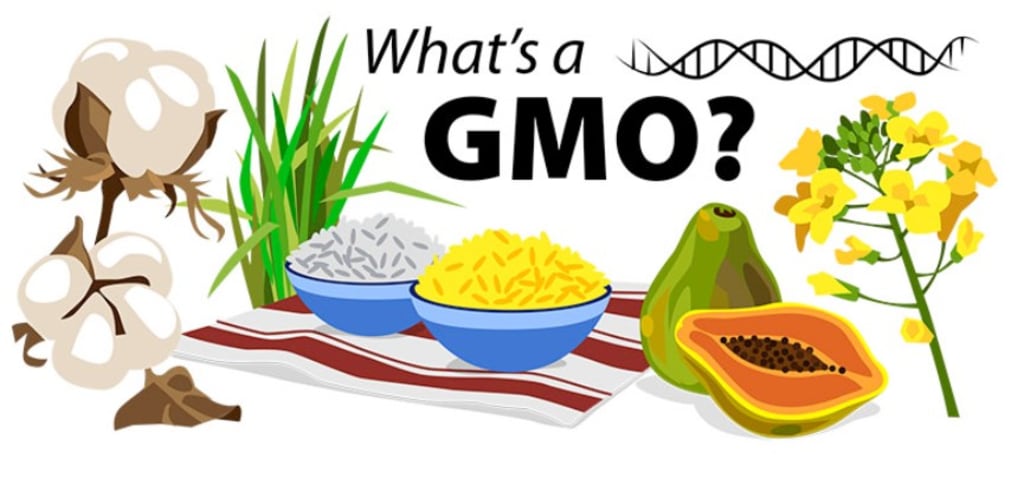
Genetically Modified Organisms (GMOs) have become a contentious topic, evoking passionate debates about their potential benefits and risks. Amidst the polarizing opinions and conflicting information, it is crucial to navigate through the hype and misinformation and seek a balanced understanding of GMOs. In this article, we embark on an enlightening journey, exploring the fascinating world of GMOs, dissecting the arguments for and against their use, and separating fact from fiction in the GMO debate. Get ready to unravel the complexities and uncover the truth behind the controversy!
GMOs Unveiled: Science at the Cutting Edge
Genetic modification involves altering the DNA of an organism, often by introducing genes from another species, to enhance desirable traits or provide resistance to pests, diseases, or environmental conditions. This technique has revolutionized agriculture, enabling the production of crops with improved yields, nutritional content, and shelf life. Proponents argue that GMOs offer a promising solution to global food security, as they have the potential to combat hunger, reduce pesticide use, and adapt crops to changing climate conditions.
Environmental and Health Concerns: Separating Fact from Fear
Critics of GMOs raise concerns about their potential impact on the environment and human health. Environmental worries center around the unintentional spread of modified genes to wild plants, potentially leading to unforeseen ecological consequences. However, rigorous testing and regulatory frameworks ensure the safety of GMOs before they are released into the environment. As for health concerns, extensive scientific research has consistently shown that approved GMOs currently on the market are safe for human consumption. Regulatory bodies worldwide, including the World Health Organization, have concluded that GMOs are no more risky than conventionally bred crops.
Labeling and Consumer Choice: Transparency and Information
Transparency and informed consumer choice are essential aspects of the GMO debate. Advocates for GMO labeling argue that consumers have the right to know whether the products they purchase contain GMO ingredients. Labeling initiatives aim to provide consumers with clear information, allowing them to make informed decisions based on their preferences and beliefs. However, opponents of mandatory labeling argue that it may contribute to fear-mongering and stigmatization of GMOs without providing meaningful information about their safety or benefits.
Sustainable Agriculture: Balancing Innovation and Ethics
The debate surrounding GMOs extends beyond scientific and health considerations. It delves into broader ethical questions related to corporate control over agriculture and the impact on small farmers. Critics argue that the dominance of GMO crops, often developed and owned by large biotech corporations, can marginalize small-scale farmers, restrict access to seeds, and exacerbate social and economic inequalities. It is essential to strike a balance between promoting innovation and ensuring that the benefits of agricultural advancements are shared equitably among all stakeholders.
The Role of Regulation: Ensuring Safety and Responsibility
Regulation plays a crucial role in governing the development and use of GMOs. Robust regulatory frameworks ensure that GMOs undergo rigorous scientific evaluation before being approved for commercialization. The evaluation process includes assessing potential risks to the environment, human health, and the socio-economic aspects of agricultural practices. Striking the right balance between promoting innovation, ensuring safety, and addressing ethical concerns requires ongoing dialogue and collaboration among scientists, policymakers, industry, and the public.
Moving Forward: Science, Sustainability, and Societal Values
The GMO debate reflects the intersection of science, sustainability, and societal values. Embracing scientific advancements and innovation while considering environmental sustainability, ethical concerns, and the diversity of societal values is crucial for shaping the future of GMOs. Open and inclusive discussions, along with continued scientific research, are key to navigating the complexities of this multifaceted issue.
In the GMO debate, it is essential to distinguish fact from fiction, examining the evidence objectively and critically. GMOs have the potential to contribute to global food security, improve crop resilience, and reduce environmental impacts. Scientific consensus supports the safety of approved GMOs, while regulatory frameworks ensure responsible development and deployment. However, ethical considerations and the need for transparency and consumer choice must be addressed. By fostering informed dialogue and embracing evidence-based decision-making, we can navigate the GMO landscape and work towards a sustainable and ethical agricultural future.
About the Creator
Gilbert Mutongoi Ashiku
Like Informative articles on trends and tech? you are at the right place, welcome on board and enjoy my fascinating articles.
Keep reading
More stories from Gilbert Mutongoi Ashiku and writers in Humans and other communities.
The Psychology of Clickbait
In today's digital age, clickbait headlines have become ubiquitous. You know the ones—the tantalizing titles that promise shocking revelations, unbelievable stories, or life-changing tips. But have you ever wondered why we can't resist clicking on them? In this article, we will delve into the psychology of clickbait, exploring the fascinating reasons behind our irresistible attraction to those intriguing headlines. Get ready to uncover the secrets behind the clickbait phenomenon.
By Gilbert Mutongoi Ashiku3 years ago in Humans
What Is a Sugar Daddy and How to Find a Sugar Daddy Online
When people ask what is a sugar daddy and how to find a sugar daddy online, they are often curious about the modern dynamics of wealthy networking. A sugar daddy is typically a successful, established man who provides financial support, mentorship, or luxury experiences to a younger partner, known as a sugar baby. These millionaire sugar daddies are looking for companionship without the traditional constraints of standard relationships. For sugar babies, this connection offers a chance to experience a higher standard of living, pay off student loans, or gain valuable career advice. Understanding this dynamic is the crucial first step for anyone entering this lifestyle.
By Willian James5 days ago in Humans




Comments
There are no comments for this story
Be the first to respond and start the conversation.