
Globalization: Investigating the ways
Globalization: Investigating the ways in which economic, political, and cultural globalization are transforming societies and creating new patterns of inequality and social conflict.

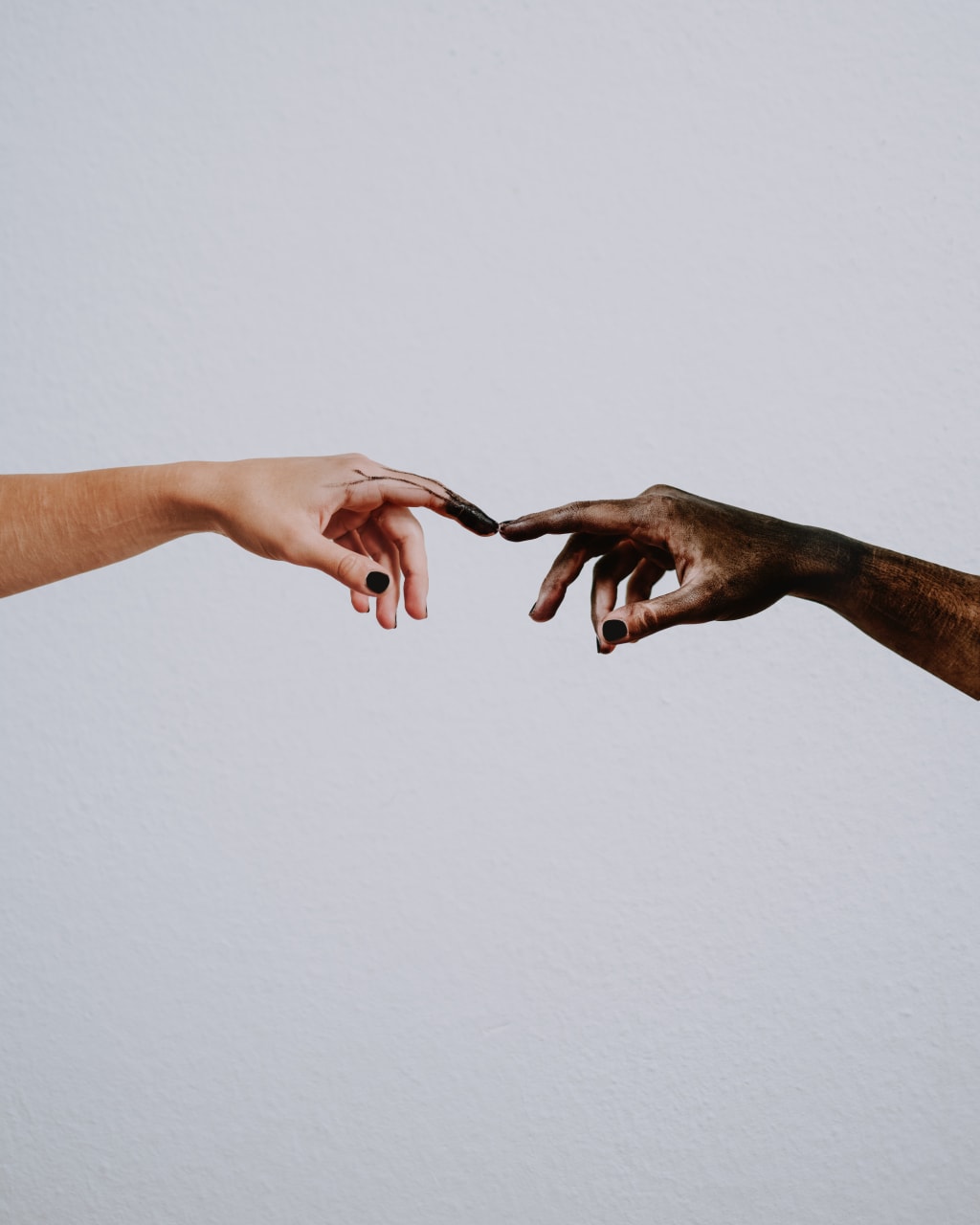
Globalization is a term that refers to the increasing interconnectedness of the world's economies, societies, and cultures. Over the past few decades, globalization has become a defining feature of our modern world, transforming the way we live, work, and interact with one another. However, while globalization has brought many benefits, such as increased economic growth and cultural exchange, it has also created new patterns of inequality and social conflict.
Economic globalization is one of the key aspects of globalization. It refers to the increasing interconnectedness of the world's economies, as countries become more reliant on each other for trade, investment, and the exchange of goods and services. Economic globalization has led to increased economic growth, as countries are able to access new markets and resources, and has also enabled businesses to operate on a global scale. However, it has also created new patterns of inequality, as some countries and individuals have benefited more than others from this process.
One of the main ways in which economic globalization has created inequality is through the unequal distribution of wealth and resources. As some countries and individuals have become more connected to the global economy, they have been able to access new markets and resources, which has allowed them to increase their wealth and standard of living. However, other countries and individuals have been left behind, unable to compete in the global economy and struggling to make ends meet.
This has led to a growing gap between the rich and poor, both within countries and between them. In many developing countries, economic globalization has led to the emergence of a new class of wealthy individuals, while the majority of the population continues to live in poverty. Similarly, in developed countries, globalization has led to the outsourcing of jobs and the decline of certain industries, which has resulted in job losses and economic insecurity for many people.
Political globalization is another aspect of globalization that has had a significant impact on societies. It refers to the increasing interconnectedness of the world's political systems, as countries become more reliant on each other for political cooperation and decision-making. Political globalization has led to the formation of international organizations and treaties, such as the United Nations and the World Trade Organization, which have enabled countries to work together on issues of global importance.
However, political globalization has also created new patterns of inequality and social conflict. One of the main ways in which this has occurred is through the concentration of power in the hands of a few powerful countries and institutions. As these countries and institutions have become more influential in the global political system, they have been able to shape the agenda and decision-making processes in their own interests, often at the expense of other countries and peoples.
This has led to a growing sense of frustration and resentment among many people, who feel that their voices are not being heard and that the global political system is rigged against them. It has also led to the emergence of new forms of political conflict, such as the rise of populist movements and the resurgence of nationalism, which seek to challenge the status quo and assert the interests of certain groups over others.
Finally, cultural globalization is a third aspect of globalization that is transforming societies around the world. It refers to the increasing interconnectedness of the world's cultures, as people are exposed to new ideas, values, and ways of life from different parts of the world. Cultural globalization has led to the spread of popular culture, such as music, movies, and fashion, and has also facilitated the exchange of ideas and knowledge between different societies.
About the Creator
amir siddiqi
I am a content writer with a passion for crafting engaging and informative written materials. Over the years, I have honed my writing skills to create content on various topics ranging from business and finance to entertainment.
Keep reading
More stories from amir siddiqi and writers in Humans and other communities.
Social inequality
Social inequality is a pervasive problem in societies around the world, and it arises from a complex web of factors such as social class, race, gender, and other forms of identity. These factors contribute to unequal opportunities and outcomes in society, and they can have profound impacts on the life chances and well being of individuals and communities.
By amir siddiqi3 years ago in Families
Why Didn't Anyone Tell Us
Men, move along. This is not for you. This is for the women. I was forty-five when I began menopause. It is pretty young for that to be going on in a woman’s life, but I had undiagnosed PCOS, my entire life. Thank you to all the gynecologists I had seen my entire life. That in itself should encourage women to keep seeking second opinions, especially when you are not getting correct answers or any at all.
By Alexandra Grant5 days ago in Humans


Comments
There are no comments for this story
Be the first to respond and start the conversation.