
Giggling Girls: A Tribute to the Love of Childhood Friendship
A heartfelt exploration of how young bonds shape us forever
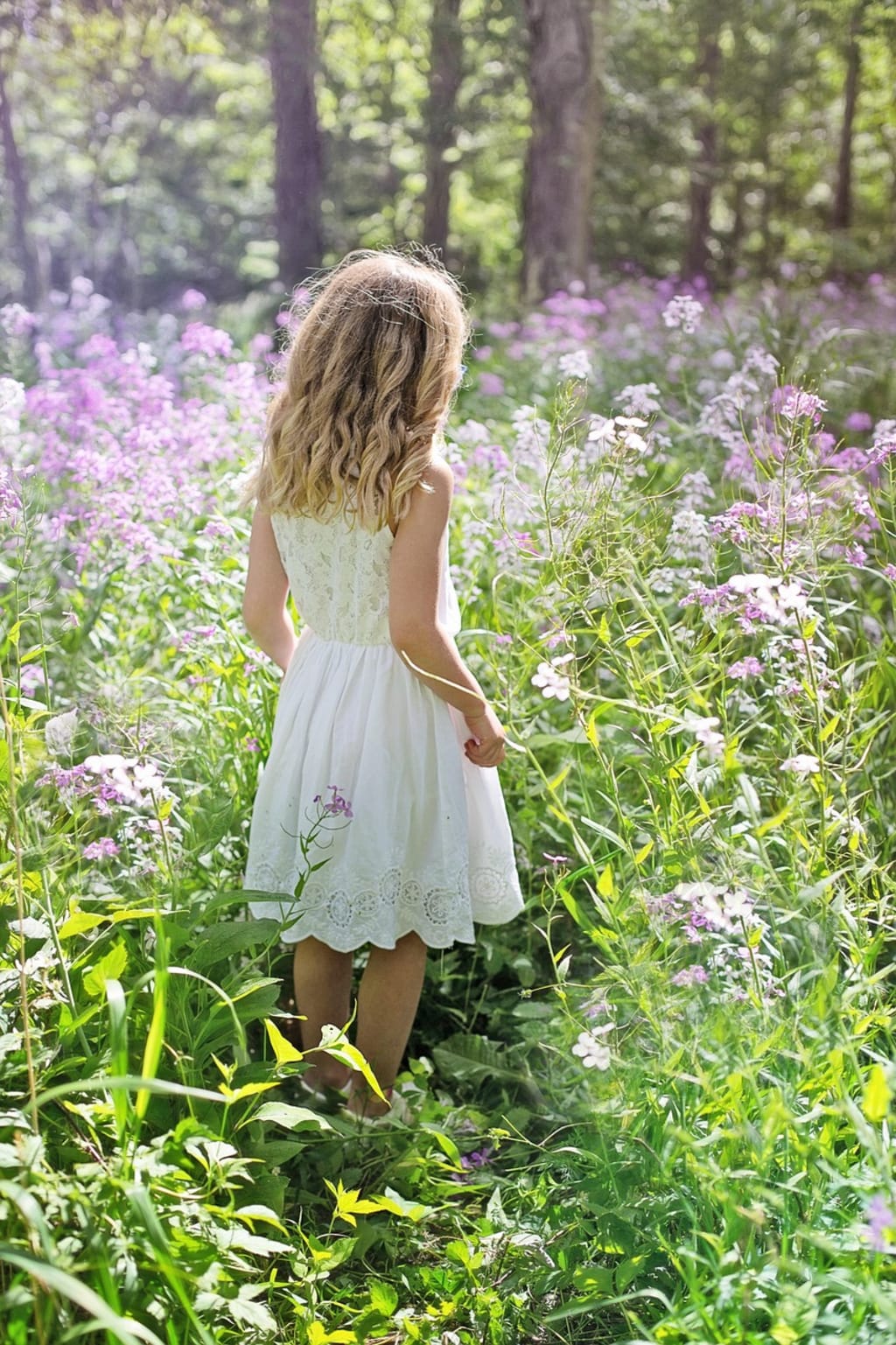
In the quiet warmth of a summer afternoon, the world slows down for two young girls. Their laughter rings out like music, echoing across the stillness of July. This moment, this pocket of sunshine and giggles, becomes a memory that will forever live in the corners of their hearts.
Reimagined Poem:
Giggling Girls: A Tribute to the Love of Childhood Friendship
In the drowsy days of hot July,
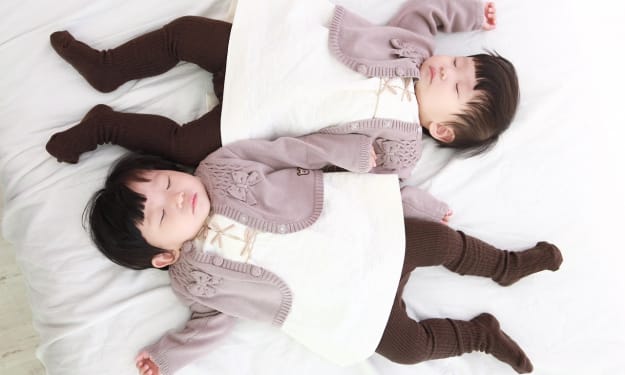
Two young girls lay side by side,
Bathed in sunlight, glowing bright,
Their laughter dancing with the light.
Best friends bound not by fate,
But by secrets only they relate,
Inside jokes that made them roar,
Stories only they kept score.
They’d run through sprinklers, barefoot and wild,
With the freedom that only comes to a child.
Skinned knees and ponytails flying high,
Underneath the broad blue sky.
They never paused to think or fear,
That one day they’d no longer be near.
Growing apart wasn’t in their plan,
The future was far — too far to understand.
For now, they simply lived each day,
In summer's golden, endless play.
Making bracelets, sharing dreams,
Planning lives in whispered schemes.
Lying in the grass with tangled hair,
No burdens, no worries, just being there.
The kind of love so pure, so true,
That only childhood can imbue.
In giggles, glances, and secret cues,
They built a world just for two.
And though time would pull the threads apart,
That summer stitched into their hearts.
---
Explanation & Commentary
This piece is more than just a poem about childhood—it’s a meditation on innocence, memory, and the inevitable passage of time. Below is a breakdown of the themes and literary elements in both the original and rewritten poem, designed to bring deeper understanding to the message it conveys.
---
1. Setting: Summer as a Symbol
The poem is set in hot, lazy July, which instantly evokes a feeling of timelessness. Summer often symbolizes freedom, warmth, and youth, and it's not accidental that this story unfolds during this season. The season serves as a perfect backdrop for carefree childhood, when school is out and days are long.
Literary Purpose:
Using seasonal imagery helps ground the reader emotionally. The heat and stillness of summer mirrors the calm joy and simplicity of childhood friendships, where every day stretches endlessly with possibility.
---
2. Characters: Giggling Girls as Universal Archetypes
The two girls are never named, which is intentional. This allows them to become stand-ins for all childhood best friends. Anyone who had a close companion during their younger years can see themselves in this story. Their laughter, their shared jokes, and their obliviousness to the future are all aspects many can relate to.
Literary Purpose:
This universality allows the poem to resonate with a broader audience. It's not just about two specific girls—it's about the emotional footprint that young friendships leave behind.
---
3. Friendship and Innocence
At its heart, this is a poem about pure, uncomplicated love—the kind that doesn’t come with jealousy, demands, or conditions. The girls don’t dream of heartbreak or separation. Their world is each other. They are not worried about popularity, betrayal, or judgment. They simply exist in each other's orbit, entirely present in the moment.
Literary Purpose:
By capturing these moments of innocence, the poem allows readers to mourn their own lost simplicity. It's a quiet reminder of what we once had before adulthood complicated relationships.
---
4. Time and Change
One of the most poignant lines in the original poem is:
> "Never dreaming they would / Grow up one day / Going their separate ways / Is unimaginable"
This is where the undertone of sadness begins to seep in. The girls, so lost in the now, can’t fathom a future where they might no longer be close. And yet, the reader knows all too well that time changes everything.
Literary Purpose:
This dramatic irony—the audience knowing what the characters do not—is a powerful literary device. It builds an emotional connection and reminds us how fleeting moments can be.
---
5. The Power of Memory
The rewritten version expands on the original by painting vivid pictures of the girls' activities—running through sprinklers, making friendship bracelets, whispering about the future. These are not just random scenes; they are emotional touchstones. Decades later, those giggles, those lazy afternoons, will return uninvited in memories and dreams.
Literary Purpose:
Memory is framed as a character itself. The poem suggests that though we lose touch with people, we carry them within us, stitched into our very hearts by the summers we once said
6. The Ending: Bittersweet but Beautiful
While there is no explicit goodbye in the poem, the reader senses a silent farewell in the final lines:
> "And though time would pull the threads apart,
That summer stitched into their hearts."
This is both sorrowful and comforting. Yes, people grow apart, but the emotional truth of that friendship lives on.
Literary Purpose:
This closing metaphor of stitching—a symbol of connection and repair—reminds us that even though we move on, those bonds still define who we are. It's not about losing someone; it’s about carrying part of them with you forever.
---
Deeper Meaning: Why This Poem Matters
In an age where many friendships are digitized, superficial, or fleeting, “Giggling Girls” captures a kind of connection that feels almost mythical today. It brings us back to a time before social media, before adult responsibilities, before we even had the language to express loyalty or loss.
This poem matters because:
It helps us reconnect with our inner child.
It validates the emotional power of platonic love.
It invites us to reflect on what we’ve lost—and what still lives inside us.
---
For the Reader: A Prompt for Reflection
After reading this, you might find yourself smiling—and aching. Perhaps you're thinking of your giggling girl or boy. The one you built blanket forts with. The one you planned your future wedding with, made up silly songs with, or called your “best friend forever.”
But what happened?
Maybe life got busy. Maybe your paths diverged. Maybe you haven’t spoken in years.
Maybe it’s time to reach out.
---
Final Thoughts
“Giggling Girls” isn’t just a poem—it’s a mirror. It reflects who we once were, and the people who made us who we are. It teaches us that even though friendships may fade with time, the love behind them never truly vanishes.
So next time you find yourself lying in the grass or walking beneath the summer sun, listen closely. You might just hear the echoes of giggles from years ago, calling you home.
About the Creator
Keep reading
More stories from Alikhan Jann and writers in Humans and other communities.
The Girl Who Blinked: How a Sixteen-Year-Old Stopped a Massacre by Trusting the Knot in Her Stomach
The true story of Emily Carson, the Colorado high school student who prevented a school shooting by noticing a subtle detail and reporting it, highlighting the power of situational awareness.
By Frank Massey 5 days ago in Humans


Comments
There are no comments for this story
Be the first to respond and start the conversation.