
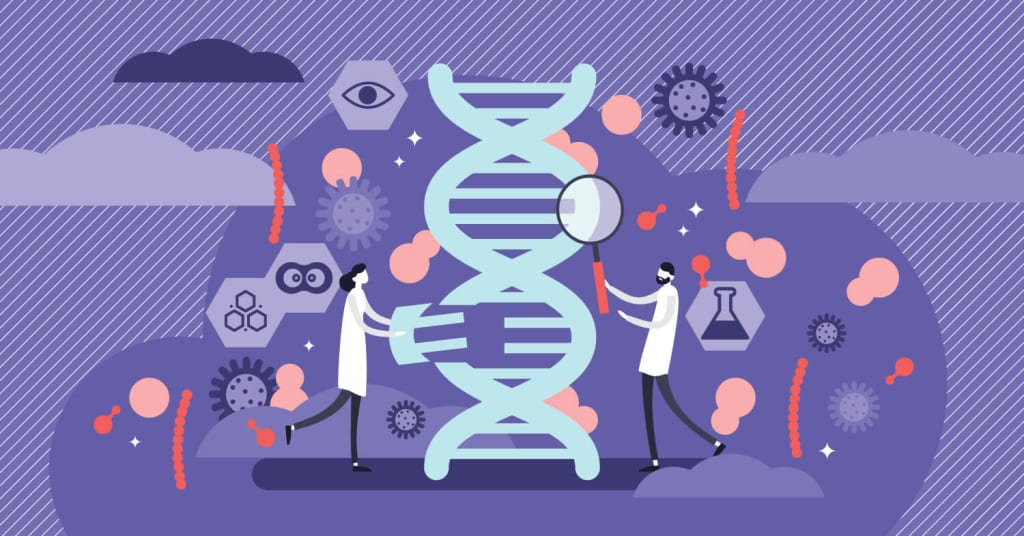
A genepool is a collection of genetic material found in a population of organisms. It is the sum total of all the genes and alleles that are present in a particular species or population. The genepool is constantly changing and evolving as a result of natural selection, genetic drift, and mutation.
The genepool is an important concept in evolutionary biology as it is the source of genetic variation that allows for natural selection to occur. Genetic variation is the key to the survival of a species as it allows for adaptation to changing environments. For example, if a population of birds is faced with a new predator, those individuals with genetic variations that make them better able to evade the predator will have a higher chance of survival and passing on their genes to the next generation. This process of natural selection will eventually lead to the population of birds becoming better adapted to the predator.
The genepool is also important in conservation biology as it is the source of genetic diversity that is needed to maintain the health and vitality of a species. Genetic diversity is important for the survival of a species as it allows for adaptation to changing environments and also provides a buffer against diseases and other threats. For example, if a population of animals is faced with a new disease, those individuals with genetic variations that make them resistant to the disease will have a higher chance of survival and passing on their genes to the next generation. This process will eventually lead to the population of animals becoming more resistant to the disease.
The genepool is also important in agriculture as it is the source of genetic diversity that is needed to develop new crop varieties that are better adapted to changing environments and are resistant to diseases and pests. Genetic diversity is important for the survival of a crop as it allows for adaptation to changing environments and also provides a buffer against diseases and other threats. For example, if a new disease is affecting a crop, those plants with genetic variations that make them resistant to the disease will have a higher chance of survival and passing on their genes to the next generation. This process will eventually lead to the crop becoming more resistant to the disease.
However, the genepool can also be threatened by human activities. Habitat destruction, pollution, and over-harvesting can all lead to the loss of genetic diversity in a population. In addition, the introduction of non-native species can also lead to the loss of genetic diversity as they can outcompete native species and lead to the extinction of native populations.
One example of human activities affecting the genepool is the loss of genetic diversity in crop plants. Historically, farmers grew a wide variety of crop plants that were adapted to different local conditions. However, with the advent of industrial agriculture, farmers have begun to rely on a small number of crop varieties that are highly productive but are not well adapted to local conditions. This has led to the loss of genetic diversity in crop plants and has made them more vulnerable to diseases and pests.
Another example of human activities affecting the genepool is the introduction of non-native species. Non-native species can outcompete native species and lead to the extinction of native populations. For example, the introduction of non-native fish species into lakes and rivers can lead to the extinction of native fish species.
To conserve the genepool, it is important to protect and preserve genetic diversity. This can be done through conservation biology, which involves protecting and preserving genetic diversity in wild populations. This can be done by protecting and preserving habitats, managing hunting and fishing, and controlling the introduction of non-native species.
In addition, it is also important to conserve the genepool in agriculture. This can be done through the development of new crop varieties that are better adapted to changing environments and are resistant
About the Creator
Keep reading
More stories from writers in Humans and other communities.
How to Check Loyalty in Relationship Before You Get Hurt
Loyalty does not imply perfection. It is all about consistency, honesty, and emotional safety. When loyalty is there, trust increases. When it is missing, uncertainty gradually erodes the partnership. Many people disregard early warning signs, believing that things will improve. We feel it is better to observe, ponder, and comprehend loyalty before emotional damage occurs.
By Bloom Boldly3 days ago in Humans
Center Stage with Paul Stewart
*** I'm keen to republish the interviews I did for my series with Vocal creators. It's been a few years and I thought it might be nice to revisit these wonderful conversations. I'll be releasing them one at a time for a few weeks/months.
By Heather Hubler2 days ago in Interview




Comments
There are no comments for this story
Be the first to respond and start the conversation.