
Gaza
Hamas Debating U.S. Proposal for Gaza Ceasefire: Is There a Glimmer of Hope for Resolution?

Hamas Debating U.S. Proposal for Gaza Ceasefire: Is There a Glimmer of Hope for Resolution?
For the past few weeks, the ongoing conflict in the Middle East has captured global attention. As the war between Israel and Hamas rages on in the Gaza Strip, the international community has intensified its calls for a ceasefire. In the midst of this crisis, the United States has proposed a ceasefire agreement, which Hamas is reportedly now seriously considering, according to official sources.
This proposal could be a major opportunity for peace in the region. However, there are questions and doubts about its viability. This article will examine the context behind the proposal and Hamas’s position on it.
The Gaza Crisis: Civilians in Distress
The continued violence in Gaza has resulted in the deaths and injuries of thousands of civilians. On one side, Israeli airstrikes and missile attacks have turned residential buildings, schools, hospitals, and other civilian infrastructure into rubble. On the other, Hamas rocket fire has reached various Israeli cities. People on both sides are suffering.
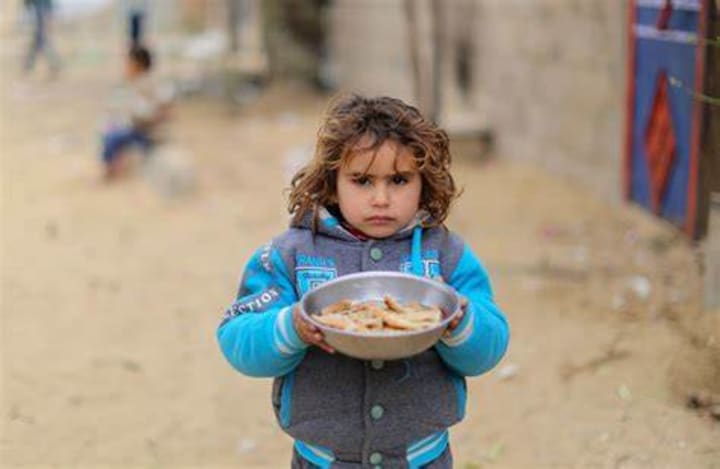
Gaza’s infrastructure has been severely damaged, with electricity and water supplies heavily disrupted. There is a severe shortage of food, medicine, and essential supplies, leaving the population in dire conditions. As a result, international human rights organizations and foreign governments have called for an immediate ceasefire.
The U.S. Ceasefire Proposal: What’s in It?
The United States has introduced a ceasefire proposal aimed at halting the conflict as quickly as possible. The main points of the proposal include:
1. Immediate cessation of hostilities by both Hamas and Israel.
2. Humanitarian aid access into Gaza to deliver food, medicine, and emergency assistance.
3. Security assurances to protect civilians and prevent renewed violence from either side.
4. International monitoring to ensure the stability of the ceasefire and its enforcement.
The U.S. hopes that if this proposal is accepted quickly, it will save civilian lives and pave the way for longer-term peace negotiations.
Hamas’s Response and Internal Debate
According to government sources, Hamas is currently engaged in serious internal discussions about the U.S. proposal. So far, they have not issued any formal acceptance or rejection of the terms. Reactions among Hamas leadership appear to be mixed.
On one hand, there is recognition that a ceasefire could help prevent further civilian casualties and ease the humanitarian crisis in Gaza. On the other hand, there are concerns about how the ceasefire might affect Hamas’s political and military position.
Hamas is particularly wary of any proposal that might impose conditions solely on them, especially in relation to Israel’s ongoing blockade and broader political control over Gaza. They are unlikely to accept any deal that compromises their long-term objectives or is seen as one-sided.
The Role of the International Community
The international community is playing a crucial role in efforts to de-escalate the crisis. The United Nations, regional peace brokers, and major powers like the U.S. and Russia are all calling for a ceasefire.
Experts believe that a shift in mindset is required on both sides to achieve any meaningful resolution. At the same time, effective international monitoring and swift delivery of humanitarian assistance are essential for stabilizing the situation.
How Likely Is a Ceasefire?
While the U.S. proposal has raised some hopes, its implementation remains uncertain. This is not the first time a ceasefire has been proposed in the context of the Israel-Hamas conflict, and past efforts have often collapsed due to deep political and military mistrust.
Key issues—such as the Israeli blockade of Gaza, political divisions within Palestinian leadership, and lack of mutual trust—make any ceasefire fragile and difficult to sustain.
Still, given the current humanitarian catastrophe and mounting international pressure, some analysts believe that a temporary ceasefire could be within reach, even if a permanent resolution remains elusive.
Final Thoughts
The crisis in Gaza has created an unbearable situation for civilians. The U.S.-led ceasefire proposal offers a rare glimmer of hope, but its sustainability remains uncertain.
Much depends on Hamas’s official response in the coming days. Their decision—and Israel’s reaction to it—will likely shape the next chapter of this long-standing conflict.
Without sincere goodwill and international mediation, achieving lasting peace in Gaza will be very difficult. But for now, even a temporary ceasefire could save countless lives and begin to restore some measure of stability in the region.
About the Creator
Keep reading
More stories from Minhaz uddin and writers in Humans and other communities.
Quran
The Quran, regarded as the holy book of islam, is considered by Muslims to be the teral word of God (Allah) revealed to the Prophet Muhammad (PBUH) over a period of spproximately 23 years through the angel Gabriel. It serves as the ultimate guide for Muslims, covering various aspects of life, from theology and law to personal conduct and ethics. One of the central concerns regarding the Quran is its authenticity-the extent to which it has been preserved in its original form and the degree to which it can he considered a genuine revelation in this article, we will explore the authenticity of the
By Minhaz uddin8 months ago in History
Whiskey At Dusk
Guess the whiskey was more important to you in the end, wasn’t it? It was more than the well-being of your friends; more vital than showing up to the places you promised you would and could come to; more critical of a matter than fulfilling your damn responsibilities and getting the press off your back.
By Snarky Lisa3 days ago in Humans
📢 Raise Your Voice Thread: 01/22/2026
Our “Raise Your Voice Threads” are hosted most alternating Thursdays at 12PM ET to offer creators more avenues to uncover exceptional stories on Vocal. As we are continuously searching for fresh creators and inspiring stories, this thread provides an opportunity to exchange and discuss the stories that have moved and motivated us on Vocal.
By Raise Your Voice by Vocal5 days ago in Resources



Comments (1)
The situation in Gaza is tragic. The violence has hit civilians hard on both sides. The U.S. proposal seems like a step in the right direction, but it's crucial to see if it can really work. How will Hamas and Israel ensure security while allowing aid in? And who will be responsible for monitoring? We need answers fast.