
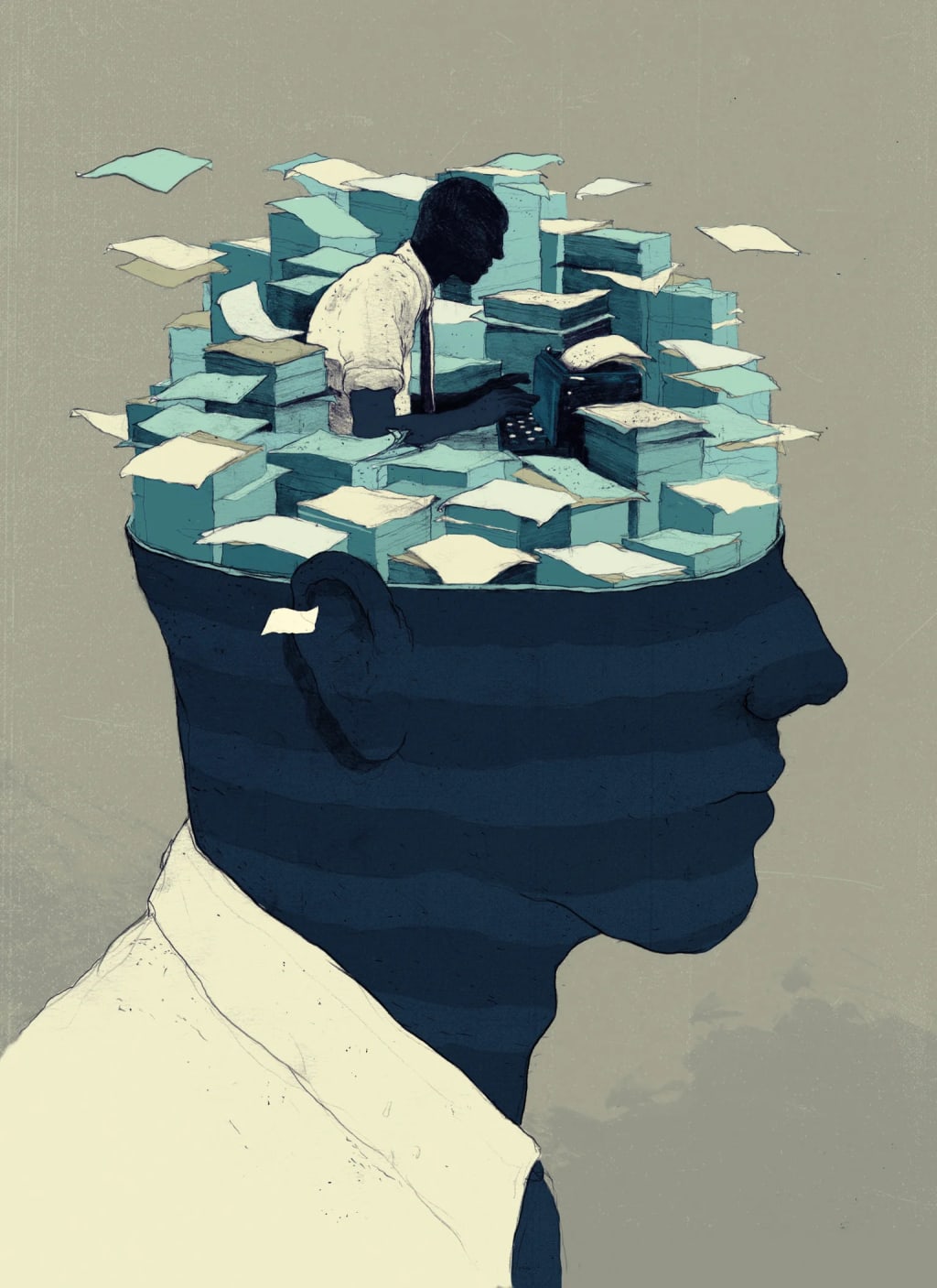
Free will is a concept that has fascinated philosophers, theologians, and scientists for centuries. It is the belief that individuals have the ability to make choices and decisions that are not predetermined by external factors or forces. The idea of free will is central to many religious and philosophical systems, and it also plays a significant role in modern debates about determinism, moral responsibility, and human agency.
There are several arguments that support the existence of free will. One of the most common arguments is based on introspection. Humans have a subjective experience of making choices and decisions that cannot be reduced to a set of predetermined factors. We feel that we have the ability to choose between different options and that our choices have real consequences. This experience of agency and autonomy is central to our sense of identity and purpose, and it suggests that free will is a real phenomenon.
Another argument in favor of free will is based on the complexity of human behavior. Humans are capable of exhibiting a wide range of behaviors, from altruistic acts of kindness to selfish and destructive behavior. While some of these behaviors may be influenced by external factors such as social norms or environmental conditions, they cannot be entirely explained by these factors. The fact that humans can act in unpredictable and creative ways suggests that they have a degree of freedom in their decision-making.
Furthermore, recent developments in neuroscience have challenged the idea of determinism and reinforced the idea of free will. While it is true that the brain is subject to physical laws and operates according to a set of neural networks, it is also true that the brain is highly adaptable and capable of rewiring itself in response to new experiences and stimuli. This plasticity suggests that the brain is not entirely determined by its physical structure and that humans have the ability to shape their own neural pathways through their actions and choices.
Finally, the concept of moral responsibility is closely linked to free will. If humans were entirely determined by external factors or forces, then it would be difficult to hold them accountable for their actions. However, the fact that humans are capable of making choices and decisions suggests that they have a degree of control over their behavior and can be held responsible for their actions. This idea is central to our legal system and our notions of justice and fairness.
Despite these arguments in favor of free will, there are also several challenges and criticisms that must be addressed. One of the most significant challenges is the problem of determinism. Determinism is the belief that all events, including human behavior, are determined by a set of external factors such as physical laws or environmental conditions. If determinism is true, then it would suggest that free will is an illusion and that humans do not have the ability to make choices or decisions that are not predetermined.
Another challenge to the concept of free will is the issue of causality. If humans are capable of making choices and decisions that are not determined by external factors, then it raises the question of what causes these choices and decisions. Some philosophers argue that free will requires an infinite regress of causality, which is impossible to reconcile with our understanding of physics and causality.
Furthermore, recent research in psychology and neuroscience has raised questions about the extent to which humans are capable of making truly independent decisions. Studies have shown that many of our choices and decisions are influenced by subconscious biases and cognitive processes that operate outside of our awareness. This suggests that our sense of agency and autonomy may be illusory and that our decisions are more deterministic than we realize.
In conclusion, the concept of free will is a complex and multifaceted issue that has been debated for centuries. While there are compelling arguments in favor of free will, there are also significant challenges and criticisms that must be addressed. Ultimately, the question of whether humans have free will may never be fully resolved, but it is an important issue that has significant implications for our understanding
About the Creator
V. Mendez MBA
A dynamic and accomplished MBA with a wealth of experience in managing various industries and leading social clubs. With excellent leadership skills and business acumen.
Keep reading
More stories from V. Mendez MBA and writers in Humans and other communities.
Living In Econia
Once upon a time, in a faraway land called Econia, there was a thriving economy that brought prosperity to all its citizens. However, the good times were not to last forever. In the wake of a global financial crisis, Econia began to suffer from a failing economy that threatened to bring the country to its knees.
By V. Mendez MBA3 years ago in Fiction
Love Between Two Enemies Part Four
Secrets Don’t Stay Buried The photograph felt heavier than paper. Ethan stared at it under the dim light of his office, long after midnight had swallowed the city. Two men stood side by side, their hands clasped in a firm handshake—smiles restrained, eyes calculating.
By Ahmed aldeabellaa day ago in Humans




Comments
There are no comments for this story
Be the first to respond and start the conversation.