
Forklift Operator: The Unsung Heroes of Warehouse Efficiency
The Vital Role of Forklift Operators in Warehouse and Supply Chain Efficiency

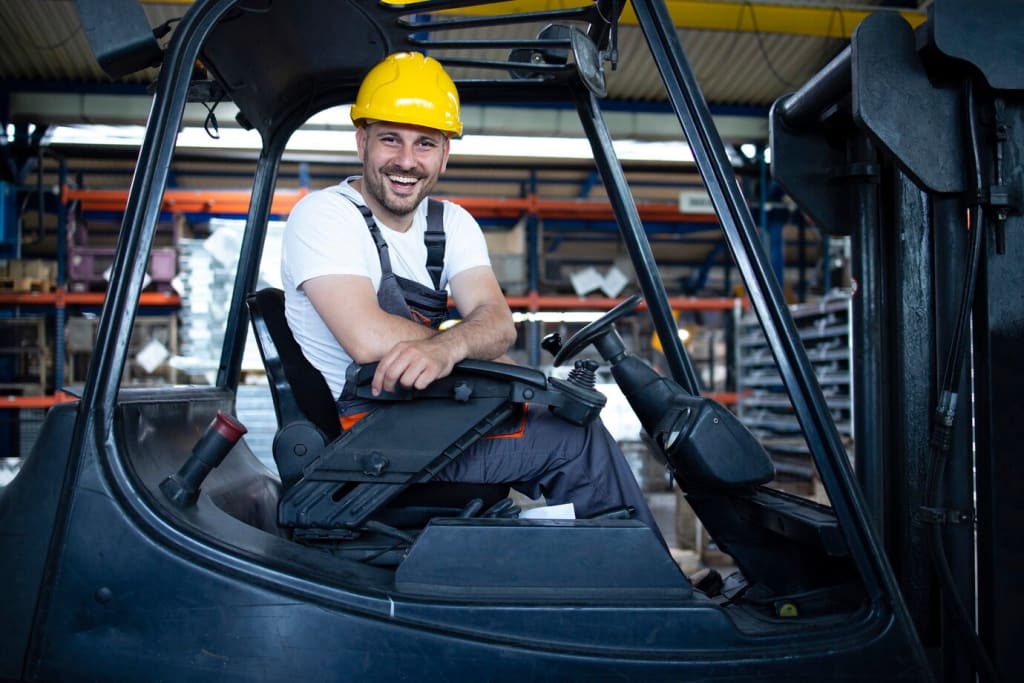
Forklift operators are the backbone of many industries, especially in warehouses, construction sites, and distribution centers. These skilled professionals are responsible for safely transporting heavy loads, stacking materials, and ensuring the smooth flow of goods from one place to another. Without forklift operators, many of the day-to-day operations in logistics and warehousing would come to a halt. In this blog, we’ll explore what it means to be a forklift operator, the skills required, and why their role is so vital to the success of businesses that rely on efficient material handling.
What Does a Forklift Operator Do?
A forklift operator’s primary responsibility is to maneuver a forklift (also known as a lift truck) to transport goods or materials within a warehouse, loading dock, construction site, or similar environment. Forklifts are used to lift and move heavy pallets, boxes, or machinery, allowing workers to stack items safely and organize inventory.
The tasks of a forklift operator can include:
Loading and unloading shipments from trucks or storage areas.
Moving goods to and from different areas of the warehouse.
Organizing products or materials in shelves or storage locations.
Inspecting forklifts for safety before use.
Maintaining an orderly and clean work environment to avoid accidents.
Adhering to safety protocols to ensure both personal safety and the protection of goods.
Despite the simplicity of the role, operating a forklift requires great care and attention to detail. Forklift operators are not just moving things around; they’re doing so in a way that prevents accidents, avoids damage to goods, and ensures that the entire supply chain remains on schedule.
The Skills and Qualifications of a Forklift Operator
Being a forklift operator is not as simple as driving a vehicle. There are specific skills and qualifications that are necessary to ensure safety and efficiency:
Forklift Certification: In many countries, forklift operators must undergo formal training and obtain a certification before they can operate a forklift. This training includes understanding the mechanics of the forklift, learning how to load and unload safely, and knowing how to perform routine maintenance checks.
Attention to Detail: Forklift operators need to be highly attentive to their surroundings. They must navigate tight spaces, be aware of potential hazards, and ensure that products are stacked correctly to avoid accidents or damage.
Physical Fitness: While the forklift itself does most of the heavy lifting, operators are still required to be in good physical condition. They need to be able to move and position goods, inspect equipment, and sometimes lift smaller items manually.
Communication Skills: Forklift operators often work as part of a team. Whether it’s coordinating with warehouse staff, truck drivers, or supervisors, effective communication is key to ensure operations run smoothly and safely.
Problem Solving: Forklift operators may encounter unexpected situations, such as a blocked path, an equipment malfunction, or an improperly loaded pallet. The ability to think on their feet and solve problems quickly is an essential skill for success in this role.
The Importance of Forklift Operators in Today’s Economy
Forklift operators play a vital role in industries such as manufacturing, retail, logistics, and construction. They ensure that goods are handled efficiently and safely, which directly impacts the overall productivity of a business. When forklift operators do their job well, it reduces the chances of inventory damage, prevents workplace accidents, and speeds up the entire supply chain.
As e-commerce continues to boom, the demand for forklift operators is also on the rise. Many warehouses and fulfillment centers now run 24/7 to keep up with online orders, making reliable forklift operators more essential than ever.
Conclusion
Forklift operators are often overlooked, yet they are essential to keeping many industries running smoothly. Their role goes beyond just operating a machine—it requires skill, attention to safety, and a commitment to efficient material handling. Whether it’s moving heavy loads in a warehouse or ensuring goods are safely stacked for distribution, forklift operators play an indispensable part in the logistics and supply chain industry. It’s a job that requires both mental and physical agility, and the value of these workers cannot be overstated in today’s fast-paced, high-demand world.
About the Creator
Keep reading
More stories from Gils Pvt Ltd and writers in Humans and other communities.
Simplifying Payroll with Outsourcing:
Introoduction Managing payroll is a critical yet complex task for any business. It involves more than just issuing paychecks—it’s about ensuring compliance with tax laws, managing employee benefits, and maintaining precise records. For many businesses, particularly small to medium-sized ones, handling payroll in-house can be overwhelming and resource-intensive. This is where payroll outsourcing comes in—a solution that streamlines the payroll process, saves time, and minimizes errors.
By Gils Pvt Ltd about a year ago in Humans
~ Fired ~
— Ai Intrusion ~ Are you Next ~ Is Ai Evolution after your job? — Few workplaces haven't been affected. Ai is in supermarkets, at doctors' offices, and even monitoring farms. I just can't think of anything this machine is not getting into, can you? For instance: Education ~ Law and Tech jobs will one day have a major influence or be taken over by these inanimate machines, with accuracy and vigor. From mechanics' diagnoses to a wide variety of everyday jobs, including fast food workers, with this input having the ability to cut their unnecessary work hours. I'm certain all of us have been touched by this with our short stories and colorful headings, have you? Even comments are very questionable 'Non-Robot' insertions.
By Jay Kantor2 days ago in Journal


Comments
There are no comments for this story
Be the first to respond and start the conversation.