
Food for Life
Fuel Your Body, Energize Your Mind, and Thrive in Every Way


Introduction:
Maintaining a healthy lifestyle has become more crucial than ever in the fast-paced world of today. A key component of this way of living is eating well. Consuming a balanced diet helps avoid chronic illnesses, promote mental health, and improve overall quality of life in addition to providing critical nutrients. This article examines the value of eating healthily, highlights important ideas to think about, and offers helpful advice on how to include wholesome meals in your everyday routine. You may actively work toward obtaining maximum well-being by realizing the importance of a balanced diet.

The Significance of Healthy Eating:
A strong and robust body is built on a healthy diet. It provides us with the vitamins, minerals, proteins, and healthy fats we need to maintain a strong immune system, support biological processes, and repair and regenerate cells. A diet high in whole foods, such as fruits, vegetables, whole grains, lean proteins, and healthy fats can greatly lower the risk of acquiring chronic diseases including heart disease, diabetes, and obesity, according to scientific study.
Additionally, eating well has a good effect on cognitive performance and mental wellness. Memory, attention, and general mood may all be improved by eating a diet rich in brain-boosting nutrients including omega-3 fatty acids, B vitamins, and antioxidants. By providing the correct nourishment for our bodies, we enable ourselves to live more satisfying lives.
Key Principles of Healthy Eating :
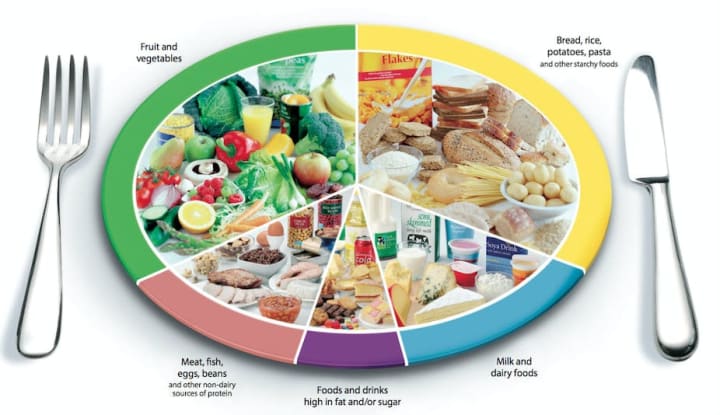
Understanding certain fundamental concepts is necessary in order to adopt a healthy eating pattern. First, give whole foods the edge over processed meals. Whole foods are more nourishing and contain fewer empty calories because they retain their inherent nutrients, fiber, and medicinal ingredients. The key is to make sure that your meals contain a mix of fruits and vegetables, whole grains, lean meats, and healthy fats.
Balance is also crucial. Make an effort to fill your plate with a variety of macronutrients, such as carbs, proteins, and fats. This harmony enables continued satiety, adequate nutrient intake, and maintained energy levels.
Furthermore, portion control is essential. Pay attention to your body's signals of hunger and fullness, and attempt to eat in moderation. A healthy relationship with food may be fostered and overeating can be avoided through mindful eating.
Stay hydrated, and that's it. Water helps with digestion, nutrition absorption, and toxin disposal and is crucial for healthy biological activities. Make it a practice to consume enough water throughout the day.

Practical Tips for Healthy Eating:
1. Plan and prepare meals in advance: Set some time each week to organize and cook wholesome meals. This approach promotes healthy eating habits and helps prevent impulsive food decisions.
2. Read food labels: To make wise decisions, learn to read food labels. Look for foods that are high in important nutrients and low in harmful fats, salt, and added sugars.
3. Cook at home: Meals prepared at home provide you control over the ingredients and serving amounts. Try out new recipes and delight in the act of cooking wholesome foods.
4. Pack your lunch: You can assure healthier selections and steer clear of harmful fast food and vending machine snacks by packing your own lunch for work or school.
5. Snack smartly: Snack on nutrient-dense foods like Greek yogurt, fresh fruit, raw almonds, or these to sate your cravings and maintain a steady energy level between meals.
6. Limit processed foods and sugary beverages: These foods frequently include a lot of extra sugar, bad fats, and empty calories. Choose healthier substitutes and cut back on their intake.
Conclusion:
Making healthy eating a priority is a wise investment in your wellbeing as a whole. Consuming meals that are high in nutrients not only lowers your chance of developing chronic diseases, but also improves your mood, energy, and brain sharpness. You can take charge of your health by adhering to fundamental principles like selecting whole meals, exercising portion control, and drinking enough of water. Additionally, making healthy eating a lasting and joyful habit requires adopting useful strategies like meal planning, cooking at home, and smart snacking. Always keep in mind that the road to a better living begins with the decisions you make at each meal. So, take advantage of the benefits of a nutritious diet and realize your full potential for a happy and satisfying life.
About the Creator
Keep reading
More stories from Noorul Ameen and writers in Humans and other communities.
Top 10 Mind Relaxation Activities for a Stress-Free Life
Introduction: Finding time to unwind and relax in today's hectic environment is crucial for preserving mental health. Mindfulness exercises can help lower stress, increase attention, and foster a sense of serenity. The top 10 mind-relaxing hobbies that can help you live a life free of tension are listed in detail in this article.
By Noorul Ameen3 years ago in Humans
Today, Tomorrow
I had a moment recently where I contemplated what is even genuine anymore in the digital space. Humans were bound to be predictable in our unethical use of AI, I cannot think of any popular user generated platform online that has not been exploited or oversaturated in one way or another. Money, power and dominance are the pillars of society, so it is no surprise the rapid development of AI coincides with the human condition.
By Malachai Houghabout 18 hours ago in Humans



Comments
There are no comments for this story
Be the first to respond and start the conversation.