
Finding Solutions in the Crowd.
Ordinary People, Extraordinary Solutions.

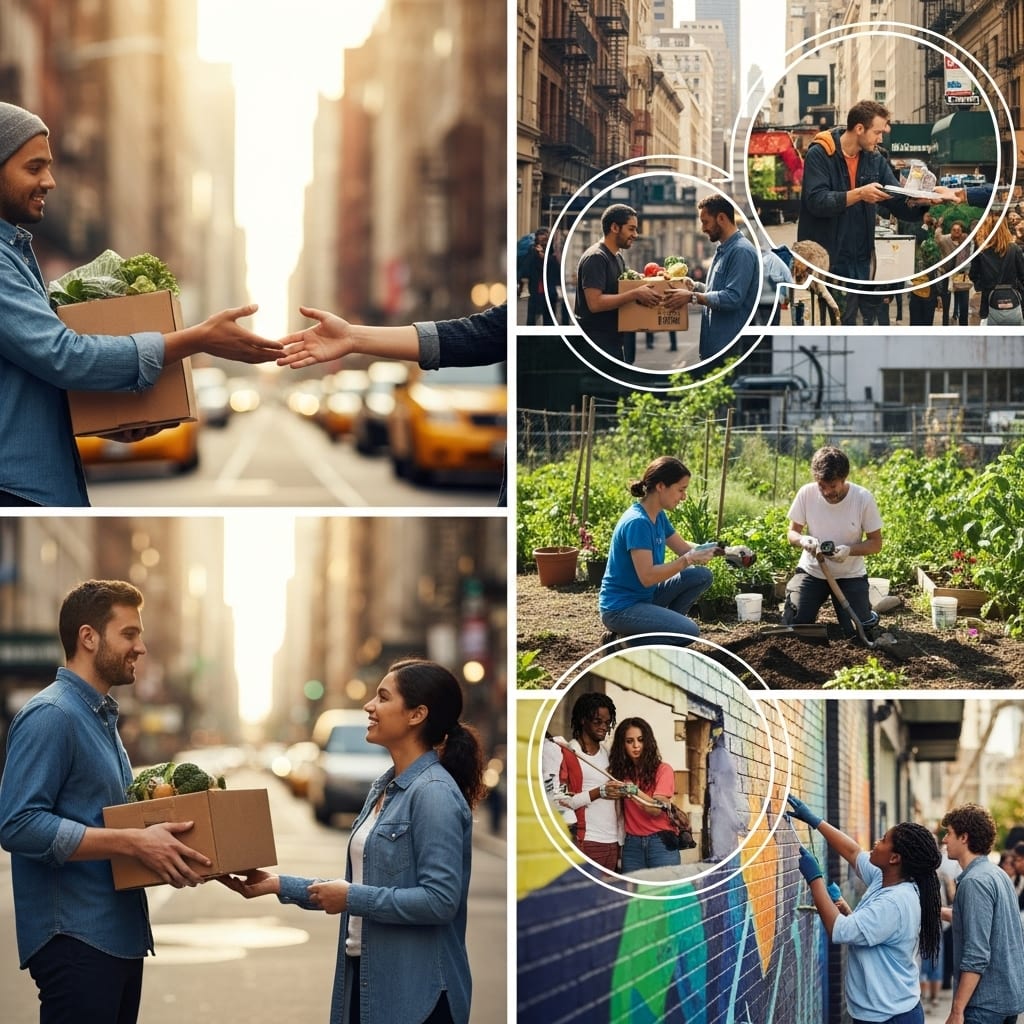
The city never sleeps. Its streets hum with the constant rhythm of life, a mix of hurried footsteps, honking horns, and the chatter of countless voices. For millions of people, living in a bustling city is both exhilarating and exhausting. Beneath the glittering skyline and the bright lights, however, lie real problems that affect everyday lives—rising rents, overcrowded transportation, long work hours, and the constant struggle to balance survival with a sense of community. Yet, amid these challenges, ordinary people are finding extraordinary ways to solve problems, often without waiting for governments or large organizations to intervene.
The Struggle of Daily Life
For most city residents, life is a constant negotiation. Take housing, for instance. Affordable apartments are increasingly rare, and the competition for rental units is fierce. Maria, a single mother working two jobs, spends nearly 60% of her income just on rent for a small one-bedroom apartment. She represents thousands who wrestle with the question: how can one survive in a city where basic necessities cost so much?
Then there’s transportation. The subways and buses are often overcrowded, delayed, and uncomfortable. Commuting an hour or more each day is common, leaving little time for personal life, self-care, or even basic rest. People feel trapped, caught in a cycle of working to pay for necessities but having no energy to truly enjoy life.
Food, too, is a challenge. Despite living in a place with endless restaurants and grocery stores, the cost of living makes nutritious meals difficult for many. Families must carefully budget, often sacrificing quality for affordability. The pressure of these daily struggles weighs heavily on everyone, yet the human spirit remains resilient.
The Birth of Solutions
In the midst of these challenges, ordinary citizens are finding solutions. What’s remarkable is that many of these solutions don’t come from corporations or government programs—they emerge from the people themselves.
Maria, for example, became part of a housing co-op initiative. This grassroots program allowed several families to pool resources, rent a larger apartment collectively, and share responsibilities. By working together, they created an affordable, stable living situation that improved quality of life for everyone involved. Maria no longer worries about losing her home, and her children finally have space to play and study.
Transportation problems, too, are being tackled creatively. Commuters who once struggled with overcrowded subways have started bike-share programs and community carpooling apps. What began as small groups of coworkers sharing rides has now evolved into neighborhood-wide initiatives. These programs reduce commute stress, lower carbon emissions, and build social bonds among participants. People who once barely spoke now greet each other daily, creating a sense of community that was missing before.
Food insecurity has inspired solutions as well. Local volunteers have created community kitchens and neighborhood food swaps, ensuring that nutritious meals reach those who need them most. Surplus vegetables from small urban farms are distributed to families struggling to afford groceries. Students, retirees, and office workers all pitch in, proving that when a community comes together, no one has to face hunger alone.
The Power of Collaboration
The underlying theme in all these solutions is collaboration. Cities are vast and complex, but when individuals band together, they can overcome obstacles that seem insurmountable. Ordinary people become problem-solvers, turning small acts of ingenuity into large-scale impact.
One inspiring example comes from a group of high school students who noticed their local playgrounds were in disrepair. Instead of waiting for the city council to act, they organized a weekend volunteer project, repairing equipment, painting murals, and planting flowers. Their initiative not only revitalized the playgrounds but also brought neighbors together, creating safer and more welcoming spaces for children.
Similarly, a group of elderly residents struggling with mobility issues started a community shuttle program. Using a donated van, they offered rides to medical appointments, grocery stores, and social events. Their efforts eased the burden on younger family members and fostered intergenerational connections.
Lessons from the Crowd
What these stories teach us is simple: solutions don’t always have to be complicated or expensive. Ordinary people, working together, can solve even the toughest problems. It’s a reminder that in the crowded chaos of city life, humanity shines brightest when we look out for one another.
These initiatives also challenge the narrative that individuals in large cities are isolated or indifferent. On the contrary, when people are given the opportunity, they innovate, adapt, and create networks of support that make life more livable for everyone.
Even during crises, such as extreme weather events or sudden economic shifts, communities respond with resilience. Neighbors check on each other, volunteers organize resources, and local businesses step up to help. The city may be vast and overwhelming, but these collective efforts show that people are capable of extraordinary acts, even in the most ordinary circumstances.
Looking Forward
The lessons learned from these stories of problem-solving are applicable far beyond city streets. They remind us that challenges are not just obstacles—they are opportunities for creativity, collaboration, and compassion. By observing how ordinary people confront daily struggles, we can understand the true potential of community-driven solutions.
For anyone feeling powerless in the face of city life, these stories offer hope. They show that change doesn’t always require money, status, or influence—sometimes it just requires noticing a problem and taking action. Whether it’s pooling resources, sharing skills, or simply helping a neighbor, solutions exist when people come together.
In a world that often emphasizes competition and individual success, the message from these urban stories is clear: community matters. Ordinary people, when united by a common goal, can create extraordinary outcomes. And in the crowded, chaotic, vibrant streets of a city, this truth is more visible than ever.
About the Creator
Muhammad Ilyas
Writer of words, seeker of stories. Here to share moments that matter and spark a little light along the way.
Keep reading
More stories from Muhammad Ilyas and writers in Humans and other communities.
The Human Spirit.
Life, in all its beauty and uncertainty, is not measured by the number of breaths we take, but by the depth of meaning we bring into our days. Each sunrise carries the promise of a new beginning, and each nightfall leaves behind the lessons of endurance. Between these cycles, one question quietly asks for our attention: How should a life be lived?
By Muhammad Ilyas6 months ago in Humans
A Historic Declaration
We the People of the Husbands of the United States of America, in Order to form a more perfect Union, and I mean you...with me...establish Justice, insure domestic Tranquility, provide for the common defence, promote the general Welfare, and secure the Blessings of Liberty to ourselves, after Puberty, do ordain and establish this Declaration of Co-Dependence.
By Gerard DiLeo6 days ago in Humans
me, me, me
when i read back my poetry it screams “me, me, me” on my screen in bold letters and i can’t shut it up — most days, i cannot make any other words out; i want to throttle a thousand versions of the me gone by, i want to throw myself from a figurative balcony, i want to sink a sword into every pen i’ve held
By angela hepworth6 days ago in Poets


Comments
There are no comments for this story
Be the first to respond and start the conversation.