
Exploring the Fascinating History and Culture of the Indus Valley Civilization
Discovering the Advanced Urban Planning, Diverse Society, and Lasting Legacy of the Ancient Civilization

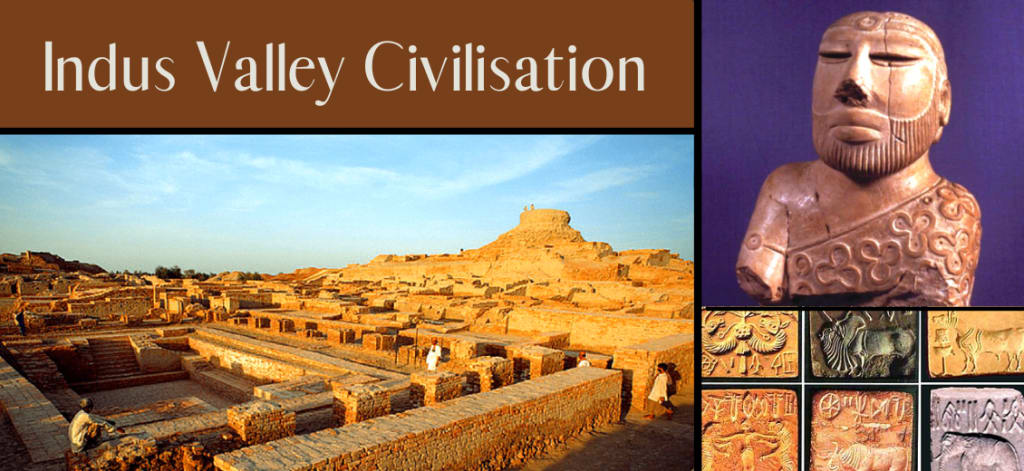
Location and Extent of the Indus Valley Civilization
The Indus Valley Civilization was an ancient civilization that flourished in the northwestern region of the Indian subcontinent between 2500 and 1900 BCE. It is one of the oldest and most advanced civilizations in the world, and it has left a lasting impact on the history and culture of India.
The Indus Valley Civilization was located in what is now modern-day Pakistan and northwest India. It covered an area of around 1.3 million square miles, making it one of the largest ancient civilizations in the world. The civilization was centered around the Indus River and its tributaries, which provided a fertile and well-watered region for agriculture and trade. The Indus Valley Civilization was also connected to the ancient civilizations of Mesopotamia and the Persian Gulf through a network of trade routes, allowing it to exchange goods and ideas with other parts of the ancient world.
The Indus Valley Civilization is known for its advanced urban planning and infrastructure, with cities such as Mohenjo-daro and Harappa featuring well-organized streets, sewage systems, and advanced water management systems. The cities of the Indus Valley Civilization were also home to a number of impressive buildings, including palaces, temples, and public baths. The civilization was a highly developed society with a complex social structure and a system of writing, which has yet to be fully deciphered. The Indus Valley Civilization was a highly diverse society, with a number of different ethnic groups and languages, and it was influenced by a number of different cultures.
Overall, the Indus Valley Civilization was a vast and influential civilization that covered a large portion of the northwestern region of the Indian subcontinent and had a lasting impact on the history and culture of the region.
Urban Planning and Infrastructure
The Indus Valley Civilization was known for its advanced urban planning and infrastructure. Its cities, such as Mohenjo-daro and Harappa, were well-organized and planned, with straight streets, sewage systems, and advanced water management systems. These features are indicative of a highly organized and sophisticated society that placed a high value on cleanliness and efficient living.
The streets of Indus Valley Civilization cities were laid out in a grid pattern, with roads running east to west and north to south. This layout allowed for easy navigation and facilitated the movement of goods and people throughout the city. The streets were also well-paved and drained, with a network of covered drains and gutters to carry away waste water and sewage.
The cities of the Indus Valley Civilization were also home to a number of impressive buildings, including palaces, temples, and public baths. These buildings were constructed using advanced techniques, such as the use of burnt brick and the use of mortar to hold the bricks together. The palaces and temples were often decorated with intricate carvings and reliefs, and many were built on a grand scale, reflecting the wealth and power of the civilization.
Overall, the urban planning and infrastructure of the Indus Valley Civilization was a testament to the advanced and sophisticated nature of the civilization. It is a testament to the ingenuity and organizational skills of the ancient people who lived in the Indus Valley, and it has had a lasting impact on the history and culture of the region.
Society and Culture
The Indus Valley Civilization was a highly developed society with a complex social structure. It had a system of writing, which has yet to be fully deciphered, and evidence suggests that the civilization had a complex system of trade and commerce. The Indus Valley Civilization was a highly diverse society, with a number of different ethnic groups and languages. It is believed that the civilization was influenced by a number of different cultures, including the ancient Sumerians and the Persians.
The Indus Valley Civilization was a major center of religious and spiritual practice, with a number of gods and goddesses being worshipped by the ancient people. The civilization is known for its abundant use of seals and figurines, which may have been used for religious or ceremonial purposes. The Indus Valley Civilization is also known for its advanced architecture and engineering, with a number of impressive buildings such as palaces, temples, and public baths.
In terms of social structure, it is thought that the Indus Valley Civilization was a hierarchical society, with a small group of elites at the top and a larger number of common people at the bottom. However, the exact nature of the Indus Valley Civilization's social structure is not fully understood, as the civilization's system of writing has yet to be fully deciphered.
Overall, the Indus Valley Civilization was a highly advanced and sophisticated society with a rich and diverse culture. Its social structure, religion, art, and architecture all reflect the complexity and sophistication of the civilization. The Indus Valley Civilization was a melting pot of different cultures and influences, and its legacy can still be seen in modern-day India and Pakistan.
The Indus Valley Civilization is also known for its advanced technology and craftsmanship. It is known for its sophisticated metalworking and pottery, as well as its production of textiles and other goods. The civilization is also believed to have had a sophisticated system of weights and measures, indicating a highly developed system of trade and commerce.
Overall, the society and culture of the Indus Valley Civilization was highly advanced and diverse. Its rich cultural heritage and sophisticated technology and craftsmanship have had a lasting impact on the history and culture of the region.
Technology and Craftsmanship
The Indus Valley Civilization was a highly advanced society in terms of technology and craftsmanship. It is known for its sophisticated metalworking and pottery, as well as its production of textiles and other goods. The civilization is also believed to have had a sophisticated system of weights and measures, indicating a highly developed system of trade and commerce.
In terms of metalworking, the Indus Valley Civilization is known for its production of bronze, copper, and other metals. The civilization was able to cast metals using advanced techniques, and it is known for its production of a wide range of metal objects, including weapons, tools, and decorative items. The Indus Valley Civilization is also known for its production of high-quality pottery, with a number of different styles and techniques being used.
The Indus Valley Civilization was also a major center of textile production, with a number of different materials being used to make a wide range of textiles. The civilization is known for its production of cotton, wool, and silk, as well as for its use of dyeing and printing techniques to create colorful and intricate patterns on fabrics.
Overall, the technology and craftsmanship of the Indus Valley Civilization was highly advanced and sophisticated. Its metalworking, pottery, and textile production were all indicative of a highly developed society with a rich and diverse culture. The civilization's legacy can still be seen in modern-day India and Pakistan, where many of the same techniques and traditions are still used to produce high-quality goods.
Religion and Spirituality
The Indus Valley Civilization was a major center of religious and spiritual practice, with a number of gods and goddesses being worshipped by the ancient people. The civilization is known for its abundant use of seals and figurines, which may have been used for religious or ceremonial purposes. The Indus Valley Civilization is also known for its advanced architecture and engineering, with a number of impressive buildings such as palaces, temples, and public baths. These buildings may have been used for religious or ceremonial purposes, or they may have served as centers of learning and culture.
It is difficult to know exactly what religious beliefs and practices were held by the people of the Indus Valley Civilization, as the civilization's system of writing has yet to be fully deciphered. However, historians and archaeologists have been able to piece together some information about the religion and spirituality of the Indus Valley Civilization based on the artifacts and buildings that have been discovered.
One of the most famous artifacts of the Indus Valley Civilization is the so-called "Pashupati Seal," which shows a figure seated in a yogic pose with a number of animals around him. This figure is thought to be a depiction of a deity, and it is believed that the Indus Valley Civilization had a pantheon of gods and goddesses that were worshipped by the ancient people.
Overall, the religion and spirituality of the Indus Valley Civilization was an important aspect of the civilization's culture and society. Its rich spiritual traditions and practices have had a lasting impact on the history and culture of the region. While much about the religion and spirituality of the Indus Valley Civilization remains a mystery, the artifacts and buildings that have been discovered provide a glimpse into the rich and diverse spiritual practices of the ancient people.
In addition to the traditional gods and goddesses worshipped by the Indus Valley Civilization, the ancient people also placed a strong emphasis on spiritual practices such as yoga and meditation. The Indus Valley Civilization is known for its abundance of seals and figurines depicting figures in yogic poses, indicating that these practices were an important part of the civilization's spiritual traditions.
Overall, the religion and spirituality of the Indus Valley Civilization was a vital and influential aspect of the civilization's culture and society. Its rich spiritual traditions and practices have had a lasting impact on the history and culture of the region, and they continue to be an important part of the spiritual traditions of modern-day India and Pakistan.
Government and Administration
The Indus Valley Civilization is believed to have had a system of government and administration, but little is known about it. Some historians believe that the civilization was ruled by a small group of elites, while others believe that it was a more democratic society. The civilization is known for its use of seals and stamps, which may have been used for administrative or bureaucratic purposes.
It is difficult to know exactly what form of government and administration the Indus Valley Civilization had, as the civilization's system of writing has yet to be fully deciphered. However, historians and archaeologists have been able to piece together some information about the government and administration of the Indus Valley Civilization based on the artifacts and buildings that have been discovered.
One of the most famous artifacts of the Indus Valley Civilization is the so-called "Mohenjo-daro Seal," which shows a figure seated in a throne-like chair with a number of animals around him. This figure is thought to be a depiction of a ruler or leader, and it is believed that the Indus Valley Civilization had a system of government and administration with leaders at the top.
Overall, the government and administration of the Indus Valley Civilization is a mysterious and poorly understood aspect of the civilization's culture and society. While much about the Indus Valley Civilization's government and administration remains a mystery, the artifacts and buildings that have been discovered provide a glimpse into the complex and sophisticated nature of the ancient society.
Decline and Legacy
The Indus Valley Civilization is thought to have declined around 1900 BCE, possibly due to a combination of environmental and social factors such as floods, earthquakes, and changes in trade patterns. Despite its decline, the Indus Valley Civilization has had a lasting impact on the history and culture of India. Its cities and artifacts have been studied by historians and archaeologists for centuries, and its legacy can still be seen in modern-day India.
The Indus Valley Civilization is known for its advanced urban planning and infrastructure, with cities such as Mohenjo-daro and Harappa featuring well-organized streets, sewage systems, and advanced water management systems. These features are indicative of a highly organized and sophisticated society that placed a high value on cleanliness and efficient living. The Indus Valley Civilization's legacy can still be seen in modern-day India, where many of the same principles of urban planning and infrastructure are still in use.
The Indus Valley Civilization is also known for its advanced technology and craftsmanship, with a number of impressive metalworking, pottery, and textile production techniques being used by the ancient people. These techniques and traditions are still in use in modern-day India and Pakistan, and they continue to be an important part of the region's cultural heritage.
Overall, the Indus Valley Civilization had a lasting impact on the history and culture of India. Its advanced urban planning and infrastructure, sophisticated technology and craftsmanship, and rich cultural heritage continue to be a source of fascination and inspiration to historians and archaeologists to this day.
Conclusion
The Indus Valley Civilization was an ancient civilization that flourished in the northwestern region of the Indian subcontinent between 2500 and 1900 BCE. It was a highly advanced and sophisticated civilization, known for its advanced urban planning and infrastructure, sophisticated technology and craftsmanship, and rich cultural heritage. Despite its decline around 1900 BCE, the Indus Valley Civilization has had a lasting impact on the history and culture of India, and its legacy can still be seen in modern-day India and Pakistan.




Comments
There are no comments for this story
Be the first to respond and start the conversation.