
Europe’s Massive Blackout: 7 Shocking Reasons Behind Spain and Portugal’s Power Crisis
How a Perfect Storm of Weather, Technology, and Human Error Plunged Millions into Darkness

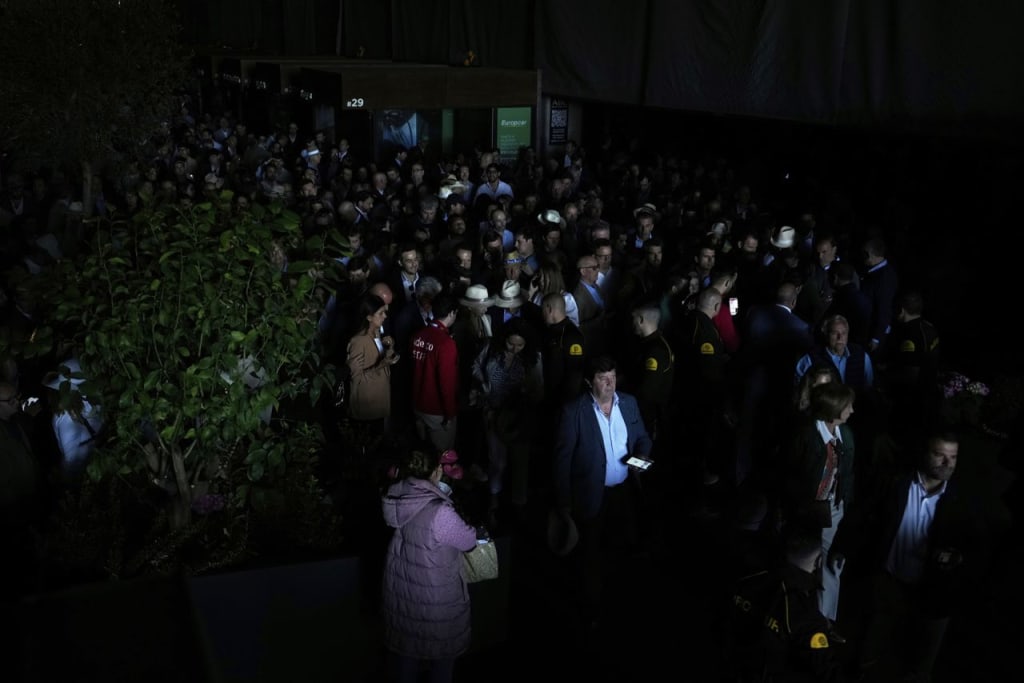
On April 28, 2025, millions across Spain and Portugal woke up to an unsettling reality: no lights, no internet, no transportation. The two neighboring countries were thrown into darkness in one of the largest blackouts modern Europe has ever witnessed. Hospitals switched to emergency generators, airports faced major delays, and daily life ground to a halt in just a few minutes. But how could something like this happen in two of the most developed countries in Europe?
As investigations unfolded, a mix of surprising and alarming causes came to light. Let’s break them down — and trust me, by the end of this, you’ll realize how fragile our "modern life" really is.
1. Strong Oscillations in the Power Grid
One of the first culprits was a strong electrical oscillation detected across the Iberian power network. Spain’s national grid operator, Red Eléctrica de España, reported that these violent fluctuations stressed the system to its breaking point. Imagine the power grid like a tightrope walker — it needs balance to function. Too much swing to one side, and it’s a catastrophic fall. That’s what happened here: the grid simply couldn’t handle the instability and collapsed, triggering massive disconnections.
2. A Rare and Violent Weather Event
In Portugal, officials pointed to a rare meteorological event that sparked chaos in the electrical system. Although the exact phenomenon hasn’t been confirmed yet, experts suggest a sudden atmospheric disturbance caused voltage spikes. Weather, usually a background player, suddenly took center stage — like a moody actor ruining an entire show. This unexpected "weather tantrum" pushed the already stressed network into deeper trouble.
3. A Dangerous Supply-Demand Imbalance
Energy systems thrive on perfect balance: production must match consumption almost second by second.
On April 28, that harmony shattered. Investigators believe the blackout involved a sudden supply-demand mismatch — something known in the industry as a "zero energy moment." When power production can’t meet demand, the grid shuts down sections automatically to protect itself from total destruction. It’s like a ship springing a leak; sometimes, you have to seal off whole rooms just to keep it afloat.
4. Fire in France: A Hidden Domino Effect
Adding more fuel to the fire — quite literally — there was a reported fire in southwest France at the same time. This fire likely damaged or disrupted critical high-voltage transmission lines that link Spain and Portugal to the broader European grid. When these cross-border power highways went down, it isolated the Iberian Peninsula. No backup from Europe meant that local systems bore the full weight of the problems alone — and collapsed spectacularly.
Lesson here?
Even problems hundreds of kilometers away can spiral into national disasters.
5. Overreliance on Renewable Energy
Spain and Portugal are proud leaders in renewable energy.
Solar panels gleam on rooftops, and wind turbines spin along the coastline. But renewables have a flaw: they’re unpredictable. Clouds hide the sun. Wind dies down unexpectedly. Without enough traditional energy sources (like gas plants) on standby, the grid struggles to respond to sudden changes. During the blackout, the instability of renewable supplies may have acted like a "silent assassin" — a weakness exposed at the worst possible time.
6. The Shadow of a Possible Cyberattack
Now, let’s add a little thriller plot twist:
Authorities have opened an investigation into whether a cyberattack was involved. While no concrete evidence has surfaced yet, the very fact that governments are entertaining this possibility is alarming. Energy infrastructure has always been a prime target for hackers — because when you flip the right switch, you don’t just turn off the lights; you turn off an entire nation’s heartbeat. If proven true, this would mark one of the most daring attacks on European infrastructure in recent memory.
7. Sudden Disconnection from Europe’s Grid
Finally, one of the most crucial factors:
Spain and Portugal’s grid became suddenly isolated from the rest of Europe. Normally, European countries share electricity seamlessly. If one country struggles, its neighbors step in. But on April 28, when the French lines failed and the oscillations grew wild, Iberia was cut off. Alone and overloaded, the local grids collapsed faster than anyone could react. It’s like being stuck in a sinking boat — and realizing the lifeboats are all gone.
A Fragile Reminder for the Future
The blackout of April 2025 was a wake-up call.
It showed just how interconnected — and vulnerable — modern societies have become.
A storm, a fire, a technical glitch, or a few bad decisions can knock out entire nations in minutes.
Spain and Portugal are now working hard to reinforce their energy systems.
More backup, better cybersecurity, smarter grids — the lessons are clear.
But here’s the big takeaway:
The more we rely on technology and renewable energy, the more we must prepare for the unexpected. Because when the lights go out, it’s not just about electricity — it’s about everything.
About the Creator
sondos azhari
Passionate about health and beauty products, I delve into wellness practices and skincare routines. With a focus on holistic living.My aim is to empower others to prioritize self-care and make informed choices for their well-being.
Keep reading
More stories from sondos azhari and writers in Humans and other communities.
A Story of Failure, Hope, and the Unexpected Reminder That Saved My Dream
Some stories are born from triumph. Mine? It was born from a disaster — one that almost broke me. I was days away from giving up on everything I had worked for when fate threw me an unexpected curveball.
By sondos azhari9 months ago in Humans
The Unexpected Guardian
A Fragmented Life in a Foreign Land The city was a blur of unfamiliar sights and sounds for the young Chinese student. He had arrived in Germany, like countless others, with dreams of education and a brighter future, yet found himself navigating the universal challenges of an international student: language barriers, cultural shocks, and the quiet ache of loneliness. His initial lodging was modest, a room in an old, somewhat dilapidated house owned by an elderly German man.
By Linda Yule3 days ago in Humans



Comments
There are no comments for this story
Be the first to respond and start the conversation.