
Equipment for Polo: From Mallets to Protective Gear
Polo is a dynamic and spectacular sport that requires not only high technical skills but also quality equipment. Polo gear is divided into two main categories: equipment for the player and equipment for the horse. Both aspects are crucial, as their quality directly affects comfort, safety, and performance on the field.
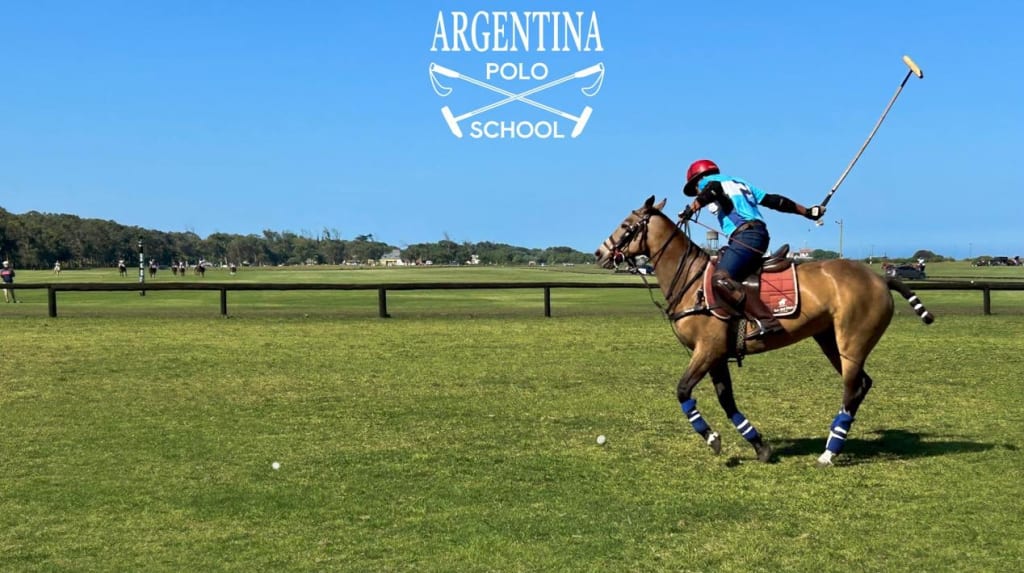
Player’s Equipment
A polo player’s gear is designed to provide maximum mobility, protection, and efficiency during the match. Since polo is a high-contact sport, involving rapid movements and occasional collisions, safety gear is just as crucial as the tools used to play.
1. Mallet
The mallet is the most recognizable piece of polo equipment and the primary tool used by players to strike the ball. It consists of a bamboo or cane shaft with a wooden head, which is slightly angled to facilitate controlled hits. Mallets range from 48 to 54 inches in length, with the appropriate size depending on the height of the horse and the playing style of the rider. The flexibility of the shaft helps absorb impact, allowing for greater precision and power in shots.
2. Helmet
A sturdy helmet is an essential piece of safety gear in polo. A standard polo helmet is reinforced with impact-resistant materials and features a secure chin strap to keep it in place during fast-paced action. Many modern helmets come with a built-in faceguard or visor to protect players from accidental hits by the ball or an opponent’s mallet. Since the game often involves high-speed interactions, wearing a certified helmet is a strict requirement in official tournaments.
3. Goggles and Face Protection
Some players opt for additional facial protection, such as plastic goggles or a metal face mask. This extra layer of defense helps shield the eyes from dust, debris, and unexpected impacts, ensuring better visibility and safety during play.
4. Gloves
High-quality gloves are worn to improve grip on the mallet, enhance control, and protect against blisters and friction burns. Polo gloves are usually made of leather or synthetic materials with reinforced padding in key areas to provide comfort and durability.
5. Polo Shirt and Uniform
Players traditionally wear collared polo shirts, often featuring team logos and player numbers. The fabric is lightweight and breathable to prevent overheating in warm conditions. White riding pants are the standard attire, offering flexibility and a professional appearance.
6. Boots and Knee Guards
Polo boots are typically made of high-quality leather and rise just below the knee to provide leg protection. Since players often make close-contact maneuvers, knee guards or knee pads are worn to absorb impact and prevent injuries. These guards are usually made from leather or plastic and securely strapped over the pants.
Horse’s Equipment
A polo pony’s performance is highly dependent on its equipment. Proper tack ensures that the horse remains comfortable, responsive, and well-protected throughout the match.
1. Polo Saddle
Unlike standard equestrian saddles, polo saddles are designed with a flatter shape to allow more movement for the rider. They are lighter than traditional saddles, reducing strain on the horse while providing stability during sudden stops, turns, and gallops.
2. Stirrups and Girth
Strong, well-secured stirrups allow players to maintain balance while swinging the mallet. A sturdy girth is essential to keep the saddle firmly in place, preventing any shifting during fast-paced movements.
3. Bridle and Bit
A polo bridle is specifically designed to provide precise control over the horse. It includes a bit that allows the player to make quick directional changes with minimal effort. The tack must be properly fitted to ensure the horse responds effectively to the rider’s commands without discomfort.
4. Leg Wraps and Bandages
Polo horses are at risk of leg injuries due to rapid direction changes and potential contact with the ball or mallets. To prevent injuries, players wrap their horses' legs with elastic bandages or use specially designed protective boots. These wraps provide support and reduce the risk of bruising or cuts.
5. Tail Wrap
In polo, the horse’s tail is often braided and wrapped with a bandage to prevent it from getting tangled in the mallet or interfering with play.
Conclusion
Polo is a sport where precision, speed, and strategy all come together in a thrilling competition. However, the right equipment is just as important as skill in ensuring success on the field. High-quality mallets, protective gear, and well-fitted saddles help both players and horses perform at their best while minimizing the risk of injury.
Institutions like Argentina Polo School not only teach players how to play but also educate them on the significance of using top-tier equipment. By understanding and investing in the right gear, polo players can enhance their game and fully enjoy the sport while ensuring the safety of both themselves and their horses.
About the Creator
Keep reading
More stories from writers in Humans and other communities.
The CEO of Everything
They say "jack of all trades, master of none," but they forgot to mention the part where the jack of all trades is also the camera woman, the makeup artist, and the person currently yelling at a tangled Wii microphone cable in a her own bathroom while recording herself singing and trying to make it look realistic and professional. (As professional as you can make it with nothing but a cell phone camera and a mic that doesn't work)
By Sara Wilson7 days ago in Humans
I Was Thrown Out of an Airbnb House
I had never felt more unwelcome in my life than I did that night. The Airbnb host had been polite enough when I arrived, but something shifted the moment I unpacked my bag. I didn’t notice at first—just a quiet tension, a tight smile, a glance that lingered too long. By the time I had put my toothbrush in the tiny bathroom cup, it was obvious: I wasn’t staying.
By John Smith2 days ago in Humans


Comments
There are no comments for this story
Be the first to respond and start the conversation.