
Emotion Is Not a Flaw of the Human Experience: It Is One of Its Greatest Gifts

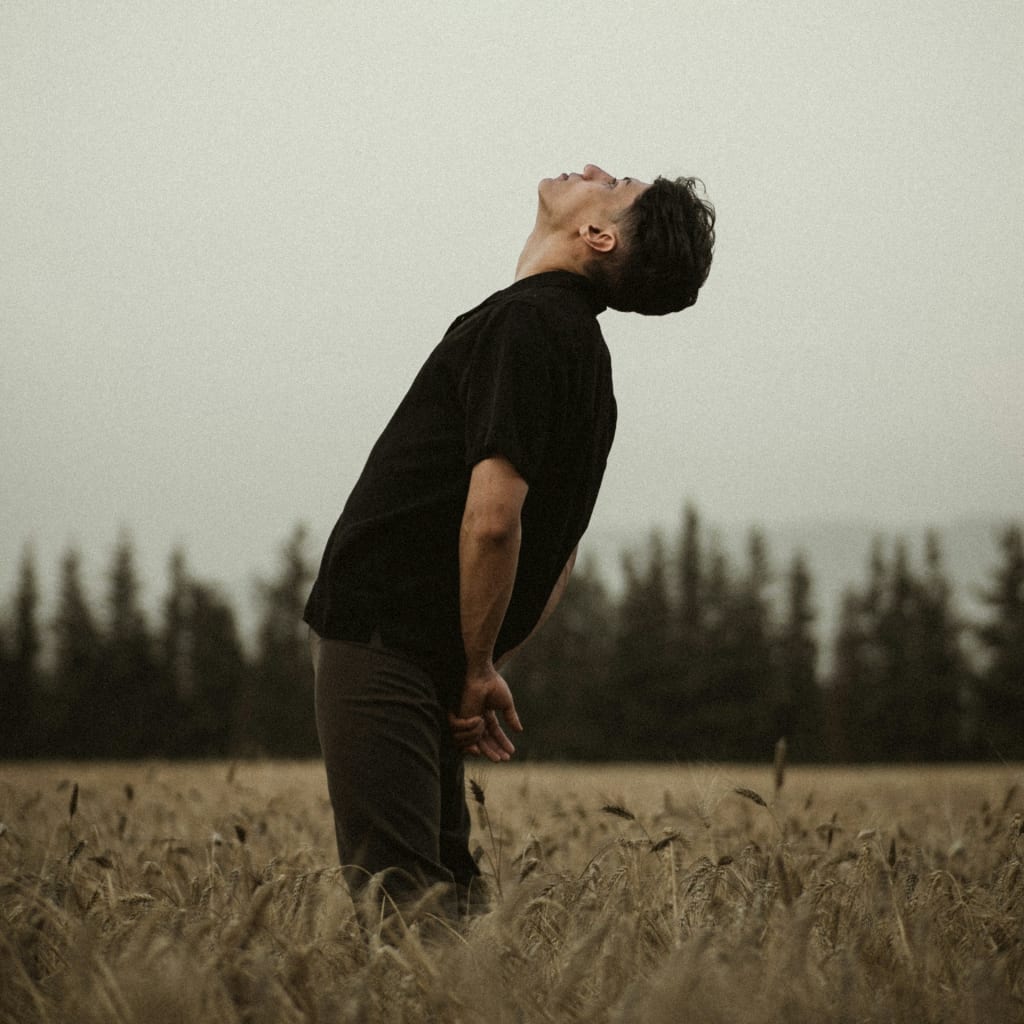
Emotion Is Not a Flaw of the Human Experience: It Is One of Its Greatest Gifts
For centuries, human beings have wrestled with their own emotional lives. We have tried to master them, suppress them, transcend them, or explain them away. Entire philosophies have been built on the suspicion that emotion is a weakness, a distortion, or a threat to reason. Yet the deeper we look—into psychology, spirituality, neuroscience, and the lived experience of the soul—the clearer it becomes that emotion is not a flaw of the human experience. It is one of its greatest gifts. Emotion is the language of the heart, the compass of the soul, the bridge between the seen and the unseen. It is the way the Divine moves through the human form. To feel deeply is not a sign of fragility but of aliveness. It is the evidence that we are connected, responsive, and capable of love.
To understand emotion as a gift, we must first dismantle the cultural suspicion that surrounds it. Western philosophy, particularly since the Enlightenment, has often elevated reason above feeling. René Descartes famously declared, “I think, therefore I am,” establishing thought as the foundation of existence. But long before Descartes, the Stoics taught that emotion was a disturbance to be mastered, a threat to inner peace. Even in modern culture, emotional expression is often framed as immaturity, instability, or lack of control. People are praised for being “rational,” “objective,” or “unemotional,” as though these qualities alone reflect strength.
Yet this suspicion of emotion is not universal. Many spiritual traditions view emotion not as a flaw but as a doorway. In the Psalms, David cries out with raw honesty—grief, rage, joy, longing—and these expressions are not condemned but sanctified. “The Lord is near to the brokenhearted,” Psalm 34:18 declares, affirming that emotional vulnerability is a place of divine encounter. In Buddhism, emotions are not rejected but observed with compassion, understood as waves that arise and pass. In Sufism, emotion is the fire that burns away illusion. Rumi wrote, “The wound is the place where the light enters you,” suggesting that emotional pain is not a defect but a portal to transformation. In Hinduism, the bhakti tradition elevates emotion—devotion, longing, love—as the highest path to God. And in Christianity, Jesus weeps at the tomb of Lazarus, showing that divine embodiment includes emotional depth.
Emotion, then, is not a deviation from the spiritual path but an essential part of it. It is the way the soul communicates with the conscious mind. It is the way the heart signals what is true, what is wounded, what is needed, and what is possible. Emotion is the inner teacher that reveals where healing is required and where love is calling.
Psychology affirms this truth. Carl Jung wrote, “There can be no transforming of darkness into light and of apathy into movement without emotion.” Emotion is the catalyst for change. It is the force that moves us from stagnation to growth. Neuroscience supports this as well. Antonio Damasio, a leading neuroscientist, demonstrated that people who lose access to emotion due to brain injury also lose the ability to make decisions. Emotion is not the opposite of reason; it is the foundation of it. Without emotion, we cannot prioritize, value, or choose. Emotion gives meaning to experience. It tells us what matters.
To call emotion a gift is to recognize that it is a form of intelligence. Emotional intelligence is not simply the ability to manage feelings but the ability to understand them, listen to them, and allow them to guide us toward truth. Emotions arise for a reason. They are signals, not problems. Fear alerts us to danger or boundary violations. Anger reveals injustice or unmet needs. Sadness honors loss and invites healing. Joy expands the heart and strengthens connection. Love binds us to one another and to the Divine. Even shame and guilt, when understood correctly, point toward misalignment and the desire for integrity.
The problem is not emotion itself but the ways we have been taught to fear, suppress, or misinterpret it. Many people grow up in environments where emotional expression is discouraged or punished. They learn to hide their feelings, to numb them, or to channel them into destructive patterns. But emotion does not disappear simply because it is suppressed. It goes underground, shaping behavior in unconscious ways. Jung warned, “What you resist not only persists, but grows in size.” When emotion is denied, it becomes shadow. When it is acknowledged, it becomes wisdom.
Spiritual traditions understand this. The Desert Fathers and Mothers of early Christianity taught that emotions—what they called “passions”—were not enemies but invitations to deeper self‑knowledge. They believed that emotions revealed the inner landscape of the soul, exposing attachments, fears, and desires that needed purification. The goal was not to eliminate emotion but to refine it, to allow it to become a channel for divine love rather than egoic reactivity.
In Buddhism, emotions are understood as impermanent phenomena that arise from causes and conditions. They are not to be clung to or rejected but observed with mindful awareness. This awareness transforms emotion from a source of suffering into a source of insight. Thich Nhat Hanh wrote, “Feelings come and go like clouds in a windy sky. Conscious breathing is my anchor.” Emotion becomes a teacher when we meet it with presence rather than resistance.
In Sufism, emotion is the fire of longing that draws the soul toward union with the Beloved. The Sufi poet Hafiz wrote, “Don’t surrender your loneliness so quickly. Let it cut more deep.” This is not an invitation to wallow in pain but to recognize that emotion is a form of divine communication. Longing reveals the soul’s desire for connection. Grief reveals the depth of love. Joy reveals the presence of grace.
Emotion is also a bridge between the human and the divine. In the Christian tradition, Jesus’s emotional life is not hidden but highlighted. He weeps, he feels compassion, he experiences anger, he expresses anguish. These emotions are not signs of weakness but signs of incarnation. They show that the Divine does not stand apart from human experience but enters into it fully. The shortest verse in the Bible—“Jesus wept” (John 11:35)—is also one of the most profound. It reveals that emotion is not something to be transcended but something to be honored.
To embrace emotion as a gift is to embrace our humanity. It is to recognize that feeling deeply is part of what makes us human. It is also part of what makes us divine. Emotion is the meeting place of the two. It is the place where the soul speaks through the body. It is the place where the heart reveals its truth.
Emotion is also a guide. It points us toward what needs attention, healing, or change. When we feel anger, it may be a sign that a boundary has been crossed. When we feel sadness, it may be a sign that something needs to be grieved. When we feel fear, it may be a sign that something needs to be protected or understood. When we feel joy, it may be a sign that we are aligned with our purpose. Emotion is the compass of the soul.
But emotion is not only a guide; it is also a healer. When emotion is allowed to move through the body, it releases energy that has been trapped. It frees the heart from constriction. It opens space for new possibilities. Emotion is the body’s way of processing experience. When we allow ourselves to feel, we allow ourselves to heal.
This is why emotional suppression is so harmful. When emotion is suppressed, it becomes stored in the body. It becomes tension, illness, or chronic stress. The body keeps the score, as trauma researcher Bessel van der Kolk famously wrote. Emotion that is not expressed becomes embodied. Emotion that is expressed becomes transformed.
To honor emotion is to honor the body. It is to recognize that the body is not an obstacle to spiritual growth but a partner in it. The body feels what the mind cannot articulate. It remembers what the soul has experienced. It carries wisdom that cannot be accessed through thought alone. Emotion is the body’s language. When we listen to it, we listen to ourselves.
Emotion is also relational. It connects us to others. It allows us to empathize, to understand, to care. Without emotion, there is no compassion. Without emotion, there is no intimacy. Without emotion, there is no love. The Dalai Lama has said, “Love and compassion are necessities, not luxuries. Without them, humanity cannot survive.” Emotion is the foundation of compassion. It is the foundation of connection. It is the foundation of community.
To embrace emotion is to embrace vulnerability. Vulnerability is not weakness; it is courage. It is the willingness to be seen, to be known, to be touched by life. Brené Brown writes, “Vulnerability is the birthplace of love, belonging, joy, courage, empathy, and creativity.” Emotion is the doorway to vulnerability. Vulnerability is the doorway to connection. Connection is the doorway to love.
Emotion is also a spiritual teacher. It reveals where we are attached, where we are afraid, where we are resisting truth. It reveals where we need to grow. It reveals where we need to surrender. Emotion is the mirror that shows us our inner landscape. When we look into that mirror with honesty and compassion, we see not only our wounds but our potential.
Emotion is not a flaw because it is part of the design. It is part of the way the Divine communicates with the human. It is part of the way the soul evolves. It is part of the way we learn, grow, and awaken. Emotion is the raw material of transformation. It is the fire that burns away illusion. It is the water that softens the heart. It is the wind that clears the mind. It is the earth that grounds the soul.
To say that emotion is a gift is to say that feeling is sacred. It is to say that the heart is wise. It is to say that the soul speaks through sensation. It is to say that the Divine is present in our tears, our laughter, our longing, our joy. It is to say that emotion is not something to be feared but something to be honored.
Emotion is also a reminder of our interconnectedness. When we feel deeply, we recognize that we are part of something larger than ourselves. We recognize that our joy is connected to the joy of others, our grief to the grief of others, our longing to the longing of others. Emotion dissolves the illusion of separateness. It reveals the unity beneath the surface.
Emotion is also a reminder of our aliveness. To feel is to be alive. To feel is to be awake. To feel is to be present. Emotion anchors us in the moment. It brings us into contact with reality. It reminds us that life is not something to be observed from a distance but something to be experienced fully.
Emotion is not a flaw because it is the essence of what it means to be human. It is the evidence that we are capable of love, compassion, courage, and connection. It is the evidence that we are capable of transformation. It is the evidence that we are capable of awakening.
In the end, emotion is one of the greatest gifts of the human experience because it is the doorway to the Divine. It is the way the soul speaks. It is the way the heart knows. It is the way the body remembers. It is the way we connect, heal, and grow. Emotion is not something to be transcended but something to be embraced. It is not something to be controlled but something to be understood. It is not something to be feared but something to be honored.
Emotion is the sacred pulse of the human journey. It is the rhythm of the soul. It is the language of love. And when we learn to listen to it, we discover that it is not a flaw at all. It is the very thing that makes us whole.
About the Creator
Julie O'Hara - Author, Poet and Spiritual Warrior
Thank you for reading my work. Feel free to contact me with your thoughts or if you want to chat. [email protected]
Keep reading
More stories from Julie O'Hara - Author, Poet and Spiritual Warrior and writers in Humans and other communities.
I Know God’s Plans Are Better Than Mine
There is a moment in every sincere spiritual life when the heart finally whispers what the mind has resisted for years: I know God’s plans are better than mine. It is not a statement of defeat, nor a gesture of passivity, nor a relinquishing of responsibility. It is the quiet recognition that the human view is partial, limited, and shaped by fear and desire, while the Divine view is whole, timeless, and rooted in love. This recognition does not arrive all at once. It unfolds slowly, through experience, through loss, through unexpected blessings, through the unraveling of our own illusions, and through the gradual awakening of trust. It is a truth learned not by theory but by living. And once it settles into the soul, it becomes the foundation of a different way of being—one marked by surrender, humility, and a deeper peace than the ego could ever manufacture.
By Julie O'Hara - Author, Poet and Spiritual Warriorabout 12 hours ago in Humans
Whiskey At Dusk
Guess the whiskey was more important to you in the end, wasn’t it? It was more than the well-being of your friends; more vital than showing up to the places you promised you would and could come to; more critical of a matter than fulfilling your damn responsibilities and getting the press off your back.
By Snarky Lisa7 days ago in Humans
A Frozen Tragedy: Three Brothers Die After Falling Into a Texas Pond
A quiet winter day in Texas turned into an unimaginable tragedy when three brothers lost their lives after falling into a frozen pond. What began as a seemingly harmless moment near the water ended in devastating loss, leaving a family shattered and a community in mourning. The incident has reignited conversations about winter safety, the deceptive nature of frozen water, and how quickly ordinary situations can turn fatal.
By Ayesha Lashari4 days ago in Humans
Killing him slowly
There’s an intruder in my house again. He stumbles through the door, wet carrier bags in hand. He’s bought me offerings. I show my appreciation, letting him caress my beautiful body. He wants to touch me. I rub myself against his legs. He sighs, dropping the bags. He can’t resist touching me. Running his hand slowly down my spine, I arch my back towards his caress, let out a low purr. It’s what we both need.
By N J Delmas4 days ago in Horror




Comments
There are no comments for this story
Be the first to respond and start the conversation.