
Emerging Trends in Sustainable Engineering: Creating a Greener Future
Sustainable Engineering


Emerging Trends in Sustainable Engineering: Creating a Greener Future
In recent decades, the global community has become increasingly aware of the urgent need to address environmental challenges such as global warming, pollution, and resource depletion. In response, there has been a growing focus on sustainable engineering, which aims to develop innovative technologies and practices that minimize negative impacts on the environment while promoting economic growth and social well-being.
Sustainable engineering encompasses a wide range of disciplines, including energy, water, transportation, and construction. It involves designing, building, and operating systems, products, and processes that are environmentally friendly, socially responsible, and economically viable. As the world faces ever-increasing environmental concerns, several emerging trends are shaping the future of sustainable engineering. These trends have the potential to revolutionize industries and pave the way for a greener and more sustainable future.
1. Renewable Energy Technologies: One of the most impactful areas of sustainable engineering is renewable energy. As the world strives to reduce its reliance on fossil fuels, there has been a significant increase in the development and adoption of renewable energy technologies such as solar, wind, and hydropower. Advancements in these technologies have made them more efficient, cost-effective, and accessible to a wider range of communities. Furthermore, innovations in energy storage systems, such as batteries and hydrogen fuel cells, are enabling the integration of renewable energy into existing power grids, reducing reliance on traditional energy sources and decreasing greenhouse gas emissions.

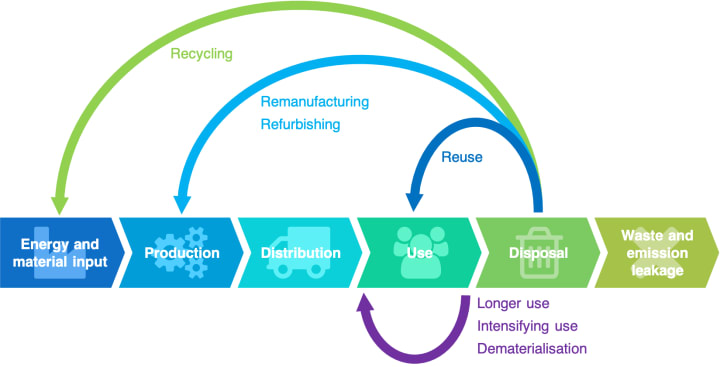
2. Circular Economy: The concept of a circular economy emphasizes the importance of minimizing waste and resource consumption by maximizing the efficiency of resource utilization and promoting recycling and reuse. In the context of sustainable engineering, this approach involves designing products and processes that minimize waste generation and ensure that materials are cycled back into the production process. By adopting a circular economy mindset, engineers can contribute to reducing environmental pollution and achieving a more sustainable use of resources.
3. Sustainable Infrastructure: The construction and operation of buildings and infrastructure have a significant impact on energy consumption, resource depletion, and carbon emissions. Sustainable engineering practices in infrastructure development focus on integrating energy-efficient technologies, reducing water usage, optimizing waste management, and incorporating sustainable materials into construction projects. Green building certifications, such as LEED (Leadership in Energy and Environmental Design), encourage the adoption of sustainable practices in the construction industry. Additionally, the emerging trend of "smart" infrastructure utilizes advanced technologies, such as sensors and data analytics, to optimize energy usage, improve performance, and enhance overall sustainability.

4. Eco-friendly Transportation: The transportation sector is a major contributor to carbon emissions and air pollution. Sustainable engineering is driving the development of eco-friendly transportation alternatives such as electric vehicles (EVs), hydrogen-powered vehicles, and improved public transportation systems. EVs, in particular, have seen significant advancements in technology, resulting in longer battery life, faster charging times, and increased driving range. The integration of renewable energy sources into transportation infrastructure, such as solar-powered charging stations, further enhances the sustainability of electric mobility.

5. Green Manufacturing and Materials: Sustainable engineering extends beyond the product's end-use phase to encompass the entire lifecycle of a product, including its manufacturing process and choice of materials. Green manufacturing focuses on reducing raw material consumption, minimizing waste generation, and improving overall efficiency. Sustainable materials, such as bio-based polymers, recycled plastics, and sustainable textiles, are gaining popularity as alternatives to traditional materials in various industries. The development of eco-friendly manufacturing processes and the adoption of sustainable materials promote resource conservation and contribute to a more sustainable production system.
These emerging trends in sustainable engineering hold immense potential for addressing environmental challenges and creating a greener future. However, their successful implementation requires collaboration between governments, industries, and academia. Governments must provide supportive policies and incentives to encourage the adoption of sustainable engineering practices and technologies. Industries have a role to play by investing in research and development, adopting sustainable manufacturing practices, and making sustainability a core value. Finally, academic institutions have a responsibility to equip future engineers with the knowledge and skills necessary to navigate the challenges of sustainability in their respective fields.
In conclusion, sustainable engineering is a critical component of creating a greener future. The emerging trends in renewable energy technologies, circular economy, sustainable infrastructure, eco-friendly transportation, and green manufacturing and materials are paving the way for a more sustainable and environmentally-friendly society. By embracing these trends and working collaboratively, engineers have the opportunity to make significant contributions to mitigating climate change, preserving natural resources, and creating a better world for future generations.
About the Creator
Richard Abolarinwa
As an Electrical engineer, I am passionate about finding creative solutions to complex problems. my interests extend beyond just electrical systems. I'm also a passionate writer with a love for health, technology, science, and engineering.
Keep reading
More stories from Richard Abolarinwa and writers in Humans and other communities.
Scientists develop a novel therapy for cannabis addiction
Cannabis, commonly known as marijuana, is one of the most commonly used drugs worldwide. The drug is known for its high levels of THC (tetrahydrocannabinol), which give users a feeling of euphoria, relaxation, and altered senses. Despite the drug's medical benefits, long-term use can lead to addiction, which poses a significant health risk to individuals.
By Richard Abolarinwa3 years ago in Humans




Comments (8)
i appreciate the sustainable solutions discussed in this article
The visuals and graphics used in the article enhanced the overall reading experience
i found the article to be informative, educational, and thought- provoking
i appreciate the alternative solutions proposed in this article
sustainable engineering?
beautiful pictures
I love this article
Nice work