
Embracing Wellness: A Holistic Approach to Health and Happiness
Wellness

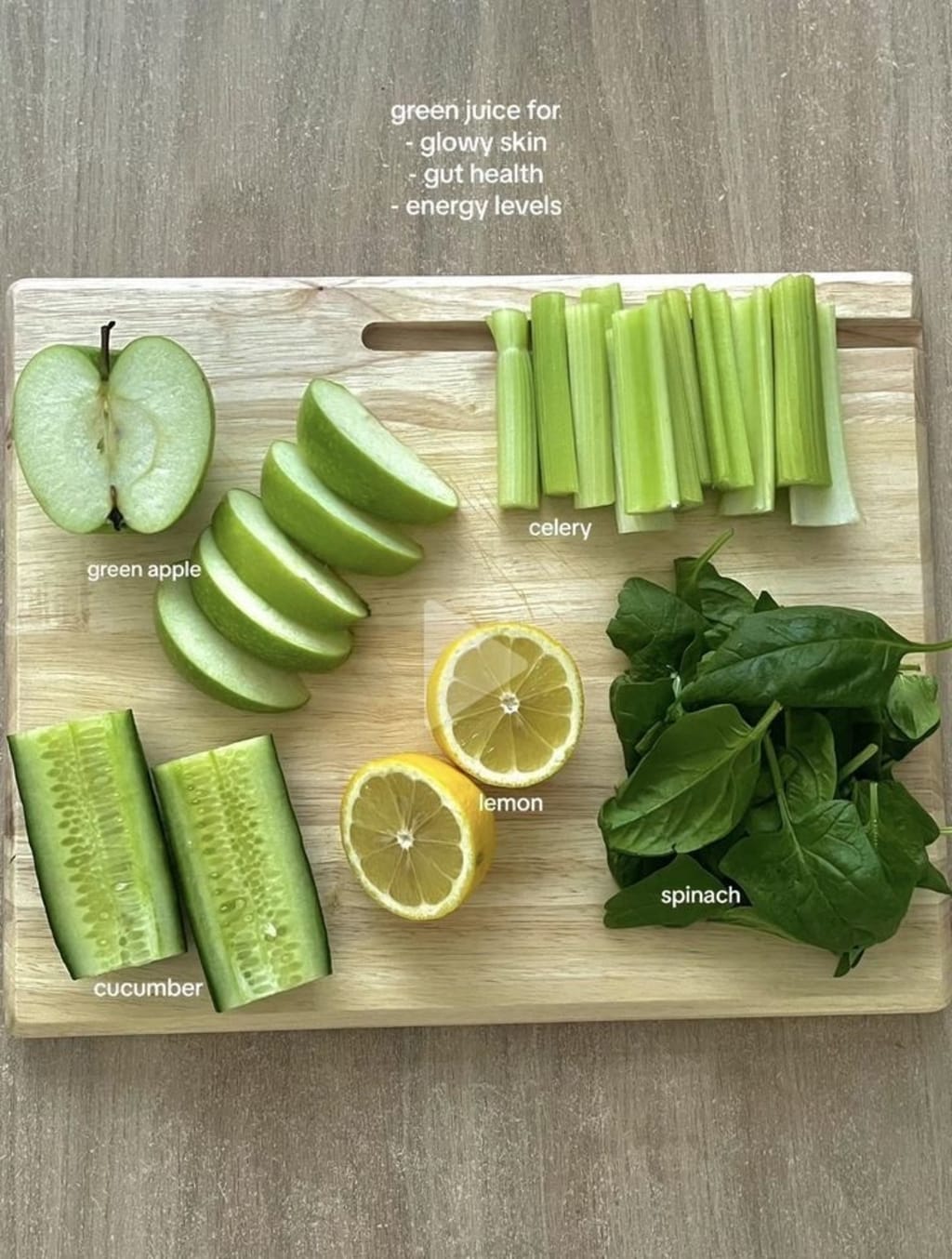
In today’s fast-paced world, wellness has become more than just a trend—it’s a lifestyle. While health and fitness have long been associated with physical well-being, the concept of wellness is broader, encompassing mental, emotional, social, and spiritual health. True wellness involves a balanced approach to life that nurtures every aspect of our well-being. This article explores the multifaceted nature of wellness, offering practical tips for living a more balanced and fulfilling life.
What is Wellness?
Wellness is an active process of making choices that lead to a healthier, more fulfilling life. It’s not just about the absence of illness, but about creating a lifestyle that promotes overall well-being. According to the World Health Organization (WHO), wellness is a state of complete physical, mental, and social well-being, and not merely the absence of disease or infirmity.
The concept of wellness goes beyond physical health to include:
• Physical Wellness: Caring for your body through exercise, nutrition, and rest.
• Mental Wellness: Cultivating a positive mindset, managing stress, and engaging in activities that stimulate cognitive function.
• Emotional Wellness: Understanding, expressing, and managing emotions in a healthy and constructive way.
• Social Wellness: Building and maintaining meaningful relationships, fostering a sense of community, and having a supportive social network.
• Spiritual Wellness: Connecting with a sense of purpose, whether through religion, meditation, or personal values.
• Environmental Wellness: Creating a living space that supports your well-being and being mindful of the world around you.
Together, these elements form the foundation of holistic wellness, a balanced approach to life that emphasizes the interconnectedness of the mind, body, and spirit.
Key Pillars of Wellness
1. Physical Wellness: Nourishing Your Body
Physical wellness is often the most obvious component of wellness, but it is much more than just exercising and eating well. A holistic approach to physical health includes:
• Regular Exercise: Aim for a balance of cardiovascular activities (like running or swimming), strength training, and flexibility exercises (such as yoga or pilates). Physical activity not only improves fitness but boosts mood and reduces stress by releasing endorphins, the body’s natural mood enhancers.
• Balanced Nutrition: Eating a variety of nutrient-dense foods, including fruits, vegetables, lean proteins, and whole grains, supports optimal health. A balanced diet fuels your body, boosts energy levels, and helps prevent chronic diseases.
• Rest and Recovery: Adequate sleep is vital for overall wellness. Aim for 7-9 hours of sleep per night to allow your body to recover, repair, and restore energy. Don’t overlook the importance of rest days in your fitness routine, as they help prevent burnout and injury.
• Hydration: Drinking enough water is essential for maintaining energy, digestion, skin health, and overall bodily function. Aim for at least eight 8-ounce glasses of water per day, though your needs may vary depending on activity levels and climate.
2. Mental Wellness: Fostering a Positive Mindset
Mental wellness involves taking care of your emotional and cognitive health. Here’s how you can cultivate a positive and resilient mind:
• Mindfulness and Meditation: Practices like mindfulness and meditation help reduce stress, improve focus, and enhance emotional regulation. Even just a few minutes a day can have profound effects on mental clarity and well-being.
• Stress Management: Chronic stress can negatively impact mental and physical health. Incorporating stress-reducing activities like deep breathing exercises, journaling, or simply taking time to relax can help maintain mental wellness.
• Cognitive Engagement: Keep your mind sharp by engaging in activities that challenge your brain. Reading, solving puzzles, learning new skills, or even taking up a hobby can keep your cognitive function in top shape.
• Mental Health Awareness: It’s essential to recognize the importance of mental health. Talking to a therapist, seeking professional help, or joining support groups can be life-changing when dealing with issues like anxiety, depression, or burnout.
3. Emotional Wellness: Understanding and Managing Emotions
Emotional wellness is about understanding your emotions, expressing them healthily, and handling life’s ups and downs in a balanced way.
• Self-Awareness: Reflect on your emotions and what triggers them. Self-awareness allows you to better navigate challenges and make more informed decisions about how to respond.
• Emotional Expression: Bottling up emotions can lead to stress and burnout. Find healthy outlets for expressing your feelings, whether through creative pursuits, talking to a friend, or practicing mindfulness techniques.
• Boundaries and Self-Care: Protecting your emotional health involves setting healthy boundaries with others, learning to say no when necessary, and taking time for self-care without feeling guilty.
• Gratitude Practice: Regularly practicing gratitude can shift your focus away from negative emotions and enhance your overall emotional well-being. Consider keeping a gratitude journal and writing down three things you’re grateful for each day.
4. Social Wellness: Cultivating Meaningful Connections
Social wellness emphasizes the importance of building and maintaining strong, supportive relationships. These connections provide a sense of belonging, boost happiness, and support mental health.
• Quality Over Quantity: It’s not about how many friends or acquaintances you have, but the depth of your relationships. Focus on nurturing close friendships and family ties that are based on trust and mutual respect.
• Supportive Networks: Surround yourself with people who uplift and encourage you. A strong support system helps you navigate life’s challenges and celebrate its joys.
• Community Engagement: Participating in community activities, volunteering, or even joining social clubs can foster a sense of belonging and contribute to your social wellness.
5. Spiritual Wellness: Finding Purpose and Connection
Spiritual wellness is not necessarily about religion, though it can be for many people. It’s about connecting with your deeper sense of purpose, values, and the greater world around you.
• Self-Reflection: Take time for introspection and reflection on what truly matters to you. Understanding your values and living in alignment with them promotes inner peace and spiritual health.
• Meditation and Prayer: Whether through structured religious practices, meditation, or moments of quiet reflection, connecting with your inner self and the world around you can provide a sense of peace and purpose.
• Nature and the Outdoors: Spending time in nature can also promote spiritual wellness. The act of being present in nature, whether hiking, walking, or simply observing the beauty of the world around you, can foster a deep sense of connection and awe.
The Role of Environment in Wellness
Our surroundings play a crucial role in our overall wellness. A clean, organized space can reduce stress, improve focus, and contribute to a sense of calm. Consider the following tips to enhance the wellness of your environment:
• Declutter: A cluttered space can lead to feelings of anxiety and overwhelm. Regularly decluttering your living and work spaces can create a more peaceful, organized environment.
• Natural Elements: Bringing nature indoors, whether through houseplants, natural light, or outdoor-inspired décor, can improve mood and air quality, contributing to overall wellness.
• Air and Water Quality: Ensuring that the air you breathe is clean and the water you drink is pure can have significant impacts on your health. Consider air purifiers or water filters to improve your home’s environment.
Practical Tips for Incorporating Wellness Into Your Daily Life
1. Start Small: Incorporate small wellness practices into your daily routine, such as drinking more water, taking short walks, or practicing deep breathing exercises.
2. Prioritize Self-Care: Set aside time for yourself to relax and recharge. This can be as simple as taking a bath, reading a book, or engaging in a hobby.
3. Stay Consistent: Wellness is an ongoing practice. Focus on consistency rather than perfection. Regular small actions add up to significant improvements in well-being over time.
4. Balance and Flexibility: Wellness isn’t about rigid rules; it’s about balance and being adaptable. Be kind to yourself, and allow flexibility as you navigate your wellness journey.
Conclusion
Wellness is a holistic concept that encompasses every aspect of our lives—physical, mental, emotional, social, spiritual, and environmental. It’s about nurturing and balancing all these areas to create a more fulfilling, vibrant life. By adopting simple yet meaningful wellness practices, we can enhance our quality of life, reduce stress, and build resilience against life’s challenges. Wellness is a lifelong journey, and each small step taken toward greater well-being can make a world of difference.
About the Creator
Keep reading
More stories from Matilda Otu and writers in Humans and other communities.
Spoiling Your Girlfriend with Money: A Guide to Thoughtful and Meaningful Gestures
Spoiling your girlfriend with money is often seen as a way to show affection, appreciation, and love. While extravagant gifts and experiences can certainly make her feel special, the key to making such gestures truly meaningful is not just the amount spent but the thoughtfulness behind them. It’s about making her feel valued and showing that you care about her happiness and well-being. In this article, we’ll explore the best ways to spoil your girlfriend with money in a way that is thoughtful, considerate, and aligned with her needs and desires.
By Matilda Otuabout a year ago in Humans
The Voice in the Dark
In the history of big cities there are moments when everything turns into chaos and people don't know where to go in those moments only the people with real character and tarbiyat can lead others to safety this is the true story of Rick Rescorla who was born in a small town in England and later moved to America he was a man who had seen many wars and he knew that safety is not something you get by luck it is something you prepare for every single day
By Hazrat Umer7 days ago in Humans




Comments
There are no comments for this story
Be the first to respond and start the conversation.