
Embracing Cultural Globalization
Navigating Diversity in a Connected World

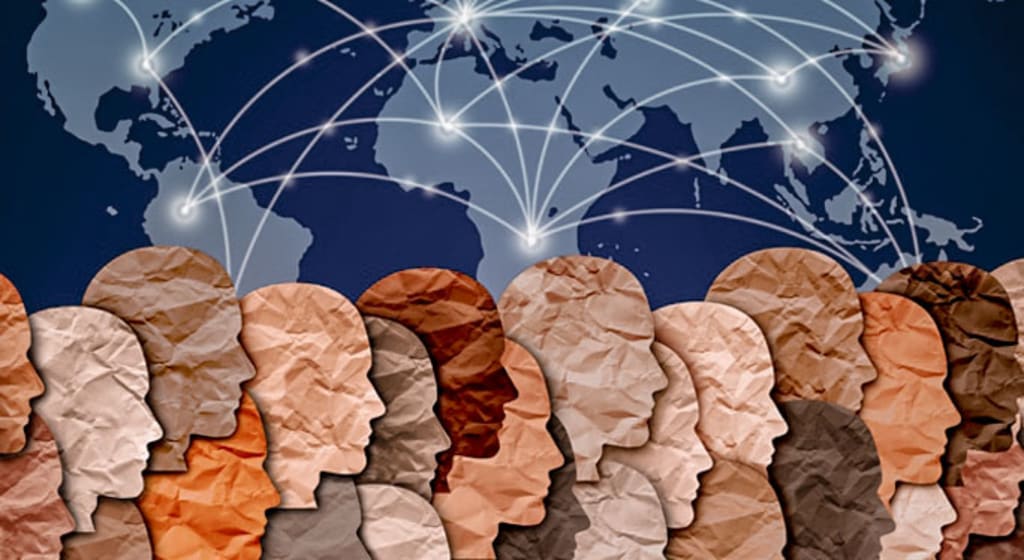
Cultural globalization has become a defining feature of the modern era, reshaping the ways in which cultures interact, evolve, and influence each other on a global scale. In this exploration, we delve into the phenomenon of cultural globalization, examining its definitions, drivers, and impacts, while highlighting the importance of embracing diversity and fostering cross-cultural understanding.
Cultural globalization refers to the rapid exchange and dissemination of cultural ideas, values, practices, and products across national borders, facilitated by advancements in technology, communication, and transportation. This interconnectedness has led to the emergence of a global cultural landscape, characterized by hybridity, diversity, and intercultural exchange.
One of the key drivers of cultural globalization is technological innovation, which has revolutionized the way information is shared and consumed around the world. The internet, social media, streaming platforms, and digital communication tools have facilitated instantaneous connections between individuals and communities across geographical distances, enabling the rapid spread of cultural content and ideas.
Globalization of the economy has also played a significant role in shaping cultural globalization, as multinational corporations and global markets promote the production and consumption of cultural products and services on a global scale. This has led to the proliferation of global brands, consumer culture, and cultural homogenization in some contexts, while also creating opportunities for cultural hybridity and diversity.
Moreover, migration, tourism, and cultural exchange programs have contributed to the cross-pollination of cultures, as people from different backgrounds come into contact with each other and exchange ideas, traditions, and perspectives. This has led to the emergence of multicultural societies and diaspora communities that enrich the cultural fabric of host countries with their diverse heritage and experiences.
The impacts of cultural globalization are manifold and complex, shaping individuals' identities, worldviews, and behaviors in profound ways. On one hand, cultural globalization has facilitated greater cultural exchange, appreciation, and understanding, fostering empathy, solidarity, and cosmopolitanism among diverse communities.
On the other hand, cultural globalization has also raised concerns about cultural homogenization, loss of cultural diversity, and the erosion of traditional identities and practices. The dominance of Western cultural norms and values in global media and popular culture has led to fears of cultural imperialism and the marginalization of indigenous and minority cultures.
Navigating the complexities of cultural globalization requires a nuanced understanding of its dynamics and impacts, as well as a commitment to promoting cultural diversity, equity, and inclusion. Embracing cultural globalization does not mean erasing cultural differences or promoting a monoculture; rather, it involves recognizing the value of diverse cultural expressions and creating spaces for dialogue, exchange, and collaboration across cultural boundaries.
In conclusion, cultural globalization is a multifaceted phenomenon that presents both opportunities and challenges for societies around the world. Embracing cultural globalization requires a commitment to fostering cross-cultural understanding, promoting cultural diversity, and building inclusive communities where all voices are heard and valued.
As we navigate the complexities of cultural globalization, it is essential to recognize the importance of preserving and celebrating cultural diversity. This entails creating spaces for dialogue, exchange, and collaboration across cultural boundaries, as well as advocating for policies that protect and promote the rights of indigenous and minority cultures.
Moreover, fostering a culture of respect, empathy, and openness towards cultural differences is essential for building bridges of understanding and solidarity across diverse communities. By embracing the richness and diversity of human cultures, we can create a more interconnected and harmonious world where individuals and communities thrive in their cultural identities and heritage.
In essence, cultural globalization offers us the opportunity to forge connections, foster empathy, and celebrate the beauty of human diversity on a global scale. By embracing cultural globalization with a spirit of openness and inclusivity, we can create a future where cultural differences are celebrated as a source of strength and enrichment, rather than a cause for division or conflict.
About the Creator
Mohamed Ali
Mohamed Ali is a passionate writer and researcher with a keen interest in exploring the complexities of human behavior and society through the lens of sociology. With a background in sociology and psychology.
Keep reading
More stories from Mohamed Ali and writers in Humans and other communities.
Exploring Cultural Identity
Cultural identity is a cornerstone of human experience, shaping individuals' sense of self, belonging, and connection to community and heritage. In this exploration, we delve into the complexities of cultural identity, examining its definitions, manifestations, and significance in the human experience, while emphasizing the importance of embracing diversity and fostering inclusivity.
By Mohamed Ali2 years ago in Humans
Trickle Them Down, But Not Out
The thing about smart people is that they should know better, but alas, intelligence is not the same as wisdom. Not only do the mistakes of experts too short on vision—when they are not corrected—have the potential to do great and far-reaching damage, but they also undermine public confidence in the very notion of expertise. This is particularly so when expertise is wielded in defence of the rich and powerful as a cudgel against those laid low. As an academic, this lack of faith in “so-called experts” is painful to see as it plays out in the spread of dis-/misinformation, conspiracy theories, and anti-intellectualism writ large. But it is also an understandable impulse given the catastrophic failure of an economic ideology pushed by certain economic experts. Supply-side economics has shaped a broken system for the last half-century and has arguably done more to undermine the fabric of the American Dream than any policy framework of the past century.
By Cory Wright-Maley13 days ago in Humans


Comments
There are no comments for this story
Be the first to respond and start the conversation.