
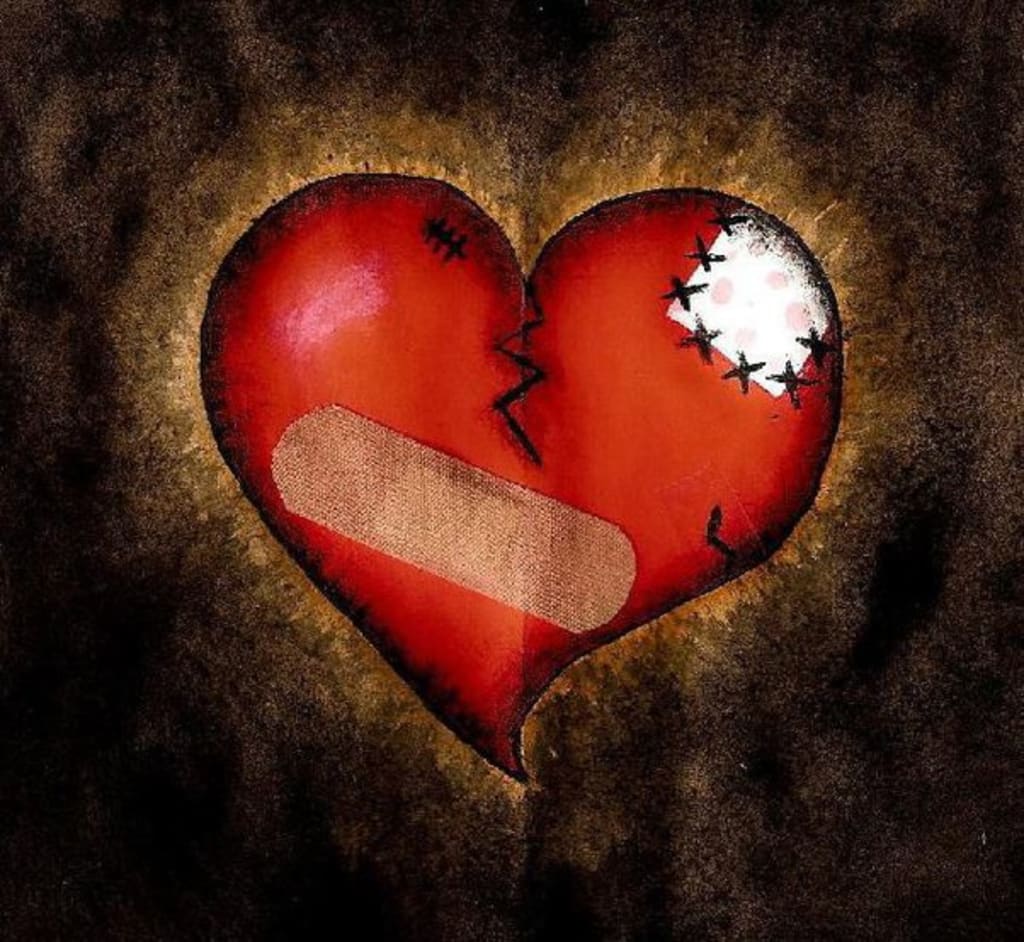
Love is often portrayed as a beautiful and magical experience that makes us feel alive and complete. However, the reality is that love can also be painful and damaging. In fact, love can hurt in many different ways, leaving us feeling broken and vulnerable.
One of the most common ways that love can hurt is through heartbreak. When a relationship ends, it can be devastating, leaving us feeling lost and alone. Whether it was a long-term partnership or a short-lived romance, the pain of a breakup can be intense and long-lasting.
Heartbreak can be particularly difficult to deal with because it often comes with a sense of rejection. Even if the breakup was mutual, it can still feel like a rejection of who we are as a person. We may question our worth and wonder what we did wrong. This can lead to feelings of anxiety, depression, and low self-esteem.
In some cases, heartbreak can also trigger physical symptoms, such as loss of appetite, difficulty sleeping, and even physical pain. These symptoms can make it difficult to function in our daily lives and can exacerbate our emotional pain.
Another way that love can hurt is through rejection. When we put ourselves out there and express our feelings to someone, we open ourselves up to the possibility of rejection. Being rejected by someone we care about can be a crushing blow to our self-esteem and confidence.
Rejection can also lead to feelings of loneliness and isolation. We may feel like we are not worthy of love or that we will never find someone who accepts us for who we are. These feelings can be particularly difficult to deal with if we have experienced rejection in the past.
Love can also hurt when it is unrequited. When we love someone who does not feel the same way, we can feel rejected and unwanted. This can lead to feelings of sadness, loneliness, and even depression.
Unrequited love can also be difficult because it can be hard to move on. We may hold onto the hope that the person will eventually come around, even if there is no evidence to support this. This can lead to a cycle of pain and disappointment that can be difficult to break.
In some cases, love can also be abusive. When a partner is emotionally, physically, or sexually abusive, it can leave lasting scars. Victims of abuse often struggle with feelings of shame, guilt, and fear, and may find it difficult to leave the relationship.
Abusive relationships can be particularly difficult to leave because the abuser may manipulate the victim into thinking that the abuse is their fault or that they deserve it. This can lead to a cycle of abuse that can be difficult to break without outside help.
Even when love is not abusive, it can still be painful. When we love someone deeply, we may be willing to make sacrifices for them, even if it means putting our own needs and desires aside. This can lead to feelings of resentment and bitterness if our sacrifices are not appreciated or reciprocated.
In some cases, we may also put our own well-being at risk for the sake of love. For example, we may stay in a relationship that is not healthy for us because we are afraid of being alone or because we feel like we cannot do better. This can lead to a cycle of pain and unhappiness that can be difficult to break.
In conclusion, love can be a beautiful and transformative experience, but it can also be painful and damaging. Whether it is through heartbreak, rejection, unrequited love, or abuse, the pain of love can leave us feeling broken and vulnerable. It is important to recognize the signs of unhealthy love and to seek support when we are struggling. With time and healing, we can move forward and find love that is healthy, fulfilling, and joyful.
About the Creator
Keep reading
More stories from writers in Humans and other communities.
The Best AI Tools for Small Businesses in 2026
Artificial intelligence is no longer a luxury reserved for tech giants. In 2026, small businesses are harnessing AI tools to streamline operations, improve customer experiences, and compete on a global scale. From automating repetitive tasks to uncovering actionable insights from data, AI has become a powerful ally for entrepreneurs who want to work smarter, not harder.
By Mind Meets Machine5 days ago in Humans
The Duelist
The rays of a dying red sun flashed against the onrushing blade. The grey beards say the key to dueling lies in size, speed, reach, righteous fury, whatever the person in front of them pays them to say. Matteo knew better than any it was none of these and had an undefeated record on these sands to prove it.
By Matthew J. Fromm5 days ago in Fiction




Comments
There are no comments for this story
Be the first to respond and start the conversation.