
Discoveries You Missed in 2023
Discovering a cure for Alzheimer's

The rapid expansion of human knowledge is truly remarkable, as evidenced by the staggering number of academic papers published each year across a vast array of journals. In the year 2023 alone, significant breakthroughs have already been achieved in the fields of nuclear fusion, artificial intelligence, and lithium-ion battery recycling, with many more exciting advancements on the horizon. Notably, scientists have even successfully mapped the entire brain of a fruit fly, an extraordinary accomplishment considering its minuscule size. In this era of information overload, navigating through the multitude of findings and sensationalized articles can be overwhelming. That's why it is crucial to uncover the most captivating discoveries, particularly those pertaining to Alzheimer's disease. By focusing on these remarkable findings, we can truly appreciate the incredible progress being made in expanding our understanding of the world around us.
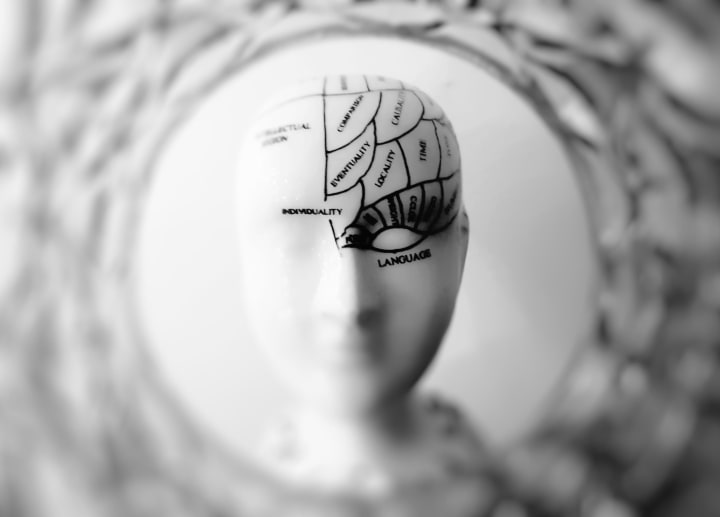
Alzheimer's, a devastating disease, stands as the fifth leading cause of death among Americans over 65. In the year 2020 alone, it claimed the lives of 130,000 individuals, while leaving a staggering seven million people worldwide grappling with its debilitating effects. The initial sign of this affliction manifests as memory loss, often challenging to identify in its early stages, yet rapidly progressing to disorientation, confusion, personality alterations, and profound memory impairment. Regrettably, Alzheimer's proves to be a fatal condition, and as of now, a cure remains elusive.
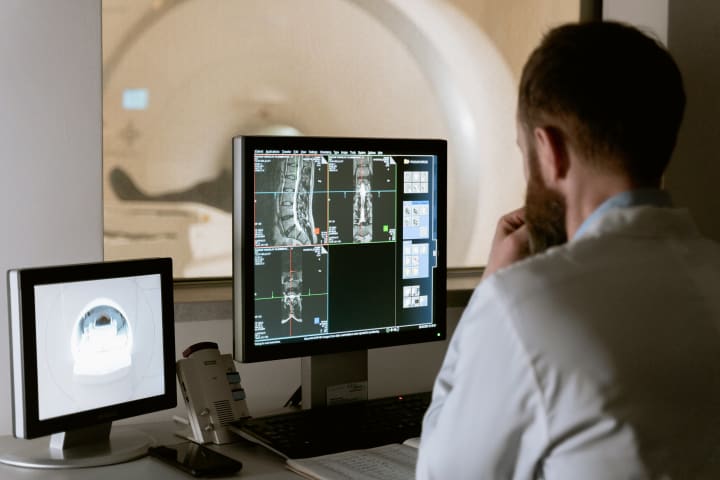
Another area of exploration is the role of inflammation in Alzheimer's. In recent years, studies have shown that chronic inflammation in the brain may contribute to the development and progression of the disease. Researchers are now investigating ways to reduce inflammation and its damaging effects on brain cells, with the aim of developing new therapeutic approaches. Scientists have dedicated extensive research to comprehending the intricacies of Alzheimer's disease by closely examining the plaques and tangles that manifest in the brains of affected individuals. These atypical formations detrimentally impact neural structures, yet the underlying causes and subsequent effects remain elusive. Despite the tireless pursuit of numerous clinical trials, the quest for a definitive cure has yielded minimal success thus far.
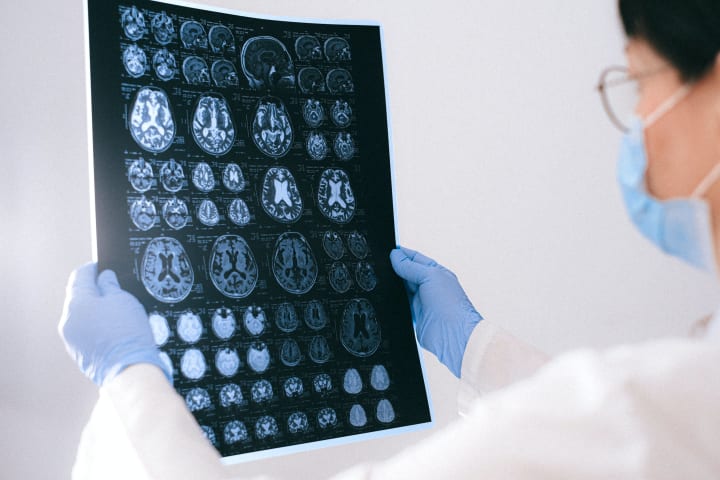
2023 has indeed brought a ray of hope. A groundbreaking development has taken place with the approval of Lech Hammerbab by the U.S. Food and Drug Administration. This remarkable drug has been specifically designed to combat amyloid plaques, which are known to be a significant contributor to the progression of Alzheimer's disease. The tireless efforts of pharmaceutical companies, such as Biogen, have been focused on conducting extensive clinical trials for almost two years. Now, with the official approval in 2023, we are one step closer to making this groundbreaking treatment widely accessible to those in need. This remarkable achievement not only signifies a major breakthrough in the field of medicine but also instills a renewed sense of optimism for patients and their loved ones. The future is looking brighter, and we can now envision a world where Alzheimer's is no longer an insurmountable challenge. Collaboration and data sharing among scientists and institutions are also playing a vital role in accelerating progress in Alzheimer's research. By pooling resources and sharing findings, researchers can build upon each other's work and make significant strides toward finding a cure.
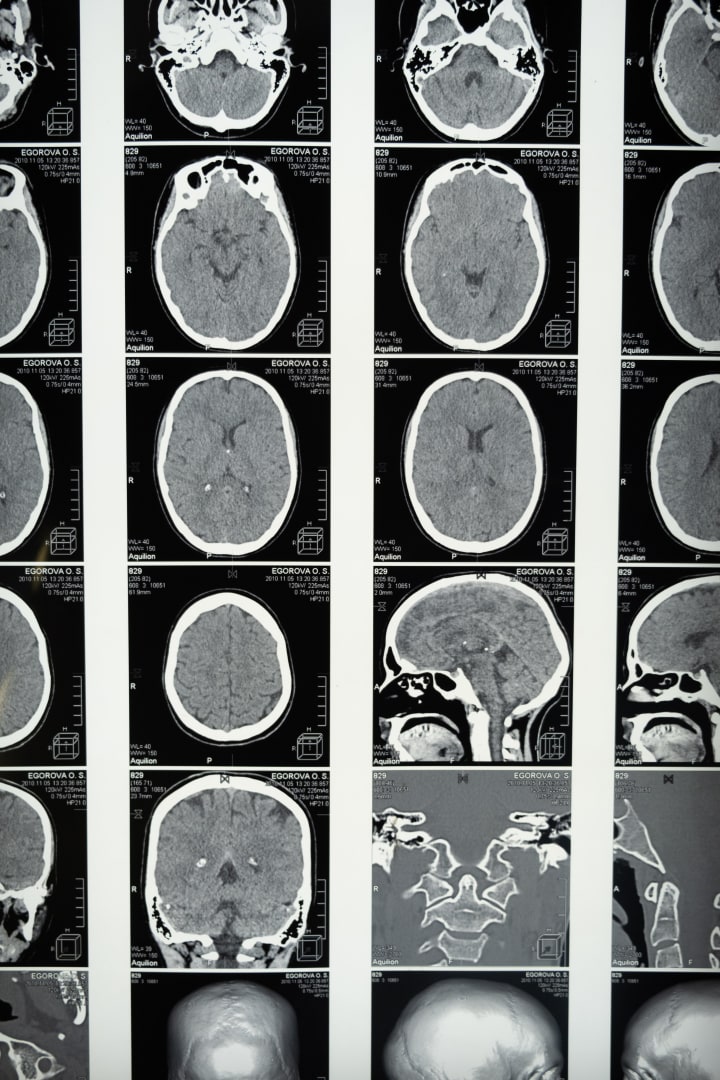
While the road to a cure for Alzheimer's may still be long and challenging, the dedication and determination of the scientific community give us hope. With each new discovery and breakthrough, we come closer to understanding this devastating disease and finding ways to prevent, treat, and ultimately cure Alzheimer's.

In conclusion, the fight against Alzheimer's is a global effort fueled by the urgency to save lives and alleviate suffering. Through ongoing research, collaboration, and technological advancements, we are inching closer to unlocking the secrets of this complex disease. Together, we can make a difference and bring hope to the millions of individuals and families affected by Alzheimer's.
About the Creator
Keep reading
More stories from writers in Humans and other communities.
The Most Kissed Face in History
The history of medicine is often a sterile chronicle of clinical trials, chemical formulas, and antiseptic laboratories. However, one of the most vital tools in modern emergency medicine—the CPR training manikin—is rooted in a 19th-century Parisian mystery that feels more like a work of Romantic poetry than a medical breakthrough. Every year, millions of students around the globe tilt back the head of a plastic doll to practice life-saving breaths, looking into the serene, frozen features of a woman known as L’Inconnue de la Seine: The Unknown Woman of the Seine.
By Richard Weber5 days ago in Humans


Comments
There are no comments for this story
Be the first to respond and start the conversation.