
Disability in Belgium: Rights, Support, Life, and Opportunities for People with Disabilities
Disability in Belgium
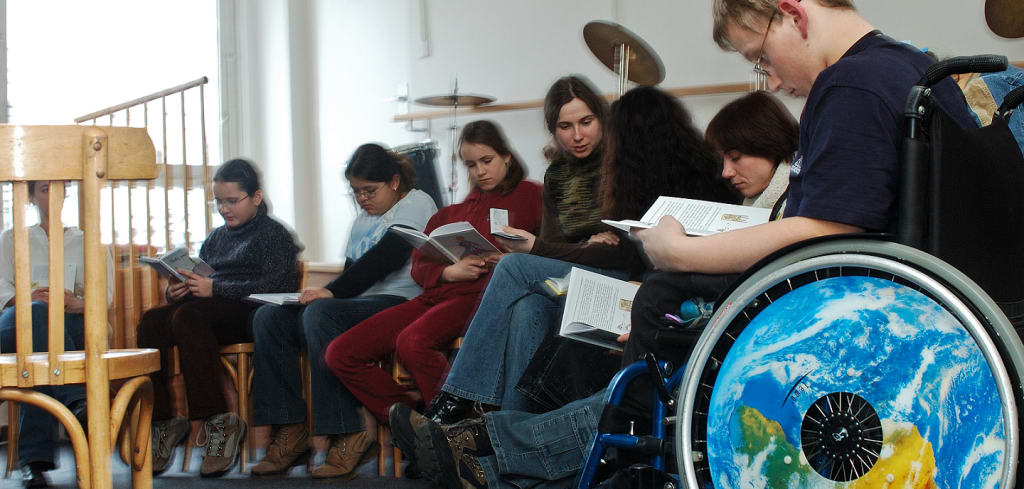
In Belgium, the rights and well-being of people with disabilities are taken seriously, with a focus on accessibility, inclusion, and equal opportunities. The country has been actively adapting its infrastructure, policies, and support systems to ensure that people with disabilities can lead fulfilling lives, with opportunities for education, employment, and social participation. The integration of people with disabilities into society is an ongoing process, and Belgium continues to align its legal framework with European and international standards to enhance their quality of life.
Disability in Belgium is understood beyond just a medical condition. The country defines disability broadly, covering physical, mental, and psychiatric conditions that significantly impair a person’s ability to live independently. Medical examinations, conducted by specialized bodies, determine disability status, which grants access to various forms of support and social benefits.
Types of Disabilities Recognized in Belgium
Belgium acknowledges a range of disabilities, including:
- Persistent musculoskeletal disorders that limit movement
- Severe vision or hearing impairment
- Mental health conditions such as schizophrenia, bipolar disorder, and major depression
- Chronic illnesses like multiple sclerosis or epilepsy
- Developmental disorders, such as autism and Down syndrome
- Consequences of significant injuries or surgeries
- Intellectual disabilities
- Once a person is officially recognized as disabled, they are eligible for state benefits and can access specially adapted infrastructure.
Interesting Fact: Disability is often measured in percentages, and in Belgium, a person needs to have at least 66% disability to qualify for benefits.
Legislative Framework for Disability Rights in Belgium
Belgium has developed a comprehensive legal framework to ensure equal rights for people with disabilities. The laws focus on eradicating discrimination, ensuring accessibility, and promoting integration into society.
Some of the key laws and regulations include:
- The Anti-Discrimination Act of 2007: Prohibits disability-based discrimination across all areas of public life.
- The UN Convention on the Rights of Persons with Disabilities: Belgium is a signatory, committing to upholding international rights for people with disabilities.
- The European Disability Card: Recognizes disability status across EU member countries, granting access to specific rights and benefits.
- Federal Equal Opportunity Act: Establishes mechanisms to ensure equal opportunities in education, employment, and public services.
- Local legislation further complements these federal regulations, tailoring the support for people with disabilities in Flanders, Wallonia, and Brussels.
Important: The European Disability Card is issued free of charge upon confirmation of disability status through local social security authorities.
Benefits and Social Support
Belgium provides extensive support to people with disabilities, encompassing both financial aid and practical assistance. The level of support varies depending on the severity of the disability and individual circumstances.
Key benefits include:
- Basic Disability Benefit: Ranges from €1,000 to €1,300 per month, depending on marital status and income.
- Additional Allowances: For household assistance, medical expenses, and special needs.
- Tax Reductions and Public Transport Benefits: Disabled individuals are eligible for tax relief and free or discounted public transport.
- Adapted Housing: Funding is available for modifications such as ramps, handrails, and wider doorways.
- Technical Assistance: Subsidies for rehabilitation equipment like wheelchairs or hearing aids.
- Employment Support: Programs like subsidized jobs, workplace adaptations, and coaching.
You can apply for these benefits after undergoing a medical examination and submitting necessary documentation to the Federal Social Security Service. The application process is straightforward, either online or through municipal authorities.
Tip: To expedite your benefit application, submit all necessary certificates and information upfront.
Education and Rehabilitation Opportunities
Belgium guarantees the right to education for individuals with disabilities, offering inclusive and special education options. Children with disabilities have access to regular schools with support services, or they can attend special schools tailored to their needs. Rehabilitation programs are also widely available for both children and adults.
How Belgium Ensures Access to Education and Rehabilitation:
- Inclusive Education: Children with disabilities attend mainstream schools with appropriate support.
- Specialized Institutions: Schools cater to specific disabilities, such as motor, sensory, or intellectual impairments.
- Rehabilitation Centers: Provide medical care, therapy, and psychological support.
- Adult Education: Disabled adults have access to retraining programs and vocational education.
- Assistive Technologies: Tools such as Braille textbooks, audio materials, and specialized devices are available in schools.
Interesting Fact: In some regions of Belgium, children with disabilities are integrated into regular classes and receive diplomas equivalent to those awarded to students in standard schools.
Employment and Professional Integration
Belgium's commitment to integrating people with disabilities into the workforce is reflected in the extensive support programs available to them. Public and private sector collaborations ensure that disabled individuals are not only employed but also supported in maintaining their jobs.
Support Programs for People with Disabilities in Employment:
- Employment Agencies: Services like VDAB (Flanders), Actiris (Brussels), and FOREM (Wallonia) offer specialized career guidance for people with disabilities.
- Workplace Adjustments: Employers can receive subsidies to adapt the work environment and accommodate employees with disabilities.
- Protected Workplaces: These special enterprises offer employment opportunities for people with severe disabilities.
- Flexible Working Conditions: Remote work and flexible hours are often offered as part of workplace inclusion programs.
The goal in Belgium is to ensure full participation in the labor market, not just to provide jobs, but to create an environment where disabled individuals can thrive professionally.
Important: In some regions, there are personalized support services for employees with disabilities to help them adjust to the workplace and remain employed.
Accessible Environment and Infrastructure
Belgium has made significant progress in improving accessibility for people with disabilities. Public spaces, transportation systems, and buildings are increasingly being adapted to meet the needs of disabled individuals.
Key Accessibility Features in Belgium:
- Public Buildings: Ramps, voice-controlled elevators, and automatic doors are standard in new constructions.
- Transport: Public transportation systems, including trains, buses, and trams, are equipped with low-floor platforms and ramps.
- Public Spaces: Museums, shopping centers, and theaters are being renovated to improve accessibility, with features like wider doorways and accessible toilets.
- Parking: Reserved spaces for disabled individuals are clearly marked, and fines are imposed for violations.
- Mobile Apps: There are apps that provide information about accessible routes and services.
Despite these advancements, some older buildings and smaller towns still face challenges in achieving full accessibility.
For a full understanding of the topic, we recommend reading our article.
Interesting Fact: Antwerp has introduced a “barrier-free city” map that helps individuals with disabilities navigate fully accessible routes and locations.
Public and International Organizations
Belgium is home to several organizations that provide essential support for people with disabilities, including legal, psychological, and social services. These organizations work both locally and internationally to promote the rights and well-being of disabled individuals.
Notable Belgian and International Organizations:
- Braille League: Supports the blind and visually impaired with training, resources, and consultation. Website
- GRIP (Gelijke Recht voor Iedere Persoon): Advocates for equal rights and anti-discrimination policies for people with disabilities.
- Inclusion ASBL: Offers support for individuals with intellectual disabilities and their families.
- European Disability Forum: An international platform that lobbies for disability rights at the EU level.
- Handicap International: Provides global support, including medical care and rehabilitation services.
For more details about living with a disability in Belgium, including social support, infrastructure, and professional integration, visit Welcomebelgium.
About the Creator
Keep reading
More stories from Ретро Мания and writers in Humans and other communities.
Nursing Homes in Belgium: Structure, Costs, and Accessibility
Belgium offers a diverse and comprehensive system for elderly care, encompassing various types of nursing homes and support services. This article delves into the different types of facilities available, the associated costs, accessibility, and regional variations, providing a detailed guide for those considering elder care options in Belgium.
By Ретро Мания8 months ago in Humans
Breaking the Cycle: A Reflection on Family, Abuse, and Choosing Peace
There comes a moment in every life when silence becomes too heavy to carry. Not because we owe anyone an explanation, but because speaking the truth—gently, clearly, and without bitterness—can be a way of reclaiming our own story. My story spans generations. It begins with my father, and it continues with my eldest daughter, with whom I eventually made the painful decision to go no contact. These choices were not made in anger. They were made in clarity. They were made in self‑preservation. And they were made with the hope that the cycle of harm might finally end with me.
By Julie O'Hara - Author, Poet and Spiritual Warrior7 days ago in Humans



Comments
There are no comments for this story
Be the first to respond and start the conversation.