
Determining the Price of Stone Crushers: An Evaluation of the Market
In this article, I will provide a detailed overview of the typical price ranges for the major types of stone crushers, highlighting the key factors that influence their cost.
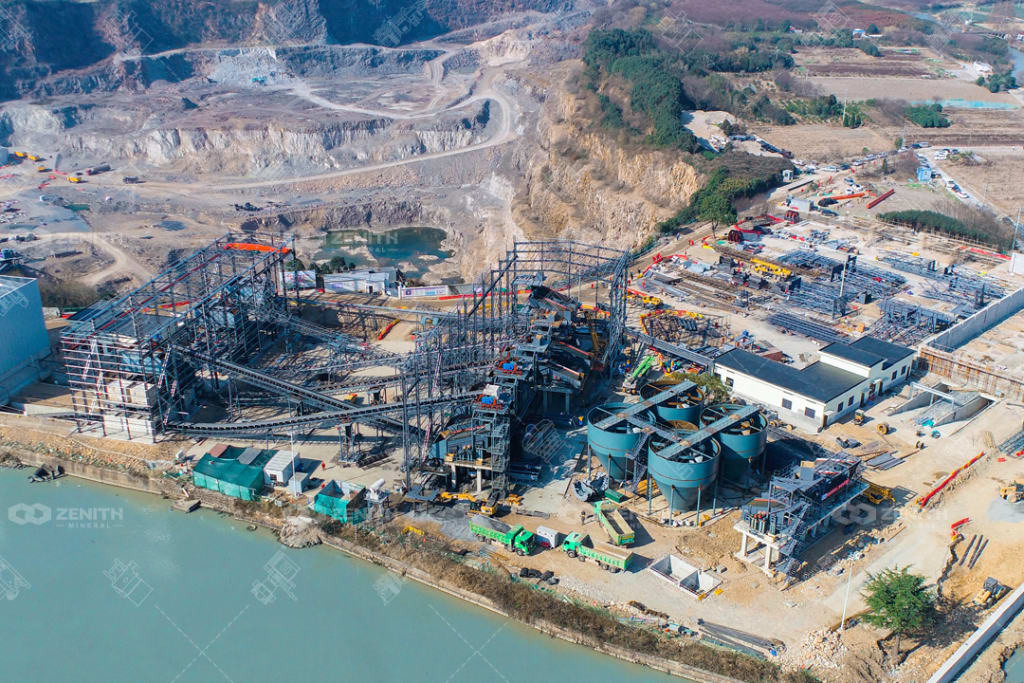
As an experienced author on the stone crushing industry, I understand that the price of stone crusher equipment is a critical consideration for anyone looking to invest in or expand their crushing operations. The cost of these machines can vary significantly, depending on a range of factors, and it's essential for industry players to have a comprehensive understanding of the market dynamics to make informed purchasing decisions.
In this article, I will provide a detailed overview of the typical price ranges for the major types of stone crushers, highlighting the key factors that influence their cost. By delving into the nuances of the market, I aim to empower my readers with the knowledge they need to navigate the stone crusher procurement process effectively and optimize their investments.
Jaw Crushers: The Workhorse of the Crushing Industry
Jaw crushers are perhaps the most widely used type of stone crushing equipment, known for their rugged design, reliability, and versatility. The price range for jaw crushers can vary considerably, depending on factors such as size, capacity, and level of automation.
On the lower end of the spectrum, small to medium-sized jaw crushers typically fall within the $30,000 to $150,000 range. These models are often suitable for smaller-scale operations or as secondary crushers in more comprehensive crushing plants.
At the higher end of the market, large, heavy-duty jaw crushers designed for quarry and mining applications can cost upwards of $500,000. These models boast significantly greater throughput capacities, advanced features, and specialized components that contribute to their premium pricing.
It's important to note that the cost of a jaw crusher can also be influenced by factors such as the brand, the level of customization required, and the region where the equipment is being purchased. Renowned manufacturers with established reputations for quality and after-sales support may command higher prices, while local or lesser-known brands may offer more budget-friendly options.
Gyratory Crushers: The High-Capacity Giants
Gyratory crushers, with their massive size and impressive production capabilities, occupy a distinct segment of the stone crusher market. As one of the most powerful and efficient primary crushing solutions, gyratory crushers are typically priced at the higher end of the spectrum.
The price range for gyratory crushers can vary significantly, typically falling within the $300,000 to $2 million range, depending on the specific model and its technical specifications. Larger, heavy-duty gyratory crushers designed for large-scale mining and quarry operations can command the upper end of this price range, reflecting their advanced engineering, robust construction, and exceptional throughput capacities.
The high cost of gyratory crushers is primarily driven by the complexity of their design, the specialized manufacturing processes involved, and the significant civil engineering requirements for their installation and operation. Additionally, the reputation and brand recognition of the manufacturer can also influence the pricing of these crushing giants.
Cone Crushers: The Versatile Workhorses
Cone crushers occupy a middle ground in the stone crusher market, offering a balance of performance, flexibility, and cost-effectiveness. The price range for cone crushers typically falls between $150,000 to $1 million, depending on factors such as size, capacity, and level of automation.
Smaller, more compact cone crushers designed for secondary or tertiary crushing applications can be found at the lower end of this price range, while larger, high-capacity models with advanced features and control systems can reach the upper limits.
The relatively wide price range for cone crushers reflects their versatility in handling a diverse range of materials and their ability to be configured for various crushing stages. Additionally, the brand reputation, after-sales support, and the level of customization required can also impact the final cost of a cone crusher.
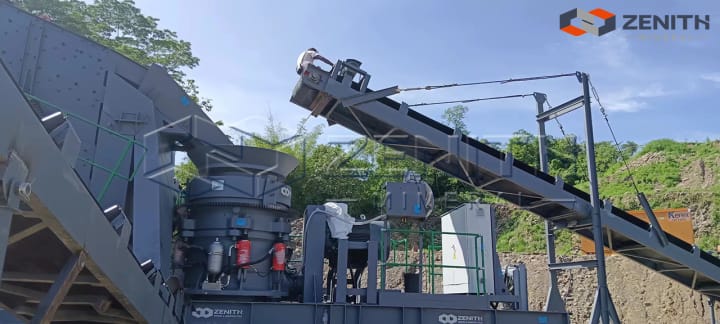
Impact Crushers and VSI Crushers: The Specialists
Impact crushers and vertical shaft impactors (VSI) crushers, known for their unique crushing mechanisms and ability to produce high-quality, cubical aggregates, also have their own distinct price ranges.
Impact crushers typically fall within the $50,000 to $800,000 price range, with the lower-end models suitable for smaller applications and the higher-end units designed for fine crushing and specialty aggregate production.
VSI crushers, being more specialized and technologically advanced, generally have a higher price tag, ranging from $80,000 to $500,000, depending on their size, configuration, and the level of automation and control systems incorporated.
The cost of these specialized crushers is influenced by factors such as the complexity of their design, the quality of the materials and components used, and the level of engineering expertise required for their manufacture and installation.
Factors Influencing Stone Crusher Pricing
The price of stone crushers is not solely determined by the type and model of the equipment; a range of other factors can also significantly impact the final cost. Understanding these key influencing factors is crucial for industry players to make informed purchasing decisions and optimize their investments.
1. Production Capacity and Throughput: Larger, high-capacity crushers with the ability to handle higher throughput volumes typically command higher prices compared to their smaller counterparts.
2. Automation and Control Systems: Crushers with advanced automation, control systems, and digital monitoring capabilities often carry a higher price tag due to the increased complexity and technological integration.
3. Material Composition and Wear Resistance: Crushers equipped with specialized wear-resistant materials and components designed to withstand harsh operating conditions tend to be more expensive but offer longer service life and lower maintenance costs.
4. Brand Reputation and After-Sales Support: Renowned crusher manufacturers with a proven track record of quality, reliability, and comprehensive after-sales service can charge premium prices for their products.
5. Customization and Bespoke Engineering: Crushers that are specially designed or customized to meet unique operational requirements or site-specific conditions often have higher price tags compared to standard, off-the-shelf models.
6. Geographic Location and Import Costs: The location of the manufacturer, as well as the costs associated with shipping, import duties, and taxes, can significantly impact the final price of the crusher at the customer's site.
By considering these key factors, industry players can navigate the stone crusher market more effectively, identify the most suitable equipment for their needs, and make purchasing decisions that align with their operational and financial objectives.
Conclusion
The price of stone crushers is a critical consideration for any enterprise operating in the construction, mining, or aggregates industries. The wide range of prices, from the affordable and versatile jaw crushers to the high-capacity and specialized gyratory, cone, impact, and VSI crushers, reflects the diverse needs and requirements of the market.
By understanding the factors that influence stone crusher pricing, industry players can make informed decisions, optimize their investments, and position their operations for long-term success. Whether it's a small-scale quarry operation or a large-scale mining project, navigating the stone crusher market with a clear understanding of the pricing dynamics can be the key to unlocking valuable opportunities and driving sustainable growth.
As the demand for construction materials and aggregates continues to rise, the ability to source and deploy the right stone crushing equipment at the right price point will be a crucial competitive advantage. By staying abreast of the latest market trends and technological advancements, industry stakeholders can ensure that their crushing operations remain efficient, cost-effective, and future-proof.
About the Creator
Wild Card Weekend Recap: What Happens Now?
I think I figured out why I love Wild Card Weekend so much. It's because it's the first playoff anything of the calendar year. The NFL season starts in the fall, and once upon a time, the champion was crowned either on or slightly before New Year's. The evolution of the NFL schedule has resulted in the playoffs starting just into the New Year, and currently, the final week of the season falls on the first weekend of the New Year, with Wild Card Weekend coming a week after that. So yes, chronologically, the NFL's Wild Card Weekend serves as the first playoff anything of the calendar year.
By Clyde E. Dawkins6 days ago in Unbalanced



Comments
There are no comments for this story
Be the first to respond and start the conversation.