
Debunking The Myths Of Directors & Officers Insurance: Advantages And Disadvantages
Sometimes there are misconception associated with D&O policy. This blog will help clear out misconception.

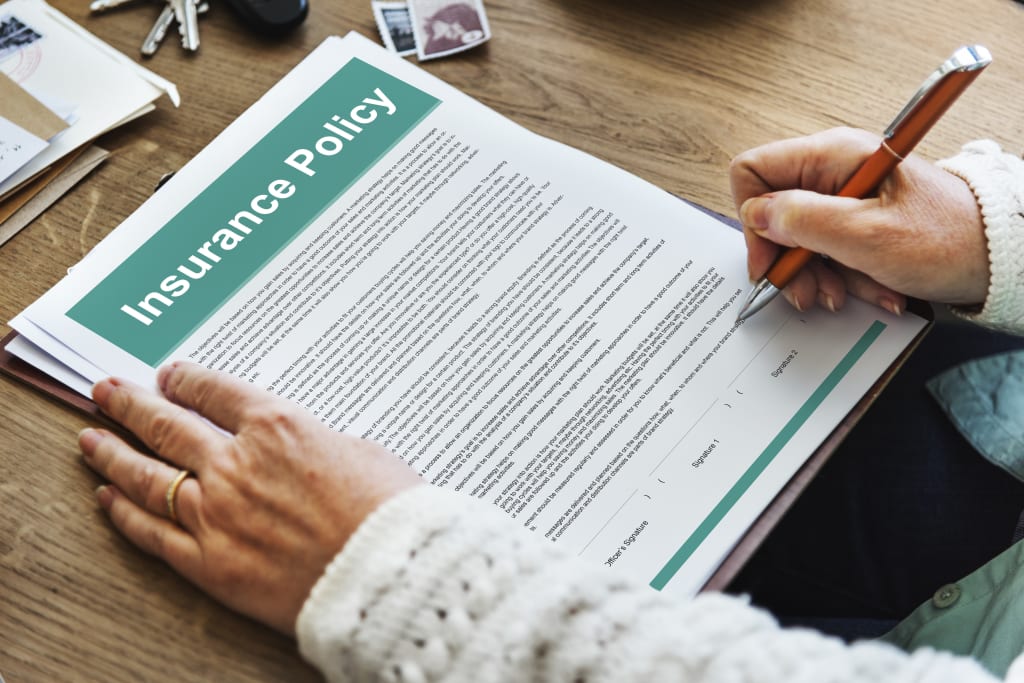
Directors and Officers (D&O) Insurance is something that many companies purchase in order to protect their business from the potential financial losses associated with legal proceedings brought against them. However, there are still a lot of myths and misconceptions surrounding this type of insurance policy. Read on to find out more about the advantages and disadvantages of having a D&O Insurance policy - debunking the myths so you can make an informed decision for your business.
What is Directors & Officers Insurance?
Directors & Officers Insurance, also known as D&O insurance, is designed to protect individuals who serve on the board of directors or as executive officers of their company from being held liable for any wrongful or illegal actions that they may have carried out in the course of their work.
D&O insurance can provide protection against a wide range of risks, including:
• wrongful dismissal
• sexual harassment
• discrimination
• defamation
• breach of contract
• breach of fiduciary duty
Benefits of D&O Insurance
As a business owner, you may be wondering if directors and officers insurance (D&O insurance) is right for your company. This type of insurance can be beneficial for companies of all sizes.
Here are some of the advantages of D&O insurance:
1. Protection from Personal Liability
As a director or officer of your company, you may be held personally liable for any wrongful or illegal actions that you take while in your role. D&O insurance can protect you from having to pay out of your own pocket if you are sued or held liable for damages.
2. Coverage for Third-Party Claims
D&O insurance can also provide coverage for third-party claims against your company. This type of coverage can help to protect your company's assets if it is sued by someone who is not an employee or shareholder.
3. Peace of Mind
Knowing that you and your company are protected from potential lawsuits can give you peace of mind as a business owner. D&O insurance can help you to focus on running your business without worrying about being held personally liable for any damages that may occur.
Common Misconceptions About D&O Insurance
There are a number of common misconceptions about directors and officers (D&O) insurance. This type of insurance is designed to protect individuals who serve on the board of directors or as officers of a company from personal financial losses in the event that they are sued for wrongful decisions or actions while in these roles.
Despite its purpose, D&O insurance does not cover every possible situation. For example, it will not pay out if the individual is found to have committed fraud or acted with criminal intent. Additionally, D&O insurance typically excludes claims made by shareholders or employees.
Another common misconception is that D&O insurance is expensive. While the premium for this type of coverage can be higher than other types of insurance, the protection it provides can be well worth the cost.
Finally, some people believe that they do not need D&O insurance because their company is small or they are not involved in any high-risk activities. However, any company can be sued and any director or officer can be held personally liable for their actions, regardless of the size of the company or the level of risk involved.
Disadvantages of D&O Insurance
There are a few disadvantages to D&O insurance that businesses should be aware of before purchasing a policy.
First, D&O insurance policies can be expensive, especially for small businesses. The cost of the policy will depend on the size and financial stability of the company, as well as the industry it operates in.
Second, D&O insurance may not cover all types of losses. For example, if a director is found to have committed fraud or misappropriated company funds, the insurance policy may not cover these losses.
Third, D&O insurance can create a moral hazard, meaning that directors and officers may be less likely to exercise due care if they know they are insured against any potential losses.
Finally, some companies may view D&O insurance as a “band-aid” solution to larger problems within the organization. For example, if a company has poor internal controls or faces significant financial risks, D&O insurance will not address these underlying issues.
What Type of Coverage Should I Get?
There are a number of factors to consider when determining the type of coverage you should get for your business. The first is the size of your company and the industry you're in. If you're a small business owner, you may not need as much coverage as a large corporation. The second factor is the amount of risk your company faces. If you're in a high-risk industry, you'll need more coverage than a low-risk industry. Finally, you'll need to consider your budget and the amount of coverage you can afford.
The best way to determine the type of coverage you need is to speak with an insurance agent or broker. They can help assess your risks and recommend the right type of coverage for your business.
Who Needs Directors & Officers Insurance?
In order to understand who needs Directors & Officers insurance, it is important to first understand what Directors & Officers insurance is. This type of insurance protects individuals who serve on the board of directors or executive officers of a company from being held liable for any wrongful or illegal actions that they may have carried out in the course of their duties.
There are a number of factors that need to be considered in order to determine whether or not a company needs this type of insurance. The size of the company and the amount of risk that it faces are two of the most important factors. For example, a small company that operates in a low-risk industry is unlikely to need this type of insurance, whereas a large company that operates in a high-risk industry is much more likely to need it.
Another factor that needs to be considered is the financial stability of the company. A company that is financially stable and has strong cash reserves is less likely to need this type of insurance than a company that is struggling financially.
Finally, the legal environment in which the company operates also needs to be taken into account. Companies that operate in countries with weak legal systems are more likely to need Directors & Officers insurance than companies that operate in countries with strong legal systems.
So, who needs Directors & Officers insurance? Ultimately, the decision should be made by taking all of these factors into account and weighing up the risks and benefits for each individual company.
Alternatives to D&O Insurance
There are a few alternatives to D&O insurance that companies can explore. One is self-insurance, where the company sets aside money each year to cover any potential claims. This option can be costly, and it's difficult to predict how much needs to be set aside. Another alternative is to purchase liability insurance for the entire company, which would protect the directors and officers as well. However, this can be expensive and may not offer the same level of protection as D&O insurance. Finally, some companies choose to do nothing and hope that their directors and officers will never be sued. This is a risky approach, as even one lawsuit can bankrupt a company.
Conclusion
Directors & Officers Insurance is an important tool for any business. Not only does it provide financial protection against risks and liabilities, but the added peace of mind that comes with knowing you are covered can be invaluable. While there may be some disadvantages associated with D&O insurance policies, they should not deter potential policyholders from taking out a policy. With careful consideration and research into the advantages and disadvantages of Directors & Officers Insurance, businesses can ensure they have taken advantage of every opportunity to protect their finances in case of a lawsuit or other legal claim against them.
About the Creator
Jayant Upadhyay
Jayant is a content marketer and leading strategist. He has 12 years of experience in content and digital business. When he is not writing, he is gardening, listening to songs and reading novels. He is working with BimaKavach
Keep reading
More stories from Jayant Upadhyay and writers in Humans and other communities.
Why Small Businesses Need Directors and Officers Insurance?
Small businesses face unique risks that larger companies do not, and one of the most important insurance policies for small businesses is Directors and Officers (D&O) Insurance. This article will explain why D&O Insurance is essential for smaller companies, what it covers and how it can protect your business from potential financial ruin. Read on to find out more about this crucial form of coverage!
By Jayant Upadhyay3 years ago in Humans
John Forte and the Long Road Back to Meaningful Music Life
Some lives move in straight lines. Others bend, break, and slowly find their way back. The story of john forte belongs to the second kind. It is not loud or glossy. It is quiet, heavy, and deeply human. His name often appears in the margins of hip hop history, yet his journey speaks to anyone who has made mistakes and carried them for years. This is a story about music, loss, time, and patience. It is about how a person can fall far, sit with that fall, and still choose to create something honest. If you have ever wondered how art survives prison walls, or how identity survives shame, this story stays with you.
By Muqadas khan5 days ago in Humans
Miss Persephone's Manual to a Seemingly Ordinary Life
Miss Persephone was found at the dining table, her blue eyes swollen, her tears arriving and retreating like the tides of the ocean. Earlier that day, her family had visited her in the retirement home where she had lived for eight years. It was her eightieth birthday.
By Imola Tóth4 days ago in Fiction


Comments
There are no comments for this story
Be the first to respond and start the conversation.