
Dark Physiology: The Hidden Mechanisms of the Human Body
Exploring the Shadowy Depths of Our Biological Mysteries
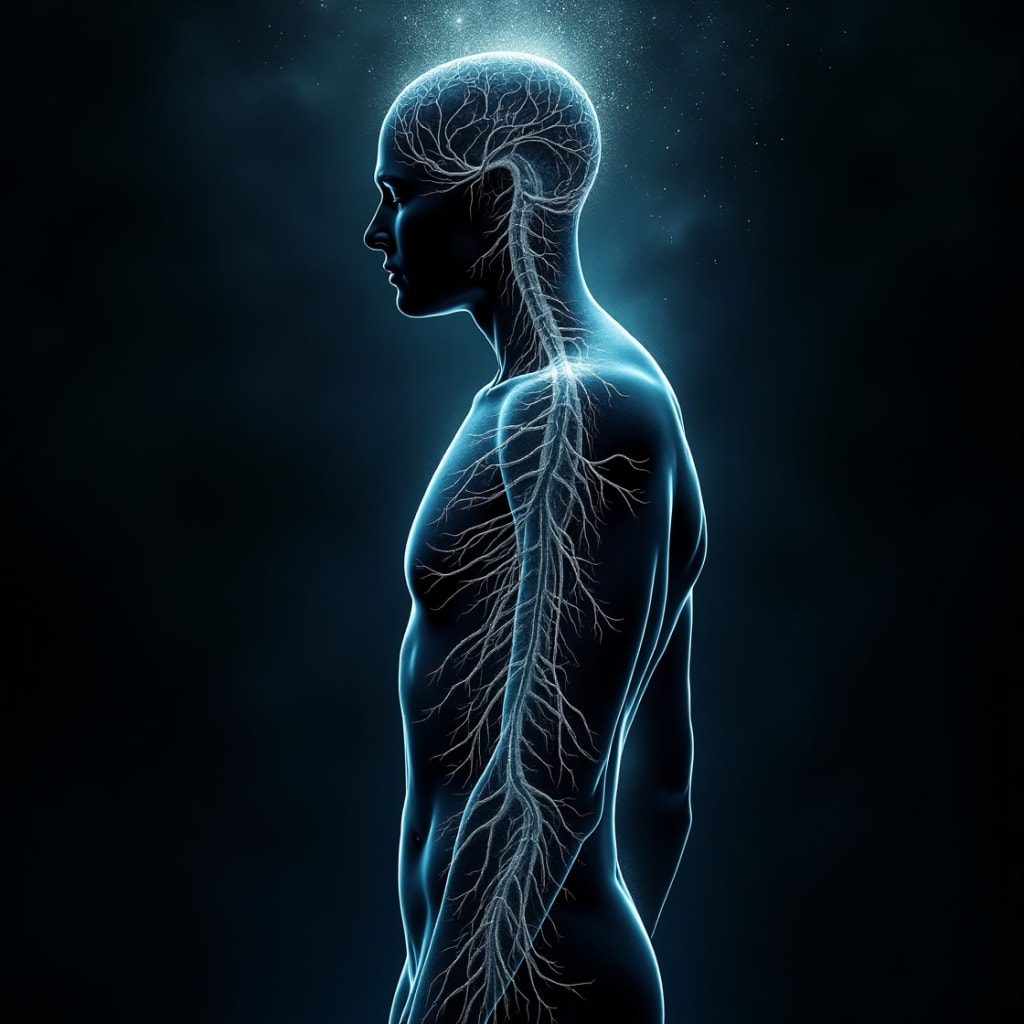
Introduction
The human body is often compared to a well-oiled machine—predictable, systematic, and governed by known biological laws. Yet, beneath the surface of standard physiology lies a realm of enigmatic processes that defy conventional understanding. Dark physiology refers to the obscure, poorly understood, or even hidden mechanisms that influence health, disease, and human potential. From the mysteries of cellular communication to the eerie intelligence of the gut microbiome, this article delves into the shadowy corners of biology that science is only beginning to illuminate.
1. The Brain’s Hidden Networks: Beyond Neurons
The Silent Influence of Glial Cells
For decades, neuroscience focused on neurons as the primary drivers of thought and behavior. However, glial cells—once considered mere "brain glue"—are now recognized as key players in cognition, memory, and even mental illness.
Astrocytes regulate blood flow and synaptic activity, acting as hidden conductors of neural communication.
Microglia function like immune assassins, pruning unnecessary synapses—but when malfunctioning, they may contribute to Alzheimer’s and schizophrenia.
Ependymal cells maintain the brain’s mysterious cerebrospinal fluid, which may hold clues to neurodegenerative diseases.
Recent studies suggest that glial dysfunction could explain why some brain disorders remain untreatable. The brain, it seems, has a dark network operating in parallel to neurons—one we are only beginning to decode.
2. The Gut-Brain Axis: A Second Mind?
How Your Microbiome Controls Your Mood
The gut has been called the "second brain," and for good reason. The enteric nervous system (ENS) contains over 500 million neurons—more than the spinal cord—and communicates directly with the brain via the vagus nerve.
Microbial Manipulation: Gut bacteria produce neurotransmitters like serotonin (90% of which is made in the gut) and dopamine, influencing anxiety, depression, and even decision-making.
The "Zombie" Parasite Effect: Toxoplasma gondii, a parasite found in cat feces, alters rodent behavior to make them fearless of predators—and some studies suggest it may subtly affect human risk-taking.
Fecal Transplants & Personality Changes: Experiments show that transferring gut bacteria from bold mice to timid ones can make them more adventurous—raising eerie questions about microbiome-driven behavior.
Could depression, autism, or even criminal tendencies be linked to gut flora? The gut-brain axis remains one of the darkest—and most fascinating—frontiers in physiology.
3. Epigenetics: The Ghosts in Your DNA
How Your Ancestors’ Trauma Lives in Your Cells
Genetics was once seen as destiny, but epigenetics—the study of gene expression changes without altering DNA—reveals that environment can rewrite biological code.
Transgenerational Trauma: Studies on Holocaust survivors’ descendants show inherited stress markers, suggesting trauma can linger in genes for generations.
The Hunger Winter Effect: Children born to Dutch mothers who survived famine in WWII had higher obesity rates—a survival adaptation gone wrong.
Zombie Genes: Some genes remain "silent" until triggered by environmental factors, potentially activating diseases decades later.
This hidden layer of genetic control means we carry invisible biological echoes of our ancestors—a ghostly inheritance shaping our health in ways we’re only starting to grasp.
4. Cellular Immortality: The Dark Side of Telomeres
Why Cancer Cells Cheat Death
Normal cells have an expiration date—telomeres, protective caps on chromosomes, shorten with each division until the cell dies. But some cells refuse to follow the rules.
Cancer’s Immortality Trick: Tumors activate telomerase, an enzyme that rebuilds telomeres, allowing them to divide endlessly.
The Lazarus Phenomenon: Scientists have revived cells from corpses hours after death, revealing that cellular death isn’t always final.
Zombie Senescent Cells: These "undead" cells stop dividing but refuse to die, secreting toxins that accelerate aging—drugs targeting them could extend lifespan.
The line between life and death at the cellular level is far blurrier than we thought—and unlocking these secrets could revolutionize medicine.
5. The Shadow Nervous System: Mysteries of the Vagus Nerve
The Body’s Hidden Control Cable
The vagus nerve is the longest cranial nerve, stretching from the brain to the gut, heart, and lungs. It operates mostly below conscious awareness, yet its influence is profound.
Biohacking the Vagus: Cold exposure, humming, and meditation can stimulate it, reducing inflammation and anxiety.
Vagus Death Connection: Overstimulation can trigger vasovagal syncope (fainting)—and in rare cases, fatal "vagal inhibition" from extreme stress.
The Polyvagal Theory: Suggests trauma rewires vagal responses, locking some people in a perpetual "freeze" state—a physiological shadow of past danger.
This nerve is a literal lifeline—and a potential key to treating PTSD, autoimmune diseases, and even longevity.
Conclusion: The Future of Dark Physiology
Dark physiology forces us to confront the unsettling truth: much of what governs our bodies remains unknown. From microbial puppeteers in our guts to epigenetic ghosts in our DNA, these hidden mechanisms challenge the idea that we fully understand human biology.
As science advances, we may uncover even stranger phenomena—perhaps quantum processes in the brain, unknown bioelectric fields, or collective cellular intelligence. One thing is certain: the human body is far more mysterious than we ever imagined.
The question is no longer "How does the body work?" but rather—"What else is hiding in the shadows?"
About the Creator
Umar zeb
Hi, I'm U zeb, a passionate writer and lifelong learner with a love for exploring new topics and sharing knowledge. On Vocal Media, I write about [topics you're interested in, e.g., personal development, technology, etc
Kristy Scott and the Quiet Weight of a Life Changed Forever
Some names appear in the news and fade within days. Others stay, not because they were famous, but because their stories touch something deeper. Kristy Scott is one of those names. Her story is not loud or dramatic in the usual sense. It is quiet, heavy, and human. It speaks of loss that does not end when headlines do. Of days that keep moving even when a life has stopped making sense. Kristy Scott’s experience has drawn attention not because she asked for it, but because it reflects the reality many people live through silently. To understand why her name matters, we have to look beyond surface details and into the emotional aftermath that reshapes a person forever.
By Muqadas khan7 days ago in Humans


Comments (2)
Lovely 🍀🍀🍀
wow amazing this is so amazing article