
Daniel De Wet: The Miraculous Survival of an Engineering Supervisor in a South African Mine
Miraculous survival

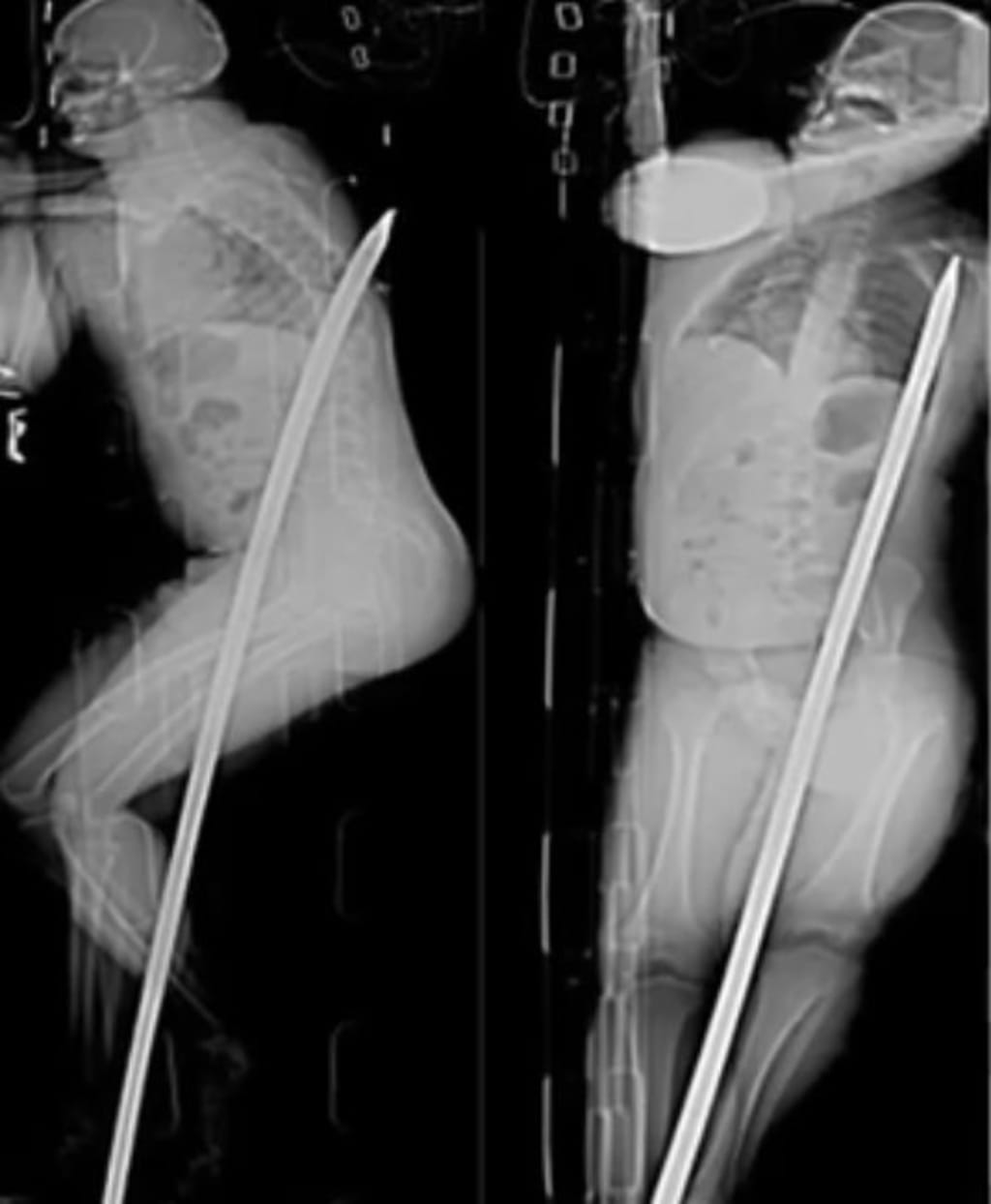
In the mining industry, where safety is a paramount concern, the story of Daniel De Wet stands as a remarkable testament to human resilience and the extraordinary efforts of medical professionals. In January 2015, De Wet, an engineering supervisor, faced a life-threatening accident while working 3.5 kilometers underground in a South African mine. This blog post delves into the harrowing details of the incident, his miraculous survival, and the profound implications for workplace safety in hazardous environments.
The Incident: A Routine Task Turned Nightmare
On that fateful day in January 2015, Daniel De Wet was tasked with cleaning out a dam deep within the mine. Equipped with an extended crowbar, he began the laborious process of stirring up the mud to facilitate the cleaning. Mines are inherently perilous environments, with their confined spaces and unpredictable conditions, but De Wet was experienced and knew the risks involved.
However, as he maneuvered the crowbar, the unexpected happened. De Wet slipped, and in an instant, his life was hanging by a thread. He fell onto the crowbar, which pierced his body in a gruesome and unimaginable manner. The five-foot metal rod entered through his groin area and exited just below his shoulder blade. The pain and shock were immediate and excruciating.
The Immediate Response
In the moments following the accident, De Wet's colleagues were quick to react. Working 3.5 kilometers underground added a significant layer of complexity to the rescue operation. The priority was to stabilize him and extricate him from the mineshaft as swiftly and safely as possible. Every second counted, and the team knew they had to act fast to save his life.
De Wet was carefully and cautiously removed from the site, a process that required immense skill and coordination. The mine’s emergency response team played a crucial role in ensuring that he was transported to the surface without causing further injury. Once above ground, he was rushed to the nearest hospital for emergency medical treatment.
The Surgical Battle
Upon arrival at the hospital, the gravity of De Wet's injuries became apparent. The metal rod had caused severe internal damage. It obliterated one of his kidneys and inflicted significant harm on his small intestine. The surgeons were faced with a daunting task: to extract the massive rod while minimizing further damage and preventing fatal complications.
The surgical team’s precision and expertise were critical. Over the course of several hours, they meticulously worked to remove the rod and repair the extensive internal injuries. The complexity of the surgery was heightened by the rod's path through De Wet's body, which had narrowly missed major arteries and vital organs. The fact that it had done so was nothing short of miraculous.
A Remarkable Recovery
Despite the severity of his injuries, Daniel De Wet’s recovery was nothing short of extraordinary. His resilience and determination, coupled with the excellent medical care he received, played pivotal roles in his rapid recuperation. Against all odds, he began to heal and regain his strength.
Remarkably, De Wet was released from the hospital only 19 days after the incident. His recovery was a testament to the human body’s remarkable ability to heal, as well as to his own indomitable spirit. While he faced a long road to full recovery, his progress was a source of inspiration to all who followed his story.
Reflections on Workplace Safety
De Wet’s harrowing experience highlights the inherent dangers of working in hazardous environments such as mines. It underscores the critical importance of stringent safety protocols, regular training, and emergency preparedness. While accidents can occur despite the best precautions, the swift and effective response of his colleagues and the medical team played a crucial role in mitigating the outcome.
In industries like mining, where the margin for error is minimal, continuous efforts to enhance safety measures are essential. This includes not only providing workers with the necessary tools and protective equipment but also fostering a culture of safety awareness and vigilance. Regular drills, updated training programs, and a robust emergency response plan are vital components of ensuring worker safety.
The Human Spirit
Daniel De Wet’s story is a powerful reminder of the resilience of the human spirit. His ability to survive such a traumatic injury and recover swiftly is nothing short of miraculous. It serves as an inspiration to all, demonstrating that even in the face of overwhelming adversity, the will to live and the support of skilled professionals can lead to incredible outcomes.
As we reflect on De Wet’s experience, it is important to acknowledge the unsung heroes who played a role in his survival—the colleagues who acted swiftly, the emergency responders who executed the rescue with precision, and the medical professionals who performed a life-saving surgery. Their collective efforts highlight the strength of human compassion and expertise.
Moving Forward
In the aftermath of this incident, it is crucial to continue advancing safety standards in all high-risk industries. De Wet’s story should serve as a catalyst for ongoing improvements in workplace safety protocols. By learning from such experiences and implementing necessary changes, we can strive to prevent similar incidents in the future.
In conclusion, the story of Daniel De Wet is one of survival, resilience, and hope. It is a reminder of the extraordinary strength of the human spirit and the critical importance of safety in hazardous workplaces. As we honor his remarkable journey, let us also commit to fostering safer environments for all workers, ensuring that they return home safely at the end of each day.
About the Creator
Keep reading
More stories from Deji Akomolafe and writers in Humans and other communities.
A Birthday Celebration Gone Wrong: The Hidden Dangers of Cake Smash Pranks
Birthdays are a time of joy, celebration, and shared happiness with loved ones. However, what was meant to be a fun and lighthearted moment turned into a near-disastrous incident for one woman in 2021. During her birthday celebration, she faced a potentially life-threatening situation when her head was forcibly pushed into her cake, unaware of the sharp wooden dowels hidden inside. This shocking incident underscores the unexpected dangers lurking in seemingly innocent traditions and highlights the importance of safety in celebratory pranks.
By Deji Akomolafe2 years ago in Humans
The 20 Traits That Make a Woman Truly Worth Marrying
Most people spend years searching for the perfect partner, but they often look in the wrong places. The truth is, the right woman is not defined by beauty or status — she is defined by the qualities she carries in her heart and character.
By Zakir Ullah5 days ago in Humans
A Transparent Look at Vocal Challenges and Top Stories
Almost three years ago, we shared a resource article that served as a place for people to suggest new challenge prompts. We thought it would be a good idea to refresh that thread, and take the opportunity to answer a few common questions about top stories, how challenges are judged and how submissions are reviewed.
By Vocal Curation Team4 days ago in Resources



Comments
There are no comments for this story
Be the first to respond and start the conversation.