
CRYING
One of the benefits of crying is that it can serve as a natural stress reliever.
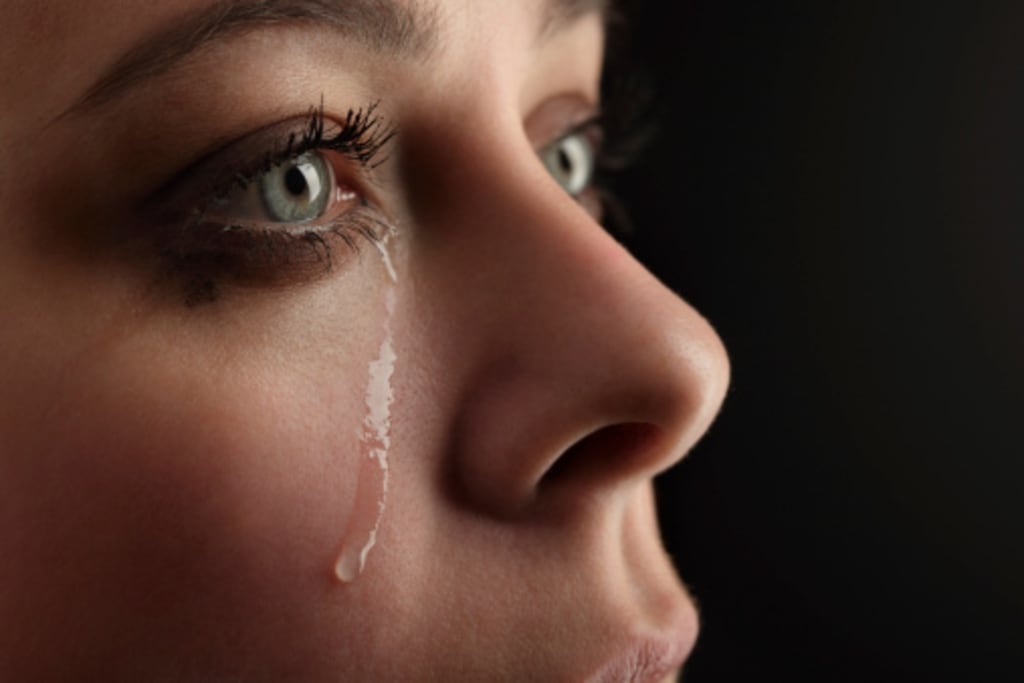
Crying is a natural human response to emotions that we experience on a daily basis. From joy to sadness, anger to frustration, crying can serve as a release for the various emotions that we feel. Despite being a universal human experience, crying remains a topic that is often stigmatized and misunderstood. In this article, we will explore the science of crying, its benefits, and how to cope with it.
First and foremost, it is important to understand that crying is a normal physiological response to emotional distress. The act of crying involves the release of tears from the lacrimal gland, which is located above the outer corner of each eye. Tears are composed of water, electrolytes, and proteins, and their production is regulated by the autonomic nervous system. When we experience intense emotions, such as sadness or grief, the brain sends signals to the lacrimal gland to release tears as a way to cope with the emotional stress.
There are different types of tears that can be produced by the lacrimal gland. Basal tears are constantly produced to keep the eyes moist, while reflex tears are produced in response to irritants such as dust or smoke. Emotional tears, on the other hand, are produced in response to emotions and are believed to contain higher levels of stress hormones such as cortisol.
One of the benefits of crying is that it can serve as a natural stress reliever. Research has shown that emotional tears can help to reduce stress by lowering the levels of cortisol in the body. Cortisol is a hormone that is produced in response to stress, and elevated levels of cortisol can have negative effects on our physical and mental health. By releasing emotional tears, we can help to lower our cortisol levels and reduce the impact of stress on our bodies.
Crying can also help us to process and cope with our emotions. When we experience intense emotions, it can be difficult to express them in words. Crying allows us to release our emotions and communicate them non-verbally. This can be particularly helpful for individuals who struggle with expressing their emotions in other ways.
Moreover, crying can also have social benefits. When we cry in the presence of others, it can signal to them that we are in need of support and comfort. This can lead to increased social bonding and help to strengthen relationships. It is important to note, however, that not everyone feels comfortable crying in front of others. It is okay to cry alone, and it can still provide many of the same benefits.
Despite the benefits of crying, it is important to recognised that not all forms of crying are healthy. For example, crying can become problematic when it is used as a way to manipulate others or avoid dealing with problems. In these situations, crying can become a maladaptive coping mechanism that can lead to further problems down the line.
Additionally, crying can be stigmatized and viewed as a sign of weakness. This can lead individuals to suppress their emotions and avoid crying altogether. However, suppressing emotions can have negative consequences for our mental health. Research has shown that individuals who suppress their emotions are at higher risk for developing anxiety and depression.
If you find yourself struggling to cope with your emotions or feel that you are crying excessively, it may be helpful to speak with a mental health professional. They can provide you with tools and strategies to help you manage your emotions in a healthy way.
In conclusion, crying is a natural human response to emotions that we experience on a daily basis. It can serve as a natural stress reliever, help us to process and cope with our emotions, and have social benefits. However, it is important to recognised that not all forms of crying are healthy, and it is okay to seek help if you are struggling to cope with your emotions. Remember that crying is a normal and healthy part of the human experience, and we should
About the Creator
Zendaya and Tom Holland Wedding Rumors: Are They Married?
Zendaya and Tom Holland wedding rumors are taking over the internet after stylist Law Roach hinted the couple may already be married. Discover the truth about Zendaya, their relationship timeline, and whether Zendaya and Tom Holland secretly tied the knot.
By Vincent Otiria day ago in Humans



Comments
There are no comments for this story
Be the first to respond and start the conversation.