
Climate change and it's impact on environment
Climate change and it's impact on environment
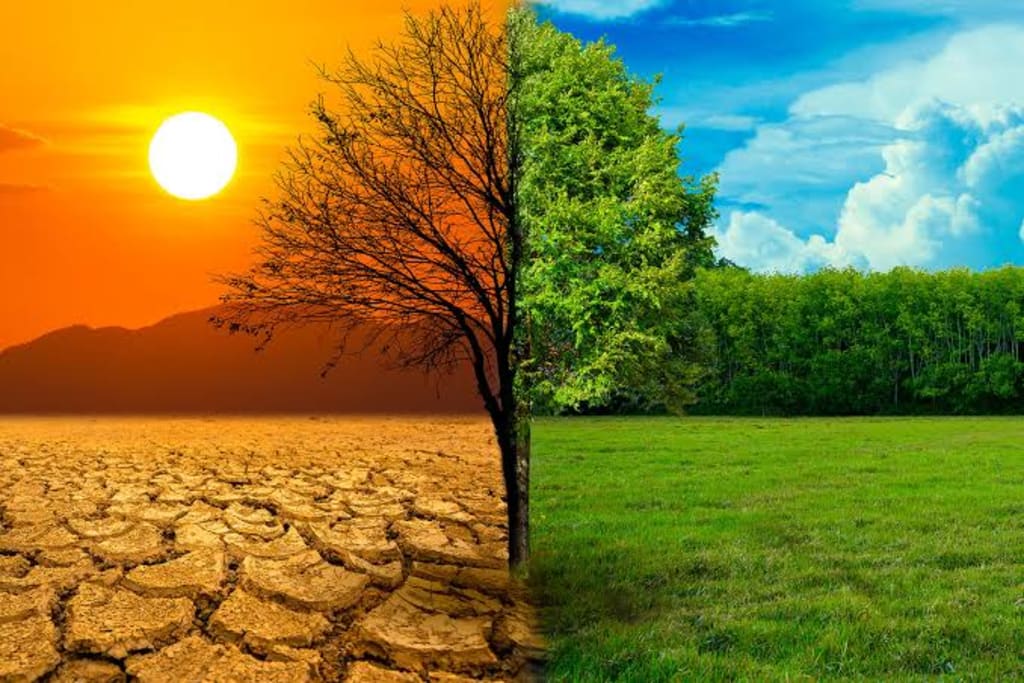
We facing existential threat from climate change, which has the ability to permanently harm our environment. In the form of extreme weather, sea level rise, and record-breaking temperatures, climate change's effects are already being felt on a global scale.

Climate change is a global environmental issue that is caused by human activities such as the burning of fossil fuels, deforestation, and industrial processes. The earth's temperature is increasing at an unprecedented rate, resulting in a range of environmental consequences. In this article, we will explore the impact of climate change on the environment
Maybe one of the most obvious effects of climate change is the rise in sea levels. Sea levels are rising as a result of glaciers and ice caps melting as the earth's temperature rises. This may cause coastal floods, erosion, and the destruction of marine animals' habitats. Ecological collapse and biodiversity loss are two outcomes that might result from habitat loss in an ecosystem.
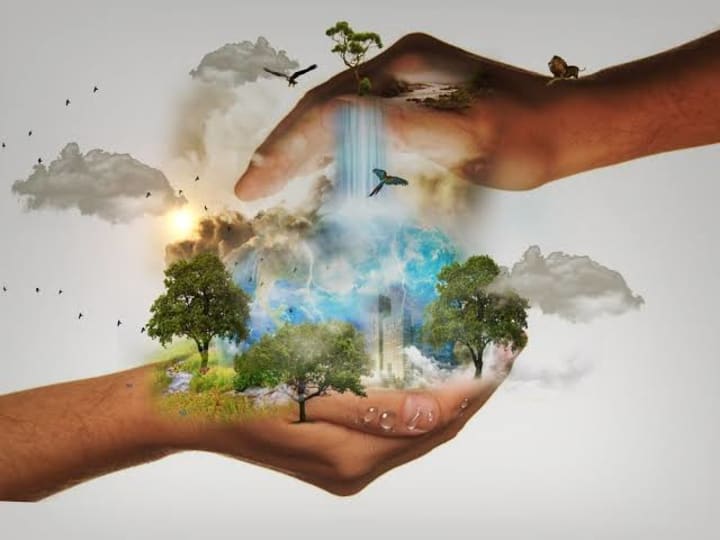
One further effect of climate change is extreme weather. More frequent and severe droughts, wildfires, hurricanes, and floods are having catastrophic effects on ecosystems and human societies. Crop failures, food shortages, and population displacement may result from these occurrences.
Moreover, habitat degradation and species extinction are being brought on by climate change. Some species are unable to adapt when temperatures rise, resulting in habitat loss and extinction. This may cause ecosystems to collapse and lose biodiversity as a result of a cascading impact. The food chain and the health of an ecosystem as a whole can be greatly impacted by biodiversity loss.
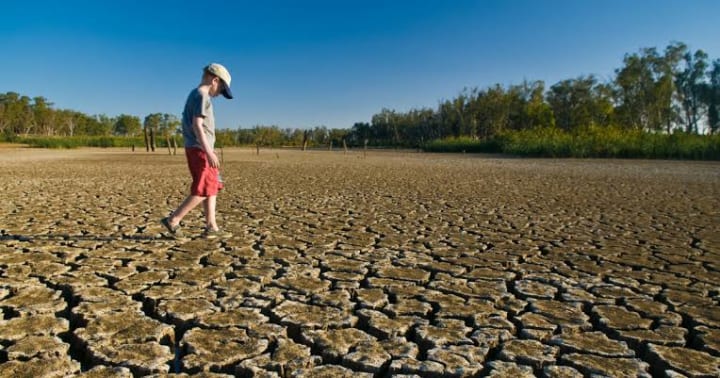
Ocean acidification is a serious consequence of climate change. The seas get increasingly acidic as carbon dioxide is absorbed into them, which can have a big influence on marine ecosystems. This may cause fish populations to drop, which might have a huge effect on the fishing sector, as well as the destruction of coral reefs, which provide a habitat for many marine animals.

Climate change also has an effect on air pollution. Heart disease, respiratory disorders, and other health problems can be brought on by poor air quality. The burning of fossil fuels, which also adds to greenhouse gas emissions, is the main cause of air pollution
We must adopt a broad and multifaceted strategy to combat climate change. In addition to reducing greenhouse gas emissions, we also need to maintain and restore natural ecosystems, advance sustainable agriculture, and raise public understanding of the effects of climate change. To address this urgent global challenge and move towards a more sustainable and resilient future, we must take immediate action.
What Can We Do to Address Climate Change?
1.Reduce Emissions: One of the most effective ways to address climate change is to reduce greenhouse gas emissions. This can be achieved by switching to renewable energy sources, reducing energy consumption, and reducing reliance on fossil fuels.
2.Protect and Restore Ecosystems: Protecting and restoring natural ecosystems can help to mitigate the impact of climate change. This can include protecting forests, wetlands, and other natural habitats, as well as restoring degraded ecosystems.
3.Shift to Sustainable Agriculture: The agriculture sector is a significant contributor to greenhouse gas emissions. Shifting to sustainable agriculture practices, such as regenerative farming, can help to reduce emissions and promote sustainable land use.
4.Increase Awareness and Education: Educating people about the impact of climate change and the steps they can take to address it is essential. This can involve increasing awareness through media campaigns, educational programs, and community outreach.
A worldwide response is necessary to the complicated and diverse problem of climate change. In order to lessen the effects of climate change on the environment, immediate action is required. We can contribute to a more sustainable and resilient future by lowering greenhouse gas emissions, preserving and repairing ecosystems, supporting sustainable agriculture, and raising public awareness and education. We must take immediate action to address this urgent global issue.We must take care of this thing.
About the Creator
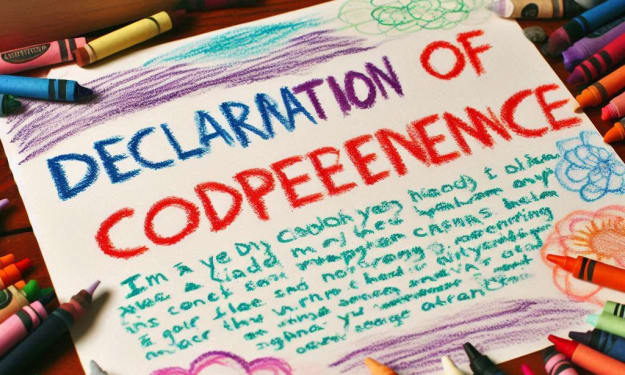
A Historic Declaration
We the People of the Husbands of the United States of America, in Order to form a more perfect Union, and I mean you...with me...establish Justice, insure domestic Tranquility, provide for the common defence, promote the general Welfare, and secure the Blessings of Liberty to ourselves, after Puberty, do ordain and establish this Declaration of Co-Dependence.
By Gerard DiLeo6 days ago in Humans
Lifestyle Adjustments That Improve Communication In Long-Term Relationships
This is because, in long-term relationships, the partners fail to communicate with each other at will. Emotional distance may be developed due to a busy schedule, work pressure, and family commitments. John Gottman, a researcher specializing in relationships, stresses the importance of checking in with each other on a daily basis because it builds stronger bonds and helps minor problems not to escalate into hatred. Even brief discussions sharing of emotional, experience, and concern bring understanding. The daily check-ins will keep the partners in touch with each other emotional conditions and will strengthen intimacy and trust.
By Steve Waugha day ago in Humans
Review of 'Man on the Run'
My wife and I saw Man on the Run, a nearly 2-hour documentary on Amazon Prime, about Wings, Paul McCartney's group that flew around the world from shortly after The Beatles broke up in early 1970 to shortly after John Lennon was murdered at the end of 1980, making a Beatles reunion forever impossible.
By Paul Levinson4 days ago in Beat



Comments
There are no comments for this story
Be the first to respond and start the conversation.