
Chuck Mangione’s Net Worth at Death — Inside the Jazz Legend’s Fortune and Fame
Chuck Mangione, the jazz icon behind “Feels So Good,” passed away at 84. Here’s a look at how much he earned in his lifetime, where it came from, and how he built a legacy of both music and wealth.


When Chuck Mangione passed away peacefully on July 22, 2025, the world didn’t just lose a legendary jazz musician — it lost a man who quietly built one of the most successful crossover careers in the music industry. Best known for his Grammy-winning instrumental hit “Feels So Good,” Mangione carved out a unique space in jazz, pop, and television culture. But behind the fame and flugelhorn, fans are now asking: how much was Chuck Mangione actually worth when he died?
The answer might surprise you.
Estimating Chuck Mangione’s Net Worth
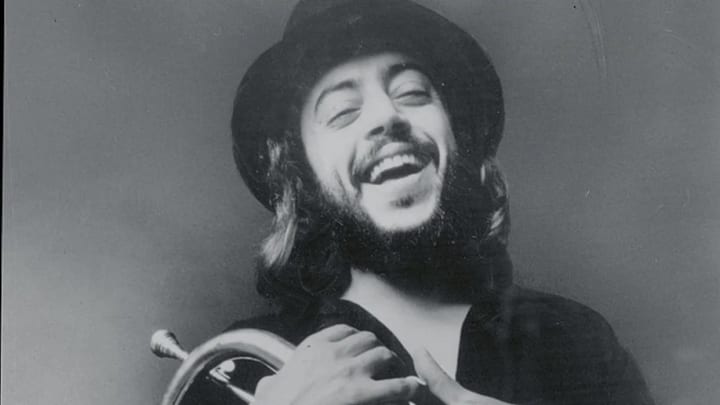
At the time of his death, Chuck Mangione’s net worth was estimated to be between $10 million and $15 million. While exact figures vary based on sources and unlisted assets, there’s little doubt that Mangione built a solid fortune over the decades — largely thanks to a combination of music royalties, touring, licensing deals, and television appearances.
Unlike many one-hit wonders or fading stars, Mangione’s income didn’t dry up. In fact, “Feels So Good” alone provided a steady stream of royalties for more than 45 years — a rare feat in any genre, let alone jazz.
How Did Chuck Mangione Make His Money?

Let’s break it down.
🎶 1. Music Royalties & Album Sales
Mangione released over 30 albums throughout his six-decade career. With multiple Grammy nominations and two wins, his catalog remained popular among both jazz lovers and casual listeners. His biggest hit, Feels So Good (1977), reached No. 4 on the Billboard Hot 100 and became a gold-certified classic.
That single alone earned millions over the years through:
- Radio plays
- Album and digital sales
- Streaming platforms
- Sync licensing in movies, ads, and shows
Mangione also composed music for two Olympic Games: “Chase the Clouds Away” (1976) and “Give It All You Got” (1980). These compositions were used on national broadcasts, adding to his long-term licensing income.
🎷 2. Live Performances & Tours
During the height of his career in the 1970s and 1980s, Mangione toured extensively. Known for his passionate live shows and emotionally rich performances, he sold out concert halls across the U.S., Europe, and Asia. Ticket sales and merchandise from these tours were a major source of income.
Even into his later years, Chuck made occasional special appearances, often commanding high performance fees as a jazz legend.
📺 3. Pop Culture Cameos — Especially King of the Hill
Younger generations may remember Chuck Mangione as the flugelhorn-playing character from King of the Hill. He voiced himself in multiple episodes, often comically appearing to play — what else — “Feels So Good.”
These cameos were not only nostalgic but profitable. He earned additional income through licensing his likeness and music to the show, boosting both his visibility and relevance well into the 2000s and beyond.
🏡 4. Real Estate and Investments
While not much is publicly known about Mangione’s investment portfolio, he lived modestly in Rochester, New York — his hometown — for most of his life. It’s likely that he held long-term real estate investments and personal assets that contributed to his final net worth.
His low-profile lifestyle meant less financial drama and more financial stability — something many celebrities struggle to maintain.
Fame, Fortune, and Fulfilment

Chuck Mangione didn’t flaunt his wealth. He wasn’t seen in tabloids or luxury magazines. Instead, he invested his time in music, teaching, and community. He remained involved with the Eastman School of Music, where he once studied and later led the jazz ensemble.
He wasn’t just chasing money — he was building a legacy.
His humility, coupled with his immense talent, allowed him to maintain a long, respected career without burning out or fading into obscurity.
A Final Note on Legacy
Today, Chuck Mangione’s music lives on — not just in Spotify playlists or YouTube tributes, but in the hearts of those who found peace in his melodies. His death may mark the end of an era, but his songs continue to generate income, respect, and inspiration.
He made the world feel so good — and built a fortune doing it, without ever losing his soul.
About the Creator
Keep reading
More stories from Bevy Osuos and writers in Humans and other communities.
Jazz Icon Chuck Mangione Dead at 84 — The Truth Behind His Sudden Passing
The world has lost a musical legend. Chuck Mangione, the jazz icon who transformed smooth jazz into a global sensation with his soulful horn and unmistakable melodies, has died at the age of 84. Known best for his timeless hit “Feels So Good,” Mangione passed away peacefully in his sleep on July 22, 2025, at his home in Rochester, New York.
By Bevy Osuos6 months ago in Humans
Lost and Alone in the French Alps
Looking back, I can trace some of my life’s biggest adventures to a simple action from my sister. She’d introduced me to Tommy (a very long time ago), a colleague of hers, who had overshared his penchant for Italian-looking women, and I ticked that box.
By Chantal Christie Weiss20 days ago in Humans


Comments
There are no comments for this story
Be the first to respond and start the conversation.