

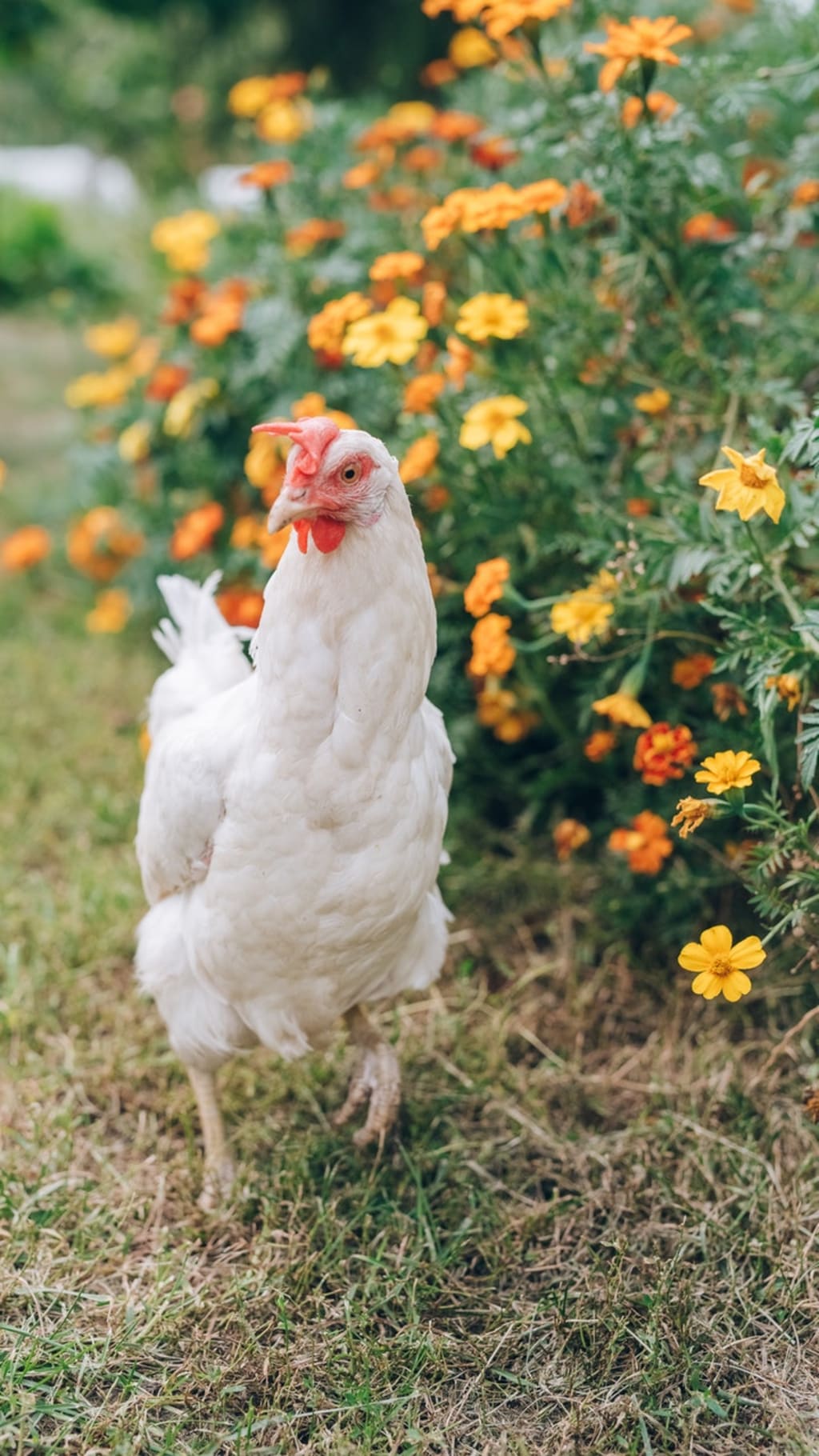
When I was in high school, students were required to fill a few elective credits by participating in a weekly home economics class. Or, more accurately, all high school girls were required to fill elective credits with home economics. Boys had a required weekly “shop” class. To this day, I am still amused by the oxymoron of being required to take a specific elective class. However, this is just one of the many aspects of my time in a small town church-run high school that still fails to make any sense to me.
During home economics class, girls learned about activities that our instructors assumed would be important for us to know when we finished high school. These classes included such essential topics as “How to Sew a Dress,” “How to Fold a Fitted Sheet,” and “How to get Good Deals on Baking Essentials at the Grocery Store by Using Paper Coupons.” The boys’ shop class covered skills that were considered important for high school boys, such as “How to Build a Canoe,” “How to Disassemble and Reassemble Important Car Parts,” and “How to Build and Sell Cabinets.” I always secretly wished I could learn how to build usable watercraft instead of how to fold bedding, but boys and girls participating in the same required elective class was quite forbidden. However, nothing made me want to channel my inner Mulan and chop off my hair with a sword, make friends with a small red dragon, and join the army of men participating in shop class more than one particular day in home economics class.
At the beginning of this class, we were told that we would be taking a small field trip to a nearby farm. We were not told what exactly the day’s home economics lesson would bring, but we were told to bring a change of old clothes that could be stained and old grocery bags with no holes in them, and two pieces of string that could be tied around each ankle. Naturally, this list raised some questions in my mind.
When we arrived at the farm - which was not so much a “farm” as it was a large yard with a bunch of chickens roaming freely - we were told to change into our old clothing, and to pull the grocery bags over our shoes and tie them around our ankles. Then, as we donned old, stained clothing and grocery-bag slippers, we were told to pair up, and in pairs, choose and catch a chicken. I learned very quickly that it is both incredibly difficult and absolutely terrifying to try to catch a chicken who doesn’t want to be caught. My classmate who I was paired with caught the chicken while I moved around nearby, trying to pretend I was participating.
Finally, we were told our task for the day. Each pair of students would be butchering the chicken we had just caught. This was not ideal, as I had just chosen a name for our chicken and I felt like the chicken and I were slowly becoming friends. Now I had to butcher Charlie the Chicken?
One of us, we were told, would be responsible for beheading the chicken, and the other would be responsible for stripping its feathers and removing all the bits from inside it. I did not want to do either of these things, I told the instructor. But it was already decided that I would behead Charlie. I was given large gloves and an axe, and my classmate held the chicken down, while I was tasked with using the axe to do unspeakable things to Charlie’s neck. I couldn’t do it. Every time I raised the axe, I would make eye contact with Charlie and feel her pleading with me to spare her life. So, my classmate and I traded places, and I held Charlie down.
As it turned out, I couldn’t do that either. I felt so awful holding Charlie down and preventing her from escaping and living her best chicken life that the instructor had to take over for me, while I stood nearby and pretended I was participating.
Eventually, though, Charlie was beheaded and ready for butchering. I was told that since I was unable to “adequately participate” in the beheading process, I would be taking the lead in the de-feathering process. Unsurprisingly, this ended up proving difficult as well. The whole area smelled like dead birds, and the feathers made such a disturbing “pop” as I pulled them out of the chicken’s skin, that after removing approximately two feathers, I had to walk away, “to go get...something,” I said. In the end, my classmate and the instructor finished removing Charlie’s feathers, while I stood some distance away and pretended I was participating.
It may be easy to guess what happened when it came time to pull out the organs and guts and other inside bits from Charlie’s lifeless (and now featherless) body. I couldn’t do it. I felt like a terrible person, violating Charlie’s autonomy like that. She had never consented for me to cut her open and shove my gloved hands inside and harvest her organs! So, again, my classmate and the instructor finished the job as I wandered off and realized there was no longer any point to even pretending I was participating.
By the end of the day, I was truly exhausted, which may be surprising given how little I actually participated in the day’s activities; however, the emotional toll that being complacent in the death and violation of my chicken friend Charlie took on me should not be underestimated. I did learn one thing from the day, though. You can dodge a lot of unpleasant responsibility if you just stand nearby and pretend you’re participating.
About the Creator
Wild Card Weekend Recap: What Happens Now?
I think I figured out why I love Wild Card Weekend so much. It's because it's the first playoff anything of the calendar year. The NFL season starts in the fall, and once upon a time, the champion was crowned either on or slightly before New Year's. The evolution of the NFL schedule has resulted in the playoffs starting just into the New Year, and currently, the final week of the season falls on the first weekend of the New Year, with Wild Card Weekend coming a week after that. So yes, chronologically, the NFL's Wild Card Weekend serves as the first playoff anything of the calendar year.
By Clyde E. Dawkins6 days ago in Unbalanced



Comments
There are no comments for this story
Be the first to respond and start the conversation.