
Carl Jung's Theory of Synchronicity: The Intersection of Spirituality and Personal Meaning

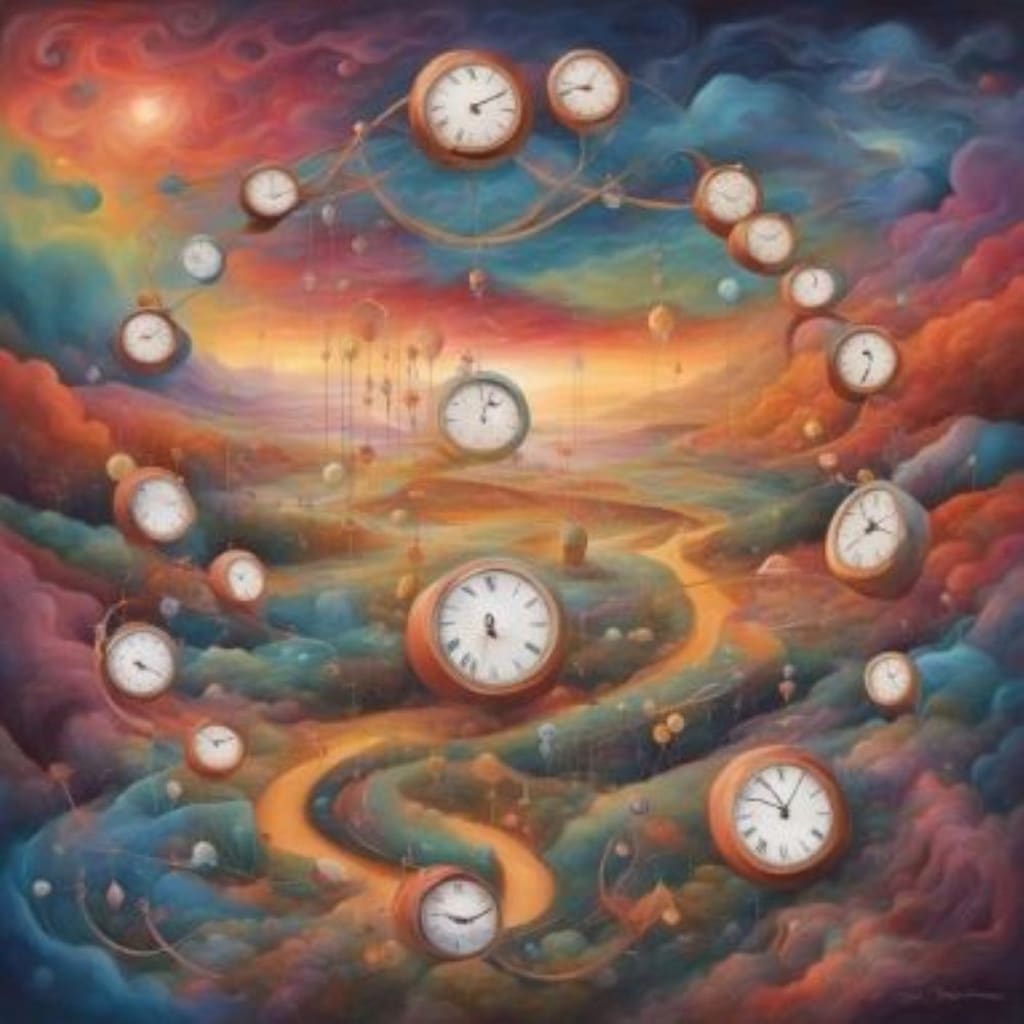
In the realm of psychology and spirituality, few concepts have captivated minds like Carl Jung's theory of synchronicity. This idea posits that events are meaningfully related, transcending mere coincidence. Jung proposed that these occurrences reflect the psychic interconnectedness of the universe and serve as significant markers on an individual's spiritual journey. Throughout this analysis, we will explore the intricacies of synchronicity, its psychological implications, and its connection to spiritual life, fostering a deeper understanding of how these concepts can enrich our existential experience.
---
1. Understanding Synchronicity
1.1 Definition and Origins
Carl Jung first introduced the term "synchronicity" in the 1950s, offering it as a principle that explained meaningful coincidences. Jung (1960) described synchronicity as an "acausal connection principle," wherein two or more events occur simultaneously and meaningfully, even though they are causally unrelated.
Jung was fascinated by the spiritual implications of synchronicity and its ability to provide individuals with profound existential significance. He saw these experiences as reflections of the unconscious and manifestations of an interconnected universe, suggesting that they guide individuals toward deeper understanding and personal growth.
Key Characteristics of Synchronicity:
- Meaningful Coincidence: Synchronicity often involves events that resonate with personal significance, prompting introspection and revelation.
- Acausal Connection: Unlike causative events that can be traced logically, synchronistic events stand apart, suggesting an underlying order beyond the observable.
- Psychological Resonance: Jung believed that these events often correspond to an individual's psychological state or inner processes, acting as messages from the unconscious.
---
2. Theoretical Foundations of Synchronicity
2.1 Jung's Background
To fully appreciate Jung's theory of synchronicity, it is essential to consider his background in psychology, philosophy, and spirituality. Jung was influenced by various fields, including mythology, alchemy, religion, and depth psychology. His belief in the collective unconscious—a storehouse of archetypes and universal experiences—shaped his understanding of synchronicity as a connection between the individual psyche and the larger cosmos.
2.2 The Collective Unconscious
The collective unconscious is a cornerstone of Jungian psychology and explains how shared cultural symbols and experiences arise across humanity. Jung (1968) proposed that synchronicity operates within this framework, suggesting that when a person encounters a synchronistic event, they are tapping into a universal narrative that transcends their personal experiences.
For instance, an individual may experience a profound personal loss, and soon after, encounter symbols in their daily life—like rainbows or songs—that echo their internal process of grief. These occurrences can act as validation, providing comfort and insight during challenging times.
---
3. Synchronicity in Spiritual Practice
3.1 Spiritual Awakening
The connection between synchronicity and spiritual awakening may be profound. For many, these meaningful coincidences serve as catalysts for transformation, prompting individuals to reevaluate their beliefs, choices, and paths in life.
Consider a person who feels lost and seeks direction. One day, they meet someone who shares insight on a topic they’ve been pondering. This unexpected encounter aligns perfectly with their questions and aspirations, igniting a sense of purpose. Such synchronistic events are often seen as “signs” or “messages” affirming one’s spiritual journey.
3.2 Facilitating Intuition and Insight
Jung’s perspective emphasizes that synchronicity can enhance intuition. It encourages individuals to listen more attentively to their inner voices and the world around them, fostering a deeper connection to the universe. Engaging with synchronistic events can help one cultivate a heightened sense of awareness, leading to fresh insights and revelations about oneself and one's spiritual beliefs.
A classic example is the “synchronistic dream.” One might dream of a long-lost friend, only to receive a call from them the next day. Such dreams serve as prompts to reconnect with old relationships, deepening one’s understanding of personal ties and shared experiences.
---
4. The Role of Archetypes in Synchronicity
4.1 Archetypal Symbols
Jung’s concept of archetypes—universal symbols ingrained in the collective unconscious—plays a pivotal role in understanding synchronicity. These archetypes manifest in artistic expressions, myths, and personal experiences, resonating with individuals on a deep emotional level.
Depending on the emerging archetypal theme, an individual may interpret a synchronistic event differently. For example, encountering the archetype of "The Hero" might prompt one to examine their courage in facing challenges, while meeting "The Wise Old Man" could inspire introspection about the guidance they seek in their spiritual path.
4.2 Personal and Collective Interpretations
While the individual interpretation of synchronicity varies significantly and is often personalized, the collective interpretation remains steadfast. This duality highlights the interplay between personal experiences and universal truths. The journey of deciphering the meaning of synchronistic events can guide individuals toward understanding their place within the larger cosmic tapestry.
---
5. Real-life Applications of Synchronicity
5.1 Everyday Examples
Synchronicity manifests in numerous ways in daily life. Some common examples include:
- Dreams: Many individuals report experiencing dreams that align perfectly with a later event. This ability to foresee or connect the future to their dreams serves as a form of guidance, reassuring them that they are on the right path.
- Recurring Symbols: Seeing repeated symbols—like feathers or an animal—might signify a call to explore particular aspects of one’s psyche or guide the individual in making decisions aligned with their spiritual aspirations.
- Meeting People: Encountering individuals who reflect certain aspects of one's life—be it a teacher, a fellow traveler, or even a stranger—often serves as an opportunity to learn more about oneself and one's journey.
5.2 Enhancing Spiritual Practices
Encouraging mindfulness, awareness, and reflection can enable individuals to recognize and appreciate synchronistic events. Incorporating elements such as meditation, journaling, and dream analysis can enhance one's connection to synchronicity and foster spiritual growth.
- Meditation: Regular mindfulness practice can enhance recognition of synchronistic events, allowing individuals to tune in to their unconscious and their surroundings.
- Journaling: Keeping a journal to document synchronicities can help identify patterns and themes that emerge over time, providing insight into personal development.
- Dream Analysis: Engaging with dreams and interpreting symbolic meanings can deepen one’s understanding of the subconscious mind and synchronize it with spiritual growth.
---
6. Synchronicity and Mental Health
6.1 Psycho-Spiritual Benefits
The experience of synchronicity not only enhances one’s spiritual life but also offers numerous psychological benefits. Acknowledging these events can inspire individuals to cultivate hope and resilience, reinforcing their emotional well-being in challenging times.
- Validation of Experience: The acknowledgment of synchronistic events can help individuals feel that their experiences are valid, promoting a sense of belonging and emotional support.
- Enhanced Coping Mechanisms: Recognizing these events allows for better coping strategies during difficult periods, as individuals may draw insights from synchronistic experiences.
6.2 Navigating Life Transitions
Individuals navigating significant life transitions—such as career changes, family decisions, or existential crises—often encounter synchronous events that guide them. These moments can help individuals feel aligned with the universe, reducing anxiety and fostering a sense of security.
For instance, a person contemplating a career shift may come across articles and discussions inadvertently aligning with their desired path, reinforcing their decision to follow a new direction.
---
7. Challenges in Integrating Synchronicity
7.1 Misinterpretation and Over-Attribution
Not all synchronistic experiences possess inherent meaning, and individuals may fall prey to misinterpretation or over-attribution. This can lead to an unhealthy reliance on external signs as determinants of one’s path.
Jung himself cautioned against overemphasizing synchronicity, noting the importance of critical self-reflection to determine whether these events offer genuine insight or simply reflect internal biases.
7.2 The Risk of Magical Thinking
Individuals captivated by synchronicity may also risk slipping into magical thinking—a belief that one’s thoughts or actions directly influence outcomes. While synchronicity can inspire hope and wonder, it is crucial to maintain a grounded perspective by recognizing the distinction between coincidence and willful influence.
---
8. Conclusion
Carl Jung's theory of synchronicity invites us to engage in the complexities of life through an interconnected lens. By recognizing meaningful coincidences woven throughout our spiritual and personal journeys, we can foster a deeper understanding of ourselves and the world around us.
Embracing synchronicity as a guiding force can enrich our spiritual lives, enhance our emotional well-being, and provide inspiration during times of uncertainty. Ultimately, the cultivation of synchronicity forms the framework for deeper self-discovery, allowing individuals to navigate life’s intricacies with heightened awareness and confidence—a journey marked by shared experiences, personal meaning, and the timeless dance of the universe.
---
References
1. Jung, C. G. (1960). Synchronicity: An Acausal Connecting Principle. Princeton University Press.
2. Jung, C. G. (1968). Psychological Types. Princeton University Press.
3. McGuire, W. (1974). The Life and Work of Carl Jung. Princeton University Press.
4. Joshi, M. (2015). The Quantum Psychology of Carl Jung. Journal of Analytical Psychology, 60(5), 651-668.
5. Hinton, A. (2012). Synchronicity and Meaningful Coincidence: Backup for the Mind’s Journey. Journal of Transpersonal Psychology, 44(1), 43-63.
6. Henderson, J. (1972). The Psychology of Carl Jung. New York: Harper and Row.
7. Wolman, B. B. (2001). The Scientific Study of Clinical Hypnosis: Jung’s Legacy and the Future. International Journal of Clinical and Experimental Hypnosis, 49(1), 7-15.
---
This analysis provides a foundational exploration of Carl Jung’s concept of synchronicity and its profound implications for spiritual lives. It encompasses various dimensions of understanding, from psychological significance to practical applications, underscoring the intricate relationship between the psyche and the universe.
About the Creator
Julie O'Hara - Author, Poet and Spiritual Warrior
Thank you for reading my work. Feel free to contact me with your thoughts or if you want to chat. [email protected]
Keep reading
More stories from Julie O'Hara - Author, Poet and Spiritual Warrior and writers in Humans and other communities.
Quantum Immortality and Reincarnation: Exploring the Intersection of Science and Spirituality
For centuries, humanity has been fascinated by the concepts of life after death, the soul, and what occurs when we take our final breath. Two intriguing, albeit distinct, theories addressing this mystery are quantum immortality and traditional reincarnation. While quantum immortality arises from the realm of physics, particularly the many-worlds interpretation of quantum mechanics, reincarnation is deeply rooted in various spiritual and religious traditions. This article delves into the similarities and overlaps between these two thought systems, examining how each grapples with the notion of existence beyond our perceived mortality.
By Julie O'Hara - Author, Poet and Spiritual Warrior3 months ago in Humans
The CEO of Everything
They say "jack of all trades, master of none," but they forgot to mention the part where the jack of all trades is also the camera woman, the makeup artist, and the person currently yelling at a tangled Wii microphone cable in a her own bathroom while recording herself singing and trying to make it look realistic and professional. (As professional as you can make it with nothing but a cell phone camera and a mic that doesn't work)
By Sara Wilson6 days ago in Humans
Coming Out as Trans
Six years ago I had a well meaning therapist try to point out to me that I should take a look within myself and see how I feel about my gender orientation. He said this due to a year of me unloading all of my issues and insecurities onto him and a pattern that he recognized within my stories that I personally did not, and would not for another four years.
By Shiloh Madison5 days ago in Humans
Rachel Reviews: The Spiral Archive by Pieter Hendrik
It's difficult for me to know where to start with a review of this book as it was, for me, an entirely unique experience and one that I'll probably never have again. I don't want that to be interpreted as unenjoyable but it has left me scratching my head a little and ruminating on its content, its themes and its characters.
By Rachel Deeming6 days ago in BookClub


Comments
There are no comments for this story
Be the first to respond and start the conversation.