
Cardiologist Warns Of 'Silent killer' Symptom Women Shouldn't Ignore As It's 'Easily Missed'
The Importance of Early Detection and Research on Heart Disease in Women

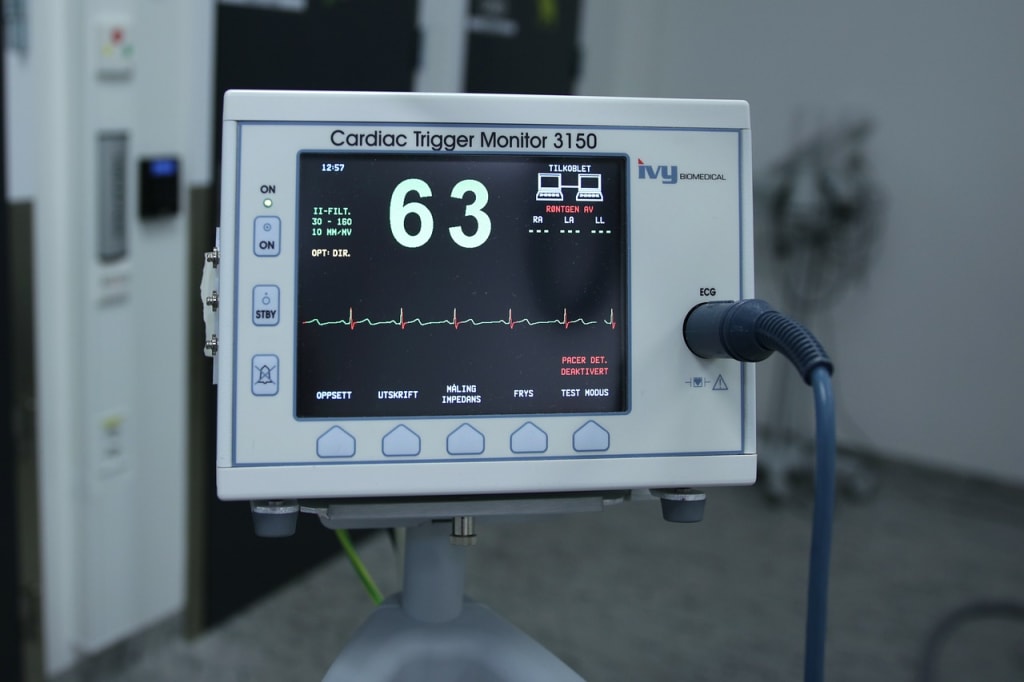
A leading cardiologist has raised alarm about a symptom that many women overlook, calling it a “silent killer” that can often be easily missed. Heart disease, particularly in women, can present itself in ways that are subtle and non-specific, making it harder to identify in its early stages. One of the most commonly disregarded signs of heart issues is fatigue. While feeling tired now and then is part of life, unexplained and persistent fatigue can be a red flag for cardiovascular problems.
For many, fatigue may seem like a harmless or common condition, linked to overwork, stress, or lack of sleep. However, doctors warn that when this fatigue is coupled with other factors like shortness of breath, lightheadedness, or a general feeling of weakness, it could indicate something much more serious. The issue lies in the fact that women often experience heart problems differently from men. While chest pain is often cited as a hallmark symptom of a heart attack, women are more likely to have less obvious signs, such as nausea, dizziness, or unexplained exhaustion.
The condition is also linked to a higher risk of developing heart disease later in life. Conditions such as high blood pressure, high cholesterol, or diabetes are often linked to increased chances of heart disease. The difficulty is that these conditions can often go unnoticed until they become severe, which is why early detection is so crucial. Women, in particular, may have more unique symptoms that doctors sometimes dismiss or misinterpret, which could delay critical intervention.
This problem is compounded by the fact that women tend to prioritize family and career over their own health. Busy schedules, caregiving responsibilities, and societal expectations all contribute to women neglecting their own physical warning signs. Many women may also be more reluctant to seek medical help or to be vocal about symptoms, not wanting to burden others or feeling that their concerns are not important. As a result, by the time they seek help, the heart condition may have progressed to a more advanced stage.
Another significant concern is that the risk factors for heart disease in women may be linked to gender-specific conditions. For example, pregnancy-related complications, such as preeclampsia or gestational diabetes, can increase the risk of heart disease later in life. Hormonal changes, particularly those associated with menopause, also play a significant role in increasing the likelihood of developing heart problems. Estrogen, which declines during menopause, has a protective effect on the heart, and as its levels drop, the risk of heart disease rises.
The problem is further exacerbated by the fact that women are often underrepresented in heart disease research. Historically, medical research has focused more on male populations, and as a result, much of what is known about heart disease has been based on data from men. This means that many of the warning signs and treatment options for heart disease may not fully account for the experiences of women. In recent years, however, there has been a shift towards more inclusive research, with increasing efforts to understand how heart disease affects women differently and what can be done to prevent it.
Health professionals urge women to listen to their bodies and seek help if they experience any unusual or persistent symptoms. Regular check-ups with a primary care provider are crucial for managing risk factors and identifying potential issues before they escalate. Women should also be mindful of their heart health by maintaining a healthy diet, staying active, and avoiding smoking or excessive alcohol consumption. While it may be easy to dismiss fatigue and other subtle symptoms, the consequences of doing so could be life-threatening.
In conclusion, heart disease remains the leading cause of death among women, but it is often under-recognized and under-treated. Fatigue, which many women consider to be a normal part of life, can be a crucial warning sign that should never be ignored. By recognizing the risk factors and listening to their bodies, women can take proactive steps toward better heart health, potentially saving their lives in the process.
About the Creator
5 Ways To Tell If Your Diet Is Healthy
A healthy diet is crucial for maintaining overall well-being, as it provides the necessary nutrients and energy to the body. But how can you determine if your diet is actually contributing to your health or if it’s falling short? Understanding the signs that indicate a healthy diet can help you make informed choices for a better lifestyle. Here are five ways to tell if your diet is truly healthy.
By zulfi buxabout a year ago in Motivation
The Unexpected Guardian
A Fragmented Life in a Foreign Land The city was a blur of unfamiliar sights and sounds for the young Chinese student. He had arrived in Germany, like countless others, with dreams of education and a brighter future, yet found himself navigating the universal challenges of an international student: language barriers, cultural shocks, and the quiet ache of loneliness. His initial lodging was modest, a room in an old, somewhat dilapidated house owned by an elderly German man.
By Linda Yule4 days ago in Humans




Comments (3)
Good article... society has made being overworked and exhausted a sort of virtue, awarding a badge of honor to workaholics. It's sad really, because people are given priority for resting.
Valuable information, thanks for sharing
Informative article! Keep sharing 💕