
Cancer Prevention and Mental Wellbeing: Can Mushrooms Help?
A Clear Look at Mushrooms, Health, and Modern Research

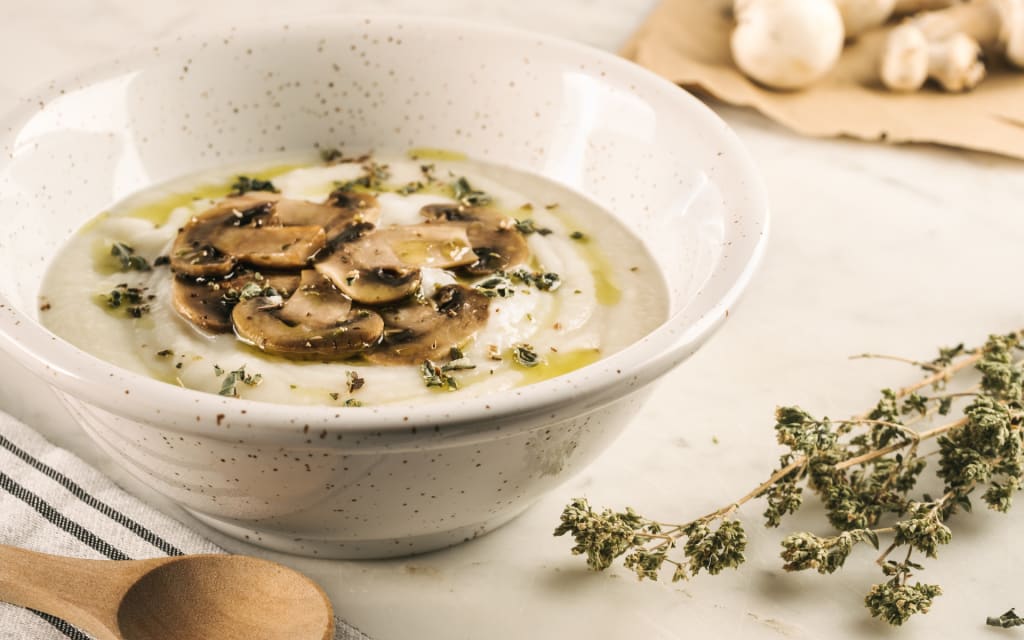
What Science Really Says About These Powerful Fungi?
Remember when your grandma swore mushroom soup could cure anything? Well, she wasn't entirely wrong. Scientists have been studying mushrooms lately, and what they're finding is pretty incredible. Some of these fungi might actually help cancer patients during treatment and could even tackle depression. Let me walk you through what researchers discovered recently.
The Cancer Research That's Making Headlines
So get this, researchers at City of Hope just cracked something important about white button mushrooms and prostate cancer. Back in November 2024, they found that taking white button mushroom pills reduced myeloid-derived suppressor cells (MDSCs). Why does that matter? These cells have been linked to how cancer develops and spreads.
And we're not talking about some fancy exotic mushroom here. Just regular white button mushrooms from the grocery store. When they looked at blood samples from men who'd been taking mushroom supplements for 3 months, they found fewer tumor-promoting MDSCs and more anti-tumor T cells and natural killer cells.
What about other mushrooms?
Canadian researchers got really excited about maitake extract. In their early trials, the stuff killed 70% of cancer cells, which is actually 10% better than Taxol and cisplatin, which are two chemo drugs doctors use all the time. Plus, fewer nasty side effects.
Turkey tail has been used in Japan for years alongside chemo. The studies suggest it might help repair immune cell damage caused by chemo and boost your immune system overall.
Then there's Chaga. A 2024 study showed that Chaga extract stops oral cancer cells from growing by messing with their energy metabolism and triggering something called autophagy-mediated cell death. Basically, it makes cancer cells self-destruct.
But hold on a second
The FDA hasn't approved any of these mushrooms as cancer treatments in the US. Dr. Xiaoqiang Wang, who's doing this research, warned that people are buying mushroom products online without FDA approval. Without proper monitoring, you have no clue what concentration you're actually getting.
What scientists are actually saying: these medicinal mushrooms might give your immune system a boost during cancer treatment. They're not going to replace chemo or radiation. Think of them more like backup players, not the star quarterback.
Mental Health: Why Everyone's Talking About Magic Mushrooms
This is where it gets wild. Magic mushrooms, or more specifically, the psilocybin compound in them, are being seriously researched for depression and anxiety.
Johns Hopkins made some waves with their research. In their double-blind study, most people dealing with cancer-related anxiety or depression got major relief for up to six months after just one large dose of psilocybin.
NYU had similar results. When they combined psilocybin with therapy, people saw big drops in anxiety, depression, obsessive thoughts, anger, and physical symptoms tied to stress. And these improvements stuck around for six months.
So how does this actually work?
Psilocybin hits specific serotonin receptors in your brain. It's kind of like hitting reset on thought patterns that have become stuck. The compound targets the 5-HT2A receptor, which helps rewire brain connections that got messed up and contributed to depression.
Is it safe, though?
A 2025 meta-analysis from the University of Georgia looked at 528 participants across different studies. When psilocybin is given as a single therapeutic dose, the side effects are pretty similar to those of regular antidepressants: headaches, nausea, anxiety, and dizziness. But here's the thing: these side effects went away within 24 to 48 hours.
Benefits of Mushrooms: Breaking Down What Works
Regular mushrooms you eat (shiitake, button, maitake):
- Might support your immune system during cancer treatment
- Loaded with antioxidants, especially ergothioneine
- Could help calm down inflammation
- Penn State found that eating more mushrooms was linked to lower cancer risk
Medicinal mushrooms (reishi, lion's mane, cordyceps):
- May help you sleep better (reishi)
- Could support your brain and memory (lion's mane)
- Might give you a natural energy boost (cordyceps)
- Pretty safe with minimal side effects
Psilocybin (only in clinical settings):
- Looking promising for depression that won't respond to other treatments
- May help cancer patients dealing with anxiety
- Could help with addiction
- Needs professional supervision, don't try this at home
So, What Should You Actually Do?
If you're healthy, Just eat more mushrooms. Shiitake, maitake, oyster mushrooms, they're good for you and perfectly safe. One researcher basically said it can't hurt to throw more white button mushrooms into your regular meals.
If you're dealing with cancer, talk to your doctor before popping any mushroom supplements. Some of them can mess with your treatments. Turkey tail and other medicinal mushrooms might help, but they work with conventional treatment, not instead of it.
If depression's hitting you hard: Don't go buying psychedelics online. Psilocybin research takes place in controlled settings under the supervision of trained therapists. If you're curious, look for legit clinical trials in your area.
Watch out for: Sketchy online supplements making huge promises. Quality's all over the place, and nobody's really regulating this stuff properly. Stick with brands that actually do third-party testing.
Here's the Deal
Mushrooms aren't going to magically cure everything, but they're not just old wives' tales either. The research from 2024 and 2025 shows real possibilities, especially for supporting immune function during cancer treatment, providing antioxidant protection, and helping with stubborn mental health issues when used properly with supervision.
The catch? We need more studies. Most of the research so far has been conducted in Asia or with small groups. We need larger trials with diverse participants to really understand how mushrooms work across the board.
That said, the research is strong enough that major places like Johns Hopkins, City of Hope, and NYU are pouring millions into studying these fungi. Johns Hopkins Center for Psychedelic and Consciousness Research just got $55 million in funding to dig deeper into psychedelics for treating illness and improving wellness.
What's your next step? Stay curious, talk to your healthcare team, and don't believe every wild claim you see online. The science around medicinal mushrooms is moving fast, but we're not at the point where you should ditch real medicine for fungi alone.
But here's what I know for sure: mushrooms are getting serious attention from researchers and patients, and for good reason. These humble little fungi might become important tools in both cancer care and mental health treatment. We just need to be smart about how we use them.
Stay Curious with The Shroom Groove
Follow science-backed insights on mushrooms, health, and wellbeing, without the hype.
About the Creator
The Shroom Groove
Welcome to The Shroom Groove – where mushrooms meet mindful living.
We’re all about making functional wellness approachable with carefully curated mushroom products that support focus, energy, calm, and balance.
Start your groove here!
Keep reading
More stories from The Shroom Groove and writers in Humans and other communities.
The Hidden Magic of Growing Mushrooms at Home: A Step-by-Step Guide
The first time I tried growing mushrooms at home, I didn’t expect much. I assumed it would be complicated, messy, or one of those hobbies that look fun online but never work in real life. Instead, it turned into one of the most surprisingly calming things I’ve done indoors.
By The Shroom Groove18 days ago in Education
Bomb Scare
It was 2027, and the world never thought it would happen. A missle hit the United States, but it wasn't where they had anticipated. A little town in the northeast was hit by a missile strike, they didn't know why, and they didn't know exactly where it hit, but they did know it was a coastal community, somewhere between Maine and Delaware.
By Gregory Paytonabout 17 hours ago in Fiction



Comments (1)
I survived cancer twice and went to MD Anderson. I eat a lot of various types of Mushrooms and Fungi. I was stage 4 cancer, I found that maitake mushrooms are wonderful. I love Turkey Tai. and make Chaga tea. I try to buy real organic mushrooms, not dried mushrooms. I want to try Magic Mushrooms. I plan to become a Curandero because they use Magic Mushrooms as part of their initiations. I will go to Peru to become a Curandero or healer of Meso-American Shaman. Thank you so much for writing. this. I have studied this a lot. Blessings to you. Hugs to your heart. Blessings to you.