
"Blinking Through the Ages: Decoding the Intriguing Disparity in Blink Rates Between Babies and Adults"
The fact that babies only blink once or twice in a minute while an adult blinks at least 10 times at the same time.

Introduction:
The act of blinking, often taken for granted, is a dynamic and involuntary process that serves crucial functions for eye health and visual comfort. While adults blink at a relatively steady rate of at least 10 times per minute, the blink rate in babies is markedly different, with infants often averaging only one or two blinks in the same time frame. In this exploration, we delve into the fascinating world of blinking, deciphering the reasons behind the notable contrast in blink rates between babies and adults.
Chapter 1: The Blinking Mechanism
Blinking, a complex physiological process, involves the coordinated action of multiple structures in and around the eye. The eyelids, orbicularis oculi muscles, tear glands, and sensory nerves contribute to the intricate dance of opening and closing the eyes. The blink reflex is an essential protective mechanism that helps distribute tears, clear debris, and maintain the ocular surface.
Chapter 2: The Eyes of Infants: A World in Transition
The eyes of infants, in the early stages of development, undergo a myriad of changes as they adapt to the external environment. Unlike adults, babies are still fine-tuning their visual abilities, and their ocular structures are in a state of rapid maturation. The blink rate, a subtle but telling aspect of this developmental phase, reflects the evolving nature of their visual system.
Chapter 3: The Blink Reflex in Babies
Babies exhibit a lower blink rate compared to adults, a phenomenon attributed to the immaturity of their blink reflex. The blink reflex in infants is characterized by a slower response to environmental stimuli. As their sensory and motor systems continue to develop, the blink reflex gradually becomes more refined, aligning with the demands of their growing visual acuity.
Chapter 4: Vision Development and Blinking
Blinking in babies is intimately connected to the process of vision development. Infants navigate a world where every visual stimulus is a novel experience, and their eyes are constantly absorbing information. The controlled and deliberate blink reflex in babies may be a protective mechanism, preventing overstimulation as they explore the visual landscape around them.
Chapter 5: The Role of Environmental Stimuli
Babies, particularly newborns, experience the world through a lens of novelty. The environment is teeming with new sights, sounds, and sensations. The lower blink rate in infants can be attributed, in part, to the absorbing nature of their surroundings. As they become accustomed to familiar stimuli, the blink rate may gradually adjust, reflecting the acclimatization of their visual system.
Chapter 6: Emotional Expressions and Blinking
Blinking is not merely a physiological response; it also holds emotional and communicative significance. In adults, blinking rates can be influenced by emotional states, cognitive load, and social interactions. While the emotional expressions of babies may not mirror those of adults, their blink rates could convey subtle cues about their emotional responses and engagement with the world.
Chapter 7: Adaptive Blinking in Adults
In contrast to babies, adults blink at a higher rate, and this phenomenon is finely tuned to meet the demands of their visual and environmental experiences. The higher blink rate in adults helps distribute tears, prevent dryness, and maintain ocular health. Additionally, adult blinking is influenced by factors such as cognitive load, screen time, and environmental conditions.
Chapter 8: Blinking and Cognitive Load
The blink rate in adults is not static; it adapts to cognitive demands. Individuals engaged in tasks that require intense concentration, such as reading or using digital devices, may experience a decrease in blink rate. Understanding the interplay between cognitive load and blinking sheds light on the dynamic nature of this reflex across the lifespan.
Chapter 9: Blinking Aberrations: Disorders and Conditions
Blinking anomalies can manifest as symptoms of underlying conditions or disorders. In infants, abnormalities in the blink reflex may be indicative of neurological or developmental issues. In adults, certain conditions, such as dry eye syndrome or neurological disorders, can alter blink rates. Exploring these aberrations offers insights into the intricate connections between blinking and overall health.
Conclusion: Navigating the Blinking Spectrum
In conclusion, the blink rate serves as a dynamic marker that evolves across the human lifespan. The disparity between babies and adults in blinking rates unveils a narrative of growth, adaptation, and sensory maturation. As babies explore the world through developing eyes, their blink rates reflect the ongoing refinement of their visual system. In contrast, adult blinking, influenced by cognitive, emotional, and environmental factors, underscores the adaptability of this essential reflex. Navigating the blinking spectrum provides a unique lens through which to understand the intricate interplay between vision, development, and the multifaceted experiences of life.
About the Creator
Keep reading
More stories from fatima zahra ajankar and writers in Humans and other communities.
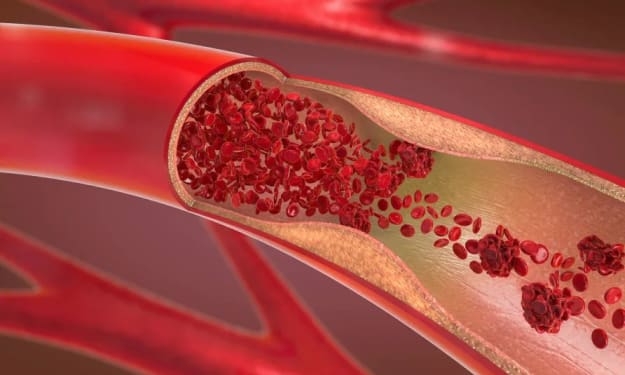
"Vascular Marvels: Navigating the Over 100,000 Miles of Blood Vessels in the Human Body".
Introduction: The human cardiovascular system, a complex network of blood vessels, serves as the vital circulatory highway that sustains life. While the heart is often recognized as the central orchestrator, the extensive web of blood vessels that crisscrosses the body is a marvel in itself. In this exploration, we embark on a journey through the intricate vascular landscape, unveiling the astounding fact that there are over 100,000 miles of blood vessels in the human body.
By fatima zahra ajankar2 years ago in Humans
Whiskey At Dusk
Guess the whiskey was more important to you in the end, wasn’t it? It was more than the well-being of your friends; more vital than showing up to the places you promised you would and could come to; more critical of a matter than fulfilling your damn responsibilities and getting the press off your back.
By Snarky Lisa2 days ago in Humans


Comments
There are no comments for this story
Be the first to respond and start the conversation.