
Biodiversity
As our society develops, we use more resources, which destroys the biodiversity of nature, but development also leads to better science and technology.

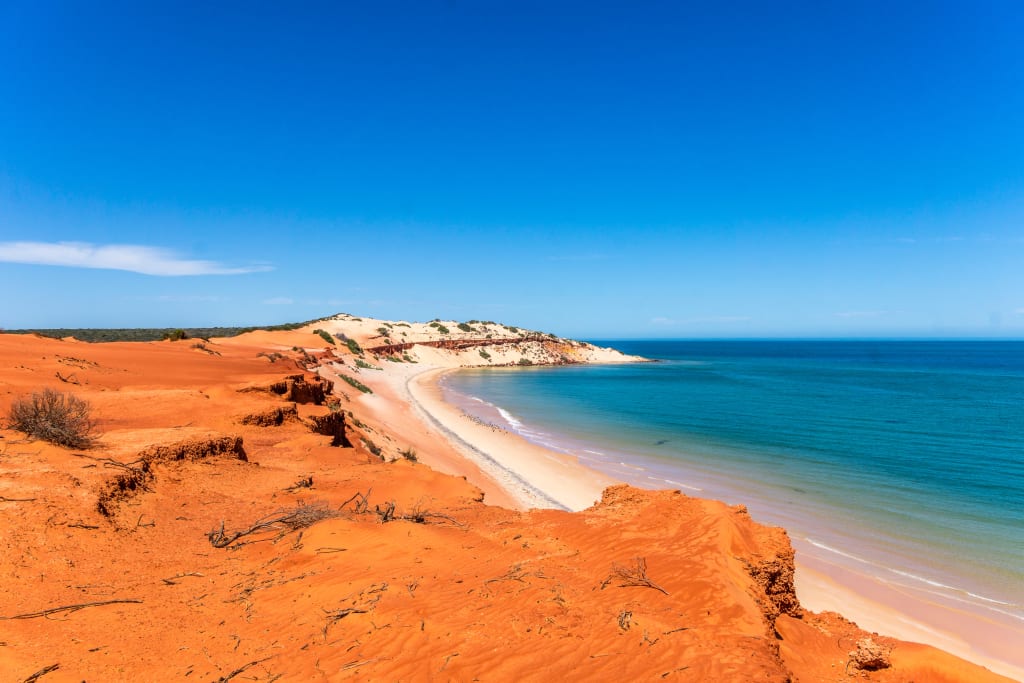
Costa Rica is a tiny country that is rich in its Biodiversity and often known for the dramatic shifts in the landscape of its terrain and territories. It is estimated that the country protects 6.5% of the world’s biodiversity. Costa Rica is also about five times relatively smaller than the whole of the UK and is spearheading how a fair amount of 26% of Costa Rica is protected. The fact that is impressive the most is the various ways in which it has established national parks and a home that can provide to five million birds that migrate to Costa Rica every year. It also boasts of clouds, forests, and long stretches of beaches twin tropical climates of the Caribbean and Pacific, it is creating a sustainable future for its inhabitants and the world. Costa Rica also aims to achieve zero carbon emissions by 2050 and eliminate single-use plastics by 2021.
The country is also filled with wetlands, rainforests, mountains, volcanoes, rivers, arid plains national parks, cloud and rainforests, and long stretches of beaches, plus its twin tropical climates of the Caribbean and Pacific, which is a favorite destination for tourists and Wildlife discovery exploration. It is a delight to take long walks through the primary rainforest in La Selva Biological Station or Braulio Carillo National Park. The primary rainforest is completely untouched and had enjoyed continuous and uninterrupted growth.
Corcovado National Park on the [Osa Peninsula] is one of the most biodiverse places in the country and has a large rainforest. Although the cutting of trees has created some problems, planting more trees and thus putting in various efforts that will make the carbon footprint.
How does people's behavior affect what they do?
Costa Rica is aiming to achieve zero carbon emissions by 2050 and eliminate single-use plastics by 2022.
Costa Rica wants to become the first country in the world to implement a comprehensive national plan to eliminate single-use plastics by 2022.
The Central American country plans to replace these unnecessary materials, which cover the oceans - such as plastic bags, straws, coffee stirrers, containers, and plastics - with other materials that can be used or water balances water. starches). This project is the Ministries of Health, Environment, and Energy of Costa Rica with the support of the United Nations Development Program (UNDP) and local governments, communities, and private organizations.
Do scientific and technological activities contribute to biodiversity conservation?
As our society develops, we use more resources, which destroys the biodiversity of nature, but development also leads to better science and technology. Currently, science and technology are the two most important aspects of conservation biology.
We use science, and ecology specifically, to understand the web of relationships in our biomes. By understanding these relationships, scientists can identify key species in the environment. This information is used to guide security efforts. It is also used to understand pollution and its effects on the environment. Biomagnification of toxins in the food chain can cause serious problems for carnivores. This is a constantly changing field of science and these two examples are just a few ways to implement the information it reveals.
Technology is becoming increasingly important in conservation biology. Sustainable technologies, such as renewable energy, packaging, and recycling, help reduce our impact on the environment.
In addition, technologies such as cloning give scientists the ability to bring back species that were once thought to be extinct. Diversity in the environment is very important. It helps provide the resources and services we trust every day. Human development and urbanization pose serious threats to biodiversity.
If nothing is done to reduce these changes, there will be a disaster. There are many things we can do in politics, science, and even in our daily lives to help solve these problems. As human beings, we must understand the risks associated with our customers' lifestyles and work hard to repair the damage and prevent future damage. It's time for us to unite and save the diversity of life.
I spent a few semesters in Latin America and finally moved to Texas.
About the Creator
Raj Kosaraju
Raj specializes in Cloud Computing, AI , ML, Business Intelligence, IoT, Big Data, and Product Management.
Keep reading
More stories from Raj Kosaraju and writers in Humans and other communities.
Empathy, Imagination, and the Soul’s Curriculum:
There is a long‑standing belief in spiritual traditions that the soul comes into this life with lessons to learn. Some call it a curriculum, some call it growth, some call it refinement, or the soul contract and some simply call it becoming more human. The idea is not that suffering is required, but that understanding is. Compassion, humility, forgiveness, courage, and clarity are not abstract virtues; they are lived experiences. Yet not every soul needs to endure every possible hardship firsthand. There are other routes to understanding, and one of the most powerful is empathy.
By Julie O'Hara - Author, Poet and Spiritual Warriora day ago in Humans
Bomb Scare
It was 2027, and the world never thought it would happen. A missle hit the United States, but it wasn't where they had anticipated. A little town in the northeast was hit by a missile strike, they didn't know why, and they didn't know exactly where it hit, but they did know it was a coastal community, somewhere between Maine and Delaware.
By Gregory Payton5 days ago in Fiction


Comments
There are no comments for this story
Be the first to respond and start the conversation.