
Beware: 5 "Healthy" Foods That Are High in Hidden Sugar
Beware: 5 "Healthy" Foods
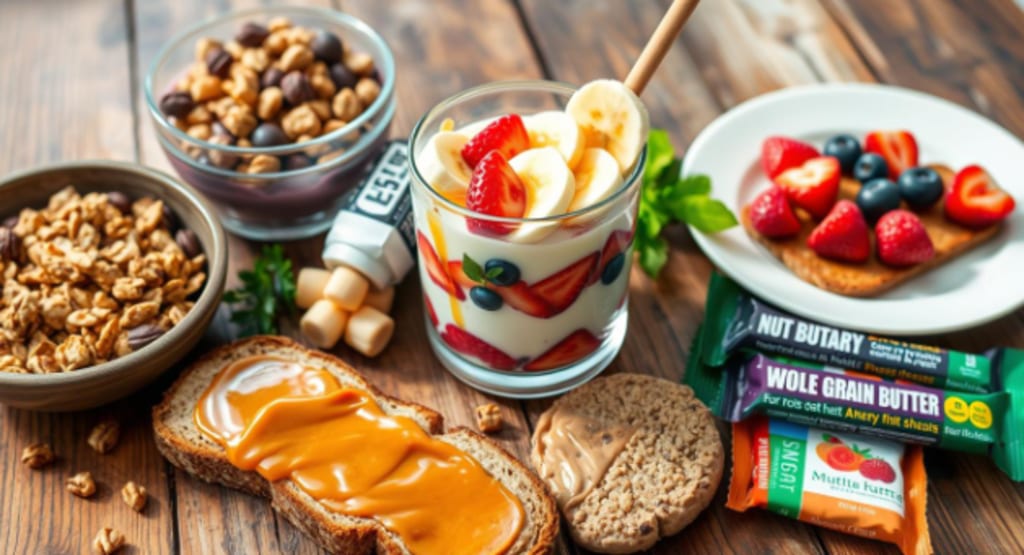
In today’s health-conscious world, many of us strive to make better dietary choices by selecting foods that are labeled as “healthy,” “natural,” or “low-fat.” However, not all so-called healthy foods are as nutritious as they appear. One common culprit lurking in many of these products is hidden sugar—sugar added during processing or naturally present in high amounts, which can easily go unnoticed.
Consuming too much sugar, even from foods perceived as healthy, can contribute to weight gain, insulin resistance, type 2 diabetes, heart disease, and other health issues. Here are five popular health foods that often contain more sugar than you might expect.
---
1. Flavored Yogurt
Yogurt is widely considered a healthy food because it provides important nutrients such as calcium, protein, and probiotics that promote gut health. However, many flavored yogurts—especially fruit-flavored or dessert-style varieties—can contain as much sugar as a candy bar. To improve taste and shelf appeal, manufacturers often add sugar, syrups, or fruit concentrates, which can turn an otherwise nutritious option into a sugar-laden treat.
Healthier choice: Choose plain, unsweetened yogurt and add your own fresh fruits, a drizzle of honey, or a sprinkle of nuts for natural sweetness and added nutrition.
---
2. Granola Bars
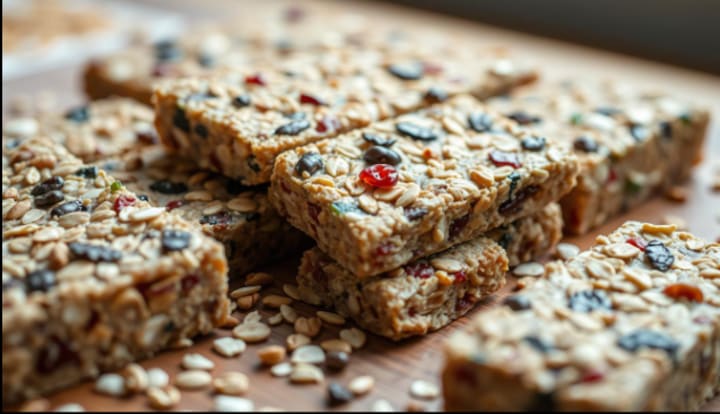
Granola bars are marketed as wholesome and energy-boosting snacks, perfect for busy people on the go. However, many commercial granola bars are packed with sugar, sometimes in multiple forms such as glucose syrup, brown sugar, honey, or even chocolate chips. These sweeteners are used to bind ingredients together and enhance flavor, but they can make a granola bar nearly as sugary as a dessert.
Always read the ingredient list and nutrition label. Look for bars with less than 5–7 grams of sugar per serving and those made with whole ingredients like oats, nuts, and dried fruit—without excess sweeteners.
---
3. Fruit Juices
Even 100% fruit juice, though natural, contains high levels of natural sugars such as fructose. Unlike whole fruits, juices lack fiber, which plays a key role in slowing down sugar absorption and keeping you full. Drinking fruit juice can lead to a quick spike in blood sugar and may not be as satisfying as eating the whole fruit.
Better alternative: Choose whole fruits over juices whenever possible. If you enjoy juice, limit it to a small glass (4–6 ounces) and avoid those with added sugars or artificial flavors.
---
4. Dried Fruits
Dried fruits, like raisins, dates, or dried mangoes, are compact and nutrient-dense, but they also contain concentrated sugars. The drying process removes water, shrinking the fruit and intensifying the natural sugars. Moreover, some brands add extra sugar or use sweet coatings to improve flavor and texture, making them more like candy than fruit.
Smart strategy: Consume dried fruits in moderation and look for versions labeled “unsweetened” or “no added sugar.” Pairing a small portion with nuts can also help balance the sugar intake.
---
5. Salad Dressings
While salads are a healthy staple, the store-bought dressings you drizzle on top may be undermining your efforts. Many commercial dressings, especially low-fat or fat-free varieties, use sugar and corn syrup to enhance taste and texture. These sugars are often hidden under names like “maltodextrin,” “evaporated cane juice,” or “glucose-fructose.”
Healthier option: Make your own salad dressing at home using ingredients like olive oil, lemon juice, vinegar, mustard, and herbs. This allows you to control the flavor and sugar content.
---
Final Thoughts
It's not enough to just choose foods that look good for you to stay healthy; you also need to be well-informed and watchful. Many products with “healthy” labels can be misleading due to their hidden sugar content. Always read nutrition labels carefully, check the ingredient list, and opt for minimally processed, whole foods whenever possible.
By being aware of hidden sugars in everyday foods, you can make better decisions for your health and reduce your risk of sugar-related health problems over time.
About the Creator
Keep reading
More stories from Jimon alam Jumman and writers in Humans and other communities.
The Angry Man in Your House
"If you grow up with an angry man in your house, there will always be an angry man in your house" This statement has caused plenty of controversy online, people say its a statement that blames victims while also undermining those who break traumatic cycles to form health relationships... but if I'm honest now that I'm in my 30s it makes more sense to me than ever, and I'd argue that its not just about fathers and uncles.
By S. A. Crawford2 days ago in Humans
Unity Brings Blessings
Once upon a time, there lived a sparrow and a crow. Between the two of them, there existed intense hostility. The sparrow spent her days collecting grains for her young chicks. She would pick up food in her beak, return to the nest to feed her children, and then fly off again to gather more. On the other hand, the crow constantly watched her movements with an evil intention. He waited patiently for the moment when the sparrow would leave her nest unattended so that he could attack the helpless chicks and make them his prey.
By Sudais Zakwan7 days ago in Humans
The Piggy Project
I’ve had so many names in this life I lose track of which ones were ever really mine and which ones I wore because someone needed me to. Some were handed to me before I had words to refuse them, before I knew what they meant, before I knew I could say no. Most weren’t meant to hurt. That doesn’t mean they didn’t leave marks. Marks that told me who I belong to, who I am by way of who claims me, recognizes me in the good and bad, who walks beside me.
By Fatal Serendipity7 days ago in Confessions




Comments
There are no comments for this story
Be the first to respond and start the conversation.