
Applications of Custom Polyclonal Antibodies in Cell Cycle Analysis
Custom Polyclonal Antibodies

Understanding the cell cycle is essential for studying cellular growth, proliferation, and division. Aberrations in the cell cycle can lead to diseases such as cancer, making it a critical area of research. Custom polyclonal antibodies have emerged as indispensable tools in cell cycle analysis due to their high sensitivity, specificity, and ability to recognize multiple epitopes on target proteins.
These antibodies allow researchers to monitor cell cycle regulators, detect post-translational modifications, and gain insights into complex cellular processes.
What Are Custom Polyclonal Antibodies?
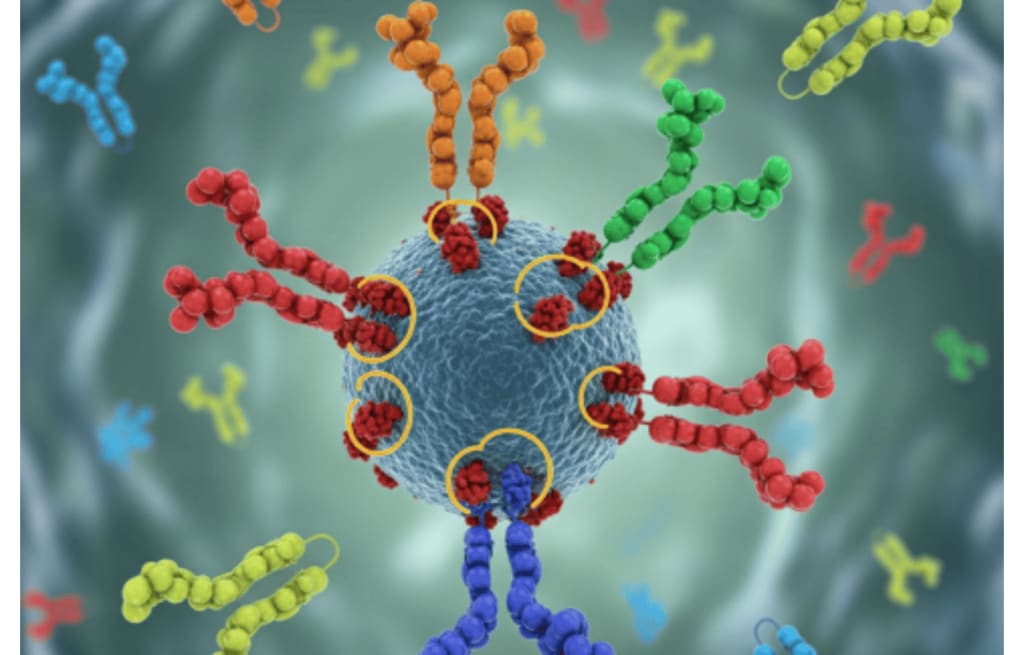
Polyclonal antibodies are a heterogeneous mixture of immunoglobulins that bind to multiple epitopes on the same antigen. They are produced by immunizing an animal, such as a rabbit, goat, or sheep, with the protein or peptide of interest. Unlike monoclonal antibodies, which recognize a single epitope, polyclonal antibodies can recognize several regions of the target protein, providing enhanced detection sensitivity.
Custom polyclonal antibodies are specifically designed for a researcher’s target protein, ensuring high specificity and minimal cross-reactivity. For example, a Rabbit Cyclin B1 Polyclonal Antibody can be generated to detect Cyclin B1 across different cell cycle stages in various experimental setups.
Importance of Cell Cycle Analysis
The cell cycle is divided into four main phases: G1 (gap 1), S (DNA synthesis), G2 (gap 2), and M (mitosis). Proper regulation of these phases is essential for maintaining genomic integrity. Studying cell cycle progression provides valuable information for:
- Understanding cancer biology and tumor proliferation
- Evaluating the effects of chemotherapeutic agents
- Investigating cell cycle checkpoints and regulatory pathways
Cell cycle regulators, such as cyclins, cyclin-dependent kinases (CDKs), and checkpoint proteins, are common targets in research. Custom polyclonal antibodies allow precise monitoring of these proteins, enabling detailed cell cycle studies.
Applications of Custom Polyclonal Antibodies in Cell Cycle Analysis
1. Detection of Cyclins and CDKs
Cyclins and cyclin-dependent kinases are primary regulators of the cell cycle. Polyclonal antibodies can detect these proteins in different cell cycle phases, providing insight into cell proliferation and checkpoint control.
For example, Rabbit Cyclin B1 Polyclonal Antibody can be used to detect Cyclin B1, which accumulates during the G2 phase and is essential for the G2/M transition. Using this antibody in Western blotting or immunofluorescence allows researchers to monitor Cyclin B1 levels and study mitotic progression.
2. Western Blot Analysis
Western blotting is a widely used technique to quantify protein expression levels. Custom polyclonal antibodies are ideal for detecting cell cycle proteins due to their ability to recognize multiple epitopes, resulting in strong signal detection. Researchers can track the upregulation or downregulation of key regulators, such as Cyclin B1, p21, and CDKs, in response to treatments or genetic modifications.
3. Immunofluorescence and Confocal Microscopy
Custom polyclonal antibodies can be used in immunofluorescence assays to visualize protein localization within cells. This is particularly useful for studying the subcellular distribution of cell cycle regulators.
For instance, Cyclin B1 is normally localized in the cytoplasm during interphase and translocates to the nucleus during mitosis. Using a Rabbit Cyclin B1 Polyclonal Antibody, researchers can observe these dynamics under a confocal microscope, providing insights into cell cycle regulation and checkpoint activation.
4. Flow Cytometry
Flow cytometry allows high-throughput analysis of protein expression and cell cycle status in individual cells. Custom polyclonal antibodies conjugated to fluorophores enable precise detection of intracellular cell cycle proteins. This technique helps identify cell populations at different cycle stages and assess the effects of drugs or genetic perturbations on cell proliferation.
5. ELISA for Quantitative Protein Analysis
Enzyme-linked immunosorbent assays (ELISAs) can quantify specific cell cycle proteins in lysates or biological samples. Custom polyclonal antibodies are highly effective in ELISA due to their ability to recognize multiple epitopes, ensuring robust detection even at low protein concentrations. For example, Cyclin B1 levels can be quantified in synchronized cell populations to study G2/M transition kinetics.
6. Monitoring Post-Translational Modifications
Cell cycle progression is often regulated by post-translational modifications, such as phosphorylation. Custom polyclonal antibodies can be designed to recognize specific modified forms of proteins, enabling researchers to study activation states and signaling pathways. For instance, antibodies targeting phosphorylated Cyclin B1 can help investigate checkpoint activation and mitotic entry.
Advantages of Using Custom Polyclonal Antibodies
- High Sensitivity: Multiple epitope recognition enhances signal detection.
- Versatility: Effective in Western blotting, ELISA, immunofluorescence, and flow cytometry.
- Custom Design: Tailored to detect specific protein isoforms or post-translational modifications.
- Faster Production: Easier and quicker to produce than monoclonal antibodies.
These advantages make custom polyclonal antibodies invaluable for detailed and accurate cell cycle studies.
Conclusion
Custom polyclonal antibodies play a crucial role in cell cycle analysis by enabling sensitive and specific detection of key regulators. From Cyclin B1 monitoring to post-translational modification studies, these antibodies provide researchers with versatile tools to explore cell proliferation, checkpoint mechanisms, and the effects of therapeutic interventions. By incorporating custom antibodies, scientists can achieve precise, reliable, and reproducible results, accelerating discoveries in cell biology and cancer research.
About the Creator
Mia Bella
A beauty enthusiast and expert, Mia Bella is dedicated to sharing the latest trends, tips, and product reviews. With a passion for skincare and makeup, she empower others to enhance their natural beauty and confidence.


Comments