
An Overview of Adaptogenic Herbs | Features and Roles
An Overview of Adaptogenic Herbs | Features and Roles
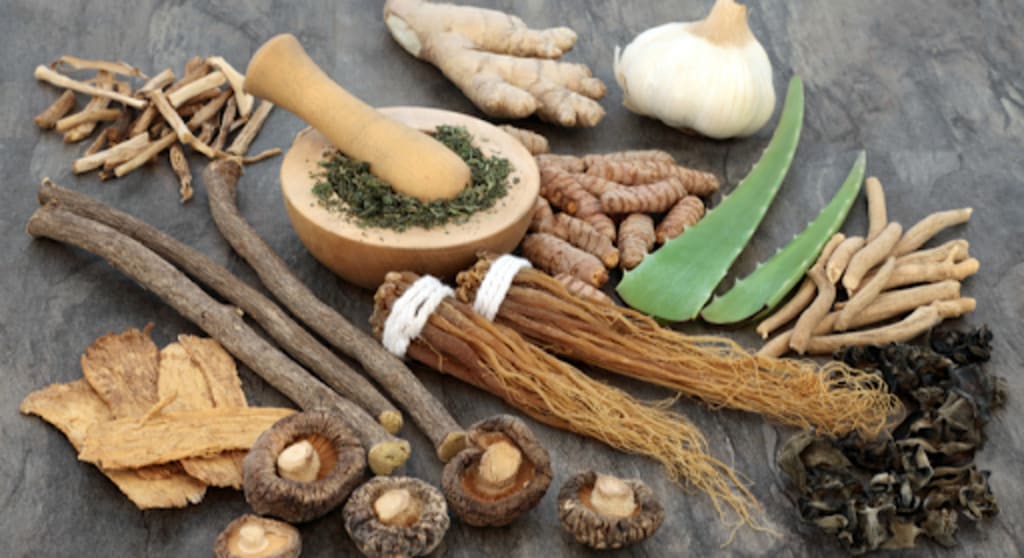
The benefits of herbs have long been appreciated by natural medicine which positively impact one's response to stress; an example of such a type of herb is “ adaptogenic herbs. It is widely known that when faced with stress, your body releases cortisol, but excessive cortisol levels over time can adversely affect your thyroid and adrenal glands. There are many approaches that can be used to reduce chronic stress, according to many researchers, one of the known natural stress-relieving herbs is adaptogenic.
The purpose of using these herbs is to strengthen the body's natural ability to adapt to stress, improve energy levels and cognitive performance, and promote overall health and well-being. Therefore, it's time to learn the working, function, and types so have a look!
A brief note on adaptogens
Adaptogens are natural substances, such as plants, herbs, and mushrooms, that are believed to help the body adapt to stress; improve overall health and well-being. They generally work by regulating the body's stress response system, which helps to reduce the negative effects of stress on the body by promoting balance and resilience.
Often used in traditional medicine practices, such as Ayurveda and Traditional Chinese Medicine, and has gained popularity in recent years as a natural approach to managing stress and supporting body health. Some common adaptogens herbs include ashwagandha, rhodiola, ginseng, holy basil, and reishi medicinal mushrooms.
Role of adaptogens in the body
Adaptogen herbs work by regulating the body's stress response system, which includes the hypothalamic-pituitary-adrenal (HPA) axis, the sympathetic-adrenal-medullary (SAM) system, and the immune system.
1. Regulating cortisol levels
Adaptogens may help regulate the levels of cortisol, a primary stress hormone produced by the adrenal glands and promote a healthy stress response. Cortisol levels can become elevated during periods of chronic stress, which can lead to negative health effects.
2. Boosting immune function
The immune system can be weakened by chronic stress, making us more susceptible to sickness and disease. Adaptogens may help boost immune function and improve the body's functioning.
3. Supporting cognitive function
Stress can also affect cognitive function, including memory, attention, and focus. Adaptogens may help in supporting cognitive function, and improve mental clarity & performance.
List of adaptogenic herbs
1. Ashwagandha (Withania somnifera)
Ashwagandha is a popular herb in Ayurvedic medicine and is commonly used as an adaptogen to help the body cope with stress. It is also believed to have anti-inflammatory, antioxidant, and immune-boosting properties. Some studies have suggested that ashwagandha may help reduce stress and anxiety, improve brain function, lower cholesterol, and blood sugar levels, and improve symptoms of depression.
2. Reishi mushroom (Ganoderma lucidum)
Reishi mushroom is a type of fungus that has been used for centuries in traditional Chinese medicine. It is believed to have similar properties such as immune-boosting, anti-inflammatory, and antioxidant. The studies have suggested that reishi medicinal mushrooms may help reduce inflammation, lower blood pressure, improve immune function; improve symptoms of anxiety and depression.
3. Ginseng (Panax ginseng)
Ginseng is a root that has been used in traditional medicine practices for thousands of years. It helps improve cognitive function, calm mood & mental health, reduce anxiety, lower blood sugar levels, and improve erectile dysfunction.
4. Holy Basil (Ocimum sanctum)
Holy basil, also known as tulsi, has been used in Ayurvedic medicine for centuries to treat a wide range of health conditions, such as skin diseases, hepatic disorders, & infections, as well as a remedy for snake bites and scorpion stings; also known as a powerful anti-aging supplement.
One of the reasons why holy basil may be effective in improving the body's response to stress is the presence of three phytochemical compounds. Two of these compounds, ocimumosides A and B, known as anti-stress compounds, may help lower levels of the stress hormone” corticosterone” and positively affect the neurotransmitter system in the brain.
The list of adaptogenic herbs doesn’t end here, there are many more such as turmeric, Rhodiola, Schisandra, Licorice root, Eleuthero, Maca, etc. These herbs protect you from chronic stress by balancing the release of stress hormones such as cortisol and support the body’s ability to stay in homeostasis. Therefore, adding these herbs to daily diet routines can help in boosting overall body health and functioning.
About the Creator
Keep reading
More stories from Daniel Whitechurch and writers in Humans and other communities.
Siberian Ginseng Benefits | Everything you need to know
Eleutherococcus senticosus, or Siberian ginseng, is a plant that is indigenous to northeast Asia, encompassing areas of China, Russia, Japan, and Korea. Siberian Ginseng's benefits are well known, it has been utilized for many years in conventional medicine to advance well-being and health.
By Daniel Whitechurch3 years ago in Humans
I Don't Need My Phone... Wait, Is That Actually True?
My parents gave me my first cell phone when I was twelve years old. It wasn't a fancy iPhone or anything, not even close. Just a simple black flip phone for when I needed to call or text them after school.
By Madison "Maddy" Newtona day ago in Humans
Telephone Booth Time Machine
If you could, would you step into the booth, pick up the phone to answer the "call" and go back to a "better" America, and would we actually find what we’re looking for? Or are we simply witnessing the inevitable evolution of who we’ve always been—only now, the "volume" has been turned way up, to a deafening level by the social noise on the screens of our mobile phones. Wasn't it all so much much better when these things were still plugged in, but we were unplugged... But now we're being told America is in a "Golden Age" or at least trying to recapture one long lost.
By Meko James 7 days ago in Humans
Diaries to Nietzsche
Quotation from Friedrich Nietzsche "He who wrestles long with monsters should beware lest he himself become a monster. And if you gaze long into an abyss, the abyss also gazes into you. Man is not destroyed by suffering, but by the meaning he makes of it."
By LUCCIAN LAYTH2 days ago in Critique



Comments
There are no comments for this story
Be the first to respond and start the conversation.