
Alopecia Areata and Nutritional Deficiencies: Exploring the Link Between Diet and Autoimmune Hair Loss
Introduction
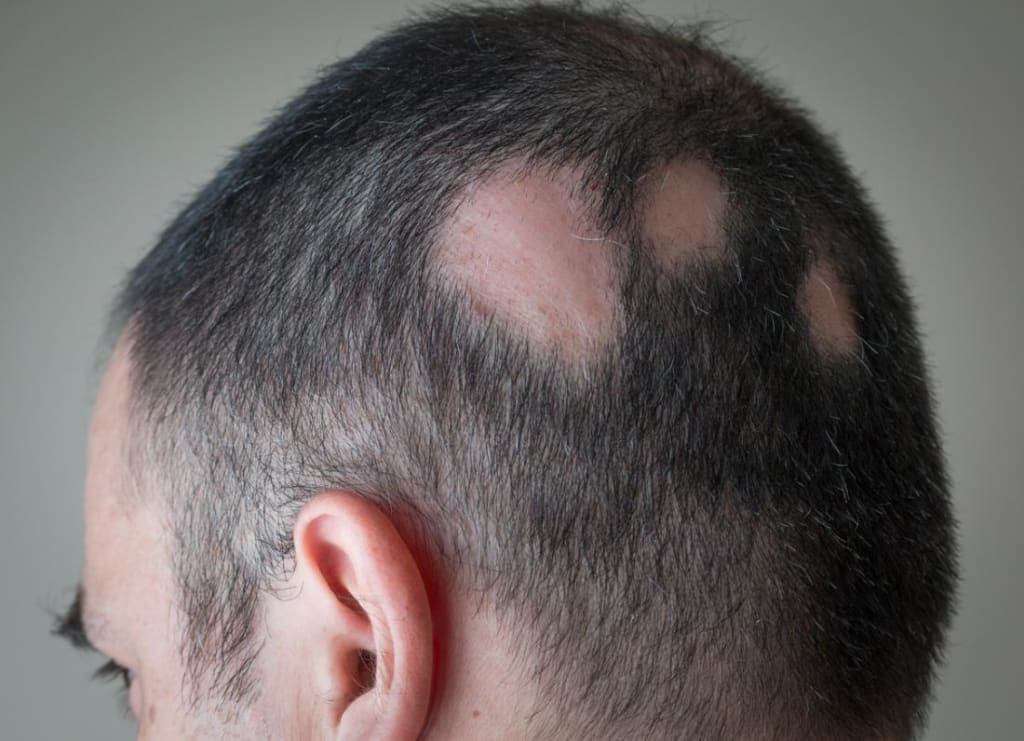
Hair is more than just a cosmetic feature—it’s often seen as a symbol of health, youth, and identity. So, when someone begins to lose hair unexpectedly, it can be emotionally distressing and physically alarming. Among the many forms of hair loss, Alopecia Areata stands out due to its unpredictable and autoimmune nature. While genetic and environmental factors are known contributors, recent research points toward an important and often overlooked component—nutritional deficiencies.
In this article, we delve into the lesser-explored connection between diet and Alopecia Areata, uncovering how nutritional imbalances might trigger or aggravate this condition, and how holistic approaches, including Ayurvedic support, can aid in managing and treating it.
What Is Alopecia Areata?
Alopecia Areata is an autoimmune disorder where the immune system mistakenly attacks hair follicles, resulting in patchy hair loss on the scalp and other parts of the body. It affects people of all ages and genders and may progress to more extensive hair loss in some cases.
Symptoms include:
Sudden, round patches of hair loss
Tingling or itching sensation in affected areas
Nail abnormalities like pitting or ridges
While it is non-contagious and not life-threatening, the psychological and social impacts can be significant.
The Role of the Immune System and Nutritional Deficiencies
Our immune system plays a pivotal role in Alopecia Areata. A healthy immune system distinguishes between “self” and “non-self” tissues, but autoimmune disorders result from a breakdown in this function. This is where nutrition becomes crucial.
Micronutrients, antioxidants, and essential vitamins are foundational to immune regulation. A deficiency in these can create an internal environment ripe for autoimmune triggers.
Key Nutritional Deficiencies Linked to Alopecia Areata
1. Vitamin D Deficiency
Vitamin D isn’t just about bone health—it’s also a powerful immune modulator. Studies show that individuals with Alopecia Areata often have lower levels of serum Vitamin D, especially those with extensive hair loss. The vitamin helps maintain immune balance, and its deficiency may contribute to autoimmune responses against hair follicles.
2. Iron and Ferritin
Iron is essential for the production of hemoglobin, which delivers oxygen to cells—including those in hair follicles. Low iron or ferritin levels are commonly seen in individuals experiencing hair thinning and Alopecia Areata. Without sufficient iron, hair follicle function deteriorates, leading to shedding and poor regrowth.
3. Zinc
Zinc plays a vital role in cell reproduction, tissue growth, and repair—including the regeneration of hair follicles. It also supports immune function. Zinc deficiency has been observed in many patients with Alopecia Areata, possibly exacerbating the autoimmune attack on hair follicles.
4. Biotin (Vitamin B7)
Biotin is frequently marketed for hair growth, and while the scientific evidence is limited, a deficiency in biotin can contribute to hair brittleness and loss. It aids in keratin production, a key structural protein in hair.
5. Essential Fatty Acids (Omega-3 and Omega-6)
These fats possess anti-inflammatory properties and support skin and hair health. An imbalance or deficiency can promote inflammatory responses, potentially triggering or worsening autoimmune conditions like Alopecia Areata.
The Gut-Immune-Hair Axis
Emerging studies suggest a strong link between gut health and autoimmune conditions, including Alopecia Areata. The gut microbiome influences nutrient absorption and immune function. Poor gut health can lead to malabsorption of key nutrients, resulting in deficiencies that may compromise the immune system.
A balanced diet rich in fiber, probiotics (yogurt, fermented foods), and prebiotics (onions, garlic, bananas) can help support gut health and, by extension, immune and hair health.
Dietary Recommendations for Managing Alopecia Areata
While no single diet can “cure” Alopecia Areata, improving nutritional status can help manage and potentially reverse symptoms. Here's what a supportive diet might include:
✓ Protein-Rich Foods
Hair is made of keratin, a protein. Including lean meats, legumes, nuts, and eggs can help supply the necessary building blocks.
✓ Iron and Zinc Sources
Red meat, lentils, pumpkin seeds, and spinach provide iron and zinc. Pairing these with Vitamin C-rich foods like citrus fruits improves absorption.
✓ Vitamin D Sources
Sun exposure, fortified dairy products, and fatty fish like salmon can help boost Vitamin D levels.
✓ Omega-3 Fatty Acids
Include flaxseeds, walnuts, and fatty fish in the diet for their anti-inflammatory effects.
✓ Biotin-Boosting Foods
Egg yolks, almonds, and sweet potatoes are excellent natural sources of biotin.
Ayurvedic Insight: A Natural Approach to Nutritional Support and Hair Regrowth
Ayurveda recognizes hair as a by-product of bone tissue and links hair health to overall digestion and metabolism. According to Ayurvedic wisdom, imbalances in Pitta dosha, poor digestion (Agni), and lack of nourishment to the scalp can contribute to hair loss disorders like Alopecia Areata.
At Vijayan Master’s Ayurveda, a comprehensive approach to managing Alopecia Areata includes herbal formulations, detoxification therapies, scalp massages, and nutritional guidance tailored to individual dosha types.
Whether you're seeking Alopecia Areata Treatment In Karnataka or exploring options for Alopecia Areata Treatment In Tamil Nadu or Alopecia Areata Treatment In Andhra Pradesh, Vijayan Master's Ayurveda offers region-specific care that blends ancient healing with modern understanding.
Supplements vs Whole Foods: What’s Better?
While supplements can help bridge nutritional gaps, whole foods are preferable because they provide a complex matrix of nutrients along with fiber, enzymes, and antioxidants.
However, in severe cases of deficiency, especially confirmed through blood tests, supplements (e.g., Vitamin D3, Iron, Zinc) may be necessary—always under medical supervision.
Final Thoughts: Nourish from Within
Alopecia Areata can be a challenging condition, not just physically but emotionally. While medical interventions and Ayurvedic therapies provide hope, the foundation of recovery often begins with the right nutrition. By addressing deficiencies and adopting a holistic lifestyle, individuals can strengthen their immune systems, nourish their hair follicles, and potentially reverse or control the progression of hair loss.
If you're struggling with Alopecia Areata, don’t just treat the surface. Listen to what your body is telling you—healing starts from within.
About the Creator
Keep reading
More stories from vijayan master's Ayurveda and writers in Humans and other communities.
How Seasonal Changes Affect Hair Growth and How Ayurvedic Hair Oils Help Maintain Scalp Balance Year-Round
Hair health is a mirror that reflects your body’s internal balance, lifestyle, and environment. Among the external factors that significantly influence hair growth and scalp condition, seasonal changes play a major role. From the heat and humidity of summer to the dryness of winter, each season affects your scalp and hair follicles differently. Fortunately, ancient Ayurvedic wisdom offers solutions through nature-inspired hair oils designed to restore and maintain balance throughout the year.
By vijayan master's Ayurveda9 months ago in Humans
The CEO of Everything
They say "jack of all trades, master of none," but they forgot to mention the part where the jack of all trades is also the camera woman, the makeup artist, and the person currently yelling at a tangled Wii microphone cable in a her own bathroom while recording herself singing and trying to make it look realistic and professional. (As professional as you can make it with nothing but a cell phone camera and a mic that doesn't work)
By Sara Wilson7 days ago in Humans
Libra Woman and Gemini Man Compatibility Score
When a Libra woman and a Gemini man come together, it often feels like two best friends falling in love. Both are Air signs, ruled by intellect, communication, and social energy. Their connection tends to be light, exciting, and mentally stimulating from the very first meeting. This is not the type of relationship that feels heavy or dramatic. Instead, it flows naturally, full of laughter, late-night conversations, and shared adventures.
By Inspire and Funabout 3 hours ago in Humans



Comments
There are no comments for this story
Be the first to respond and start the conversation.