
AI and Jobs: Threat or Opportunity?
Human's jobs are in trouble for Ai

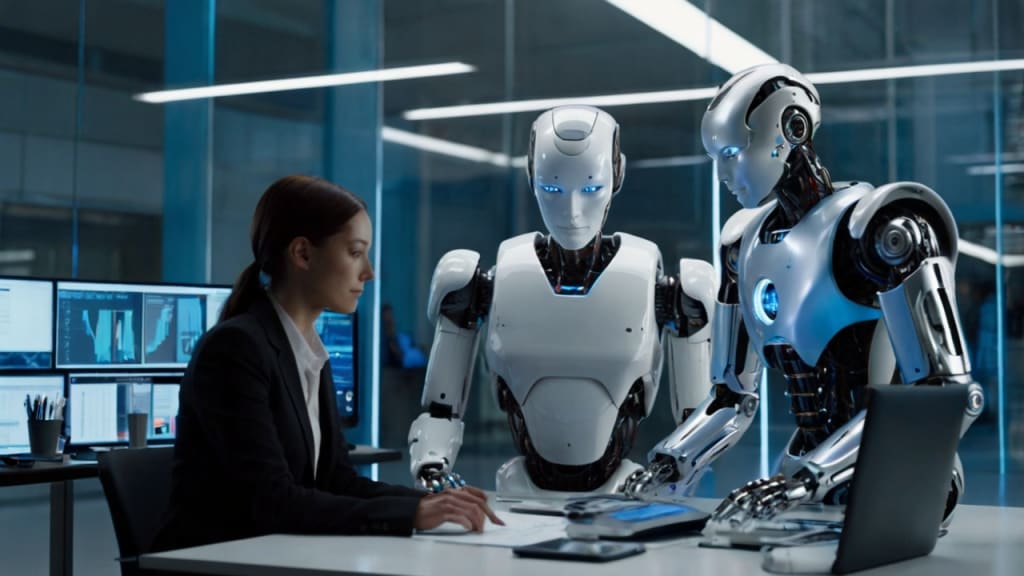
Artificial Intelligence and Jobs: Destruction or the Dawn of New OpportunitiesKey:
With the rapid advancement of technology, Artificial Intelligence (AI) has emerged as one of the most transformative forces of our time. From voice assistants to automated customer service, AI is no longer a concept of the future—it's an essential part of our daily lives. But as AI continues to evolve, a critical question arises: Is AI replacing human jobs, or is it opening the door to new possibilities?
Is AI Replacing Human Jobs?
In some ways, the fear isn't unfounded. AI and automation are indeed taking over certain job roles.
Here are a few common examples:
Customer Support Automation:
Chatbots powered by AI are handling thousands of customer queries daily, reducing the need for human support agents.
Factory Automation: Robots are increasingly replacing manual labor in manufacturing industries.
AI-generated Content:
Some websites and news agencies now use AI to generate written content, impacting traditional journalism roles.
These developments have made many people worry about job security and their place in the future workforce. The idea that "robots are stealing our jobs" has become a common concern.
But There's Another Side to the Story
While AI is transforming the job landscape, it's not just about job loss—it’s also about job evolution. In fact, AI is creating numerous new job opportunities that didn’t exist a decade ago. This is where the conversation gets exciting.
1. Demand for AI Skills is Booming
From data scientists to AI prompt engineers, there's a rising demand for people who understand and can work with AI tools. Those who learn how to use AI platforms like ChatGPT, Midjourney, or DALL·E are gaining a competitive edge in freelancing, content creation, and more.
2. New Career Paths Are Emerging
AI Trainers & Prompt Engineers: These professionals help teach AI systems how to behave better and give more accurate responses.
Ethical AI Consultants: As AI becomes more powerful, experts are needed to ensure it's used responsibly.
AI Content Creators: Many are building businesses by using AI to create videos, blog posts, courses, and digital products.
3. AI in Healthcare, Education, and Agriculture
AI is revolutionizing traditional sectors too. In healthcare, it's assisting doctors in diagnosing diseases. In education, AI tutors are helping students learn at their own pace. Farmers are using AI to forecast weather and improve crop yields. These advancements are expanding the definition of work itself.
The Future of Work with AI: Adaptability is Key
Just like the arrival of computers and the internet changed the nature of jobs in the past, AI is reshaping the job market today. The key difference between those who thrive and those who fall behind is adaptability. It’s no longer about fearing AI; it’s about learning how to use it.
Soft skills, creative thinking, emotional intelligence, and AI literacy will become even more important in the coming years. The best way forward is not to resist change but to evolve with it.
How to Prepare for the AI-powered Future?
Learn how to use AI tools effectively
Stay updated with industry trends
Focus on developing skills that machines can’t easily replicate—like empathy, critical thinking, and leadership
Explore opportunities in tech-driven industries
Conclusion:
AI is Not the End of Jobs—It’s the Start of a New Era
is not your enemy. It’s a tool—and like any tool, its impact depends on how we choose to use it. Yes, it may automate certain jobs, but it also brings unprecedented opportunities to create, innovate, and grow. The future of work is not about competing with AI, but about collaborating with it to build something better.
If we embrace learning and remain open to change, Artificial Intelligence and jobs will not be a conflicting issue—but a powerful partnership that shapes a brighter future.
Written by : Muntasir Shafi
About the Creator
Keep reading
More stories from writers in Humans and other communities.
Think for Me
"How do you calculate the circumference of a circle? Submit your answer when ready." [Pause] "Excellent! Every student was able to call up the answer electronically very quickly. If I, as a robot had feelings, I would express pride. You may break for lunch. Return to this cyber room in 45 minutes."
By Julie Lacksonen4 days ago in Humans




Comments
There are no comments for this story
Be the first to respond and start the conversation.