
A Woman Afterall.
A woman no matter how intelligent and hard working she is, in society she will be called as "A Woman after all".


Breaking Stereotypes: Challenging the Perception of Women as "Just Women"
Introduction:
In societies across the world, women have made tremendous strides towards equality, breaking barriers and excelling in various fields. Despite their achievements, however, they often face persistent stereotypes and biases that label them as "women after all." This demeaning phrase implies that no matter how intelligent or hardworking a woman may be, her gender will always define her capabilities and limit her potential. This essay explores the origins of this perception, its impact on women's lives, and the need for society to recognize and celebrate women's accomplishments beyond their gender.
Stereotypes and Gender Bias:
Throughout history, patriarchal societies have perpetuated stereotypes and gender biases, treating women as inferior to men. These biases have seeped into social structures and created expectations that limit women's opportunities and potential. The phrase "a woman after all" exemplifies this bias, suggesting that a woman's gender inherently restricts her abilities and worth. It implies that regardless of her intelligence, skills, or achievements, a woman's true essence lies in her womanhood alone.
Challenging Gender Roles:
The struggle for gender equality has gained momentum over the years, with women defying societal norms and challenging traditional gender roles. Women have proven their capabilities in various fields, excelling in science, technology, politics, and entrepreneurship. Despite these achievements, society often downplays their accomplishments and emphasizes their femininity, reinforcing the perception that being a woman is a limitation rather than a strength.
Impacts on Women's Lives:
The constant reinforcement of the phrase "a woman after all" can have profound impacts on women's lives. It undermines their confidence, making them doubt their abilities and downplay their achievements. This can create a vicious cycle, as women may internalize these biases and begin to limit their own ambitions and aspirations. The persistent notion that a woman's true identity is tied solely to her gender restricts her professional growth and denies her equal opportunities.
Furthermore, the labeling of women as "women after all" not only affects their individual lives but also perpetuates gender inequality at a systemic level. It reinforces stereotypes that discourage women from pursuing certain careers or leadership positions. It leads to the underrepresentation of women in key decision-making roles and perpetuates a cycle of limited female role models, making it harder for younger generations of women to envision themselves in positions of power and influence.
Celebrating Women's Achievements:
It is essential for society to recognize and celebrate women's achievements beyond their gender. Women deserve to be acknowledged for their hard work, intelligence, and contributions to various fields. By highlighting their accomplishments and emphasizing their skills and expertise, we can challenge the notion that being a woman is a limitation. This shift in perspective can inspire other women to pursue their dreams, break stereotypes, and reach their full potential.
Creating an Inclusive Society:
To dismantle the perception of women as "just women," society must actively work towards creating an inclusive environment that values and respects individuals for their unique talents and abilities, regardless of gender. This entails providing equal access to education, employment opportunities, and leadership roles. It involves promoting gender-balanced representation in all sectors, fostering mentorship programs, and supporting initiatives that empower women.
Additionally, it is crucial to challenge gender biases and stereotypes in everyday conversations and media representations. By consciously avoiding language that belittles or limits women's capabilities, we can foster a culture of equality and respect. This includes refraining from using phrases like "a woman after all" and instead recognizing women's achievements on their own merit.
Conclusion:
The phrase "a woman after all" serves as a reminder of the deeply ingrained biases and stereotypes that persist in society. While progress towards gender equality has been made, there is still much work to be done to dismantle these limiting perceptions. It is imperative to recognize women for their intelligence, hard work, and accomplishments beyond their gender. By doing so, we can create a society that empowers women to achieve their full potential and allows future generations to grow up in a world that celebrates individuals based on their merits, not their gender.
About the Creator
Niq Bean
Writing and photography are my hobbies and Vocal is the platform where I want to display both.
A Historic Declaration
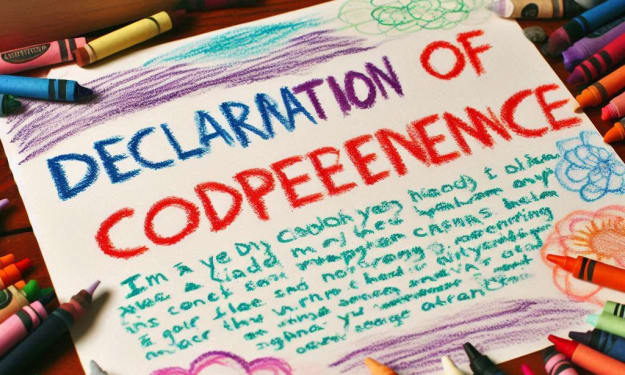
We the People of the Husbands of the United States of America, in Order to form a more perfect Union, and I mean you...with me...establish Justice, insure domestic Tranquility, provide for the common defence, promote the general Welfare, and secure the Blessings of Liberty to ourselves, after Puberty, do ordain and establish this Declaration of Co-Dependence.
By Gerard DiLeo5 days ago in Humans
Rising Above the Noise: Why Meeting Hostility With Grace Matters in Public Life
Rising Above the Noise: Why Meeting Hostility With Grace Matters in Public Life Public life in the United States has become loud, tense, and full of sharp edges. People speak past one another instead of to one another, and disagreements quickly turn into battles over identity and belonging. In this atmosphere, many people who lean toward openness, compassion, and inclusion find themselves struggling to match the intensity of those who speak with certainty, anger, or absolute conviction. It often feels as if the loudest voices set the tone for the entire country, even when they represent only a small part of the population. This imbalance creates a sense of exhaustion for people who want to build bridges rather than burn them.
By Julie O'Hara - Author, Poet and Spiritual Warrior3 days ago in Humans


Comments
There are no comments for this story
Be the first to respond and start the conversation.