
A Complete, Science-Based Guide to Radiant, Healthy Skin at Every Stage of Life
A Complete, Science-Backed Guide to Achieving Radiant, Healthy Skin at Every Stage of Life

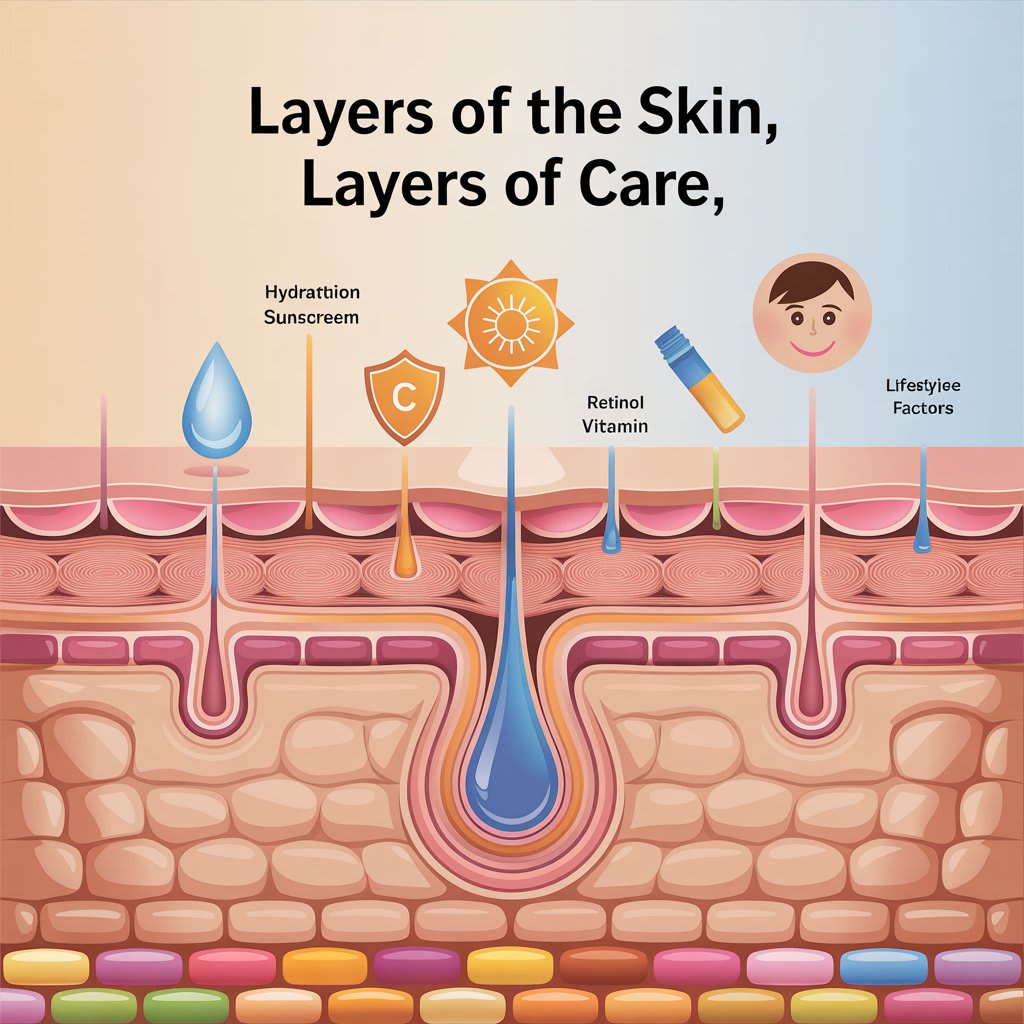
Introduction
Skincare is more than just applying creams and washing your face—it’s a complex, multi-dimensional process influenced by genetics, lifestyle, environment, diet, hormones, mental health, and product choices. Achieving healthy skin requires consistent effort, education, and patience. No single product can deliver lasting results if your overall skin ecosystem is unbalanced.

This comprehensive guide goes beyond the surface to explore every essential element of complete skincare, tailored to diverse skin types and concerns. Because great skin doesn't come from a miracle product—it comes from a thoughtful plan rooted in more than a thousand words of knowledge.
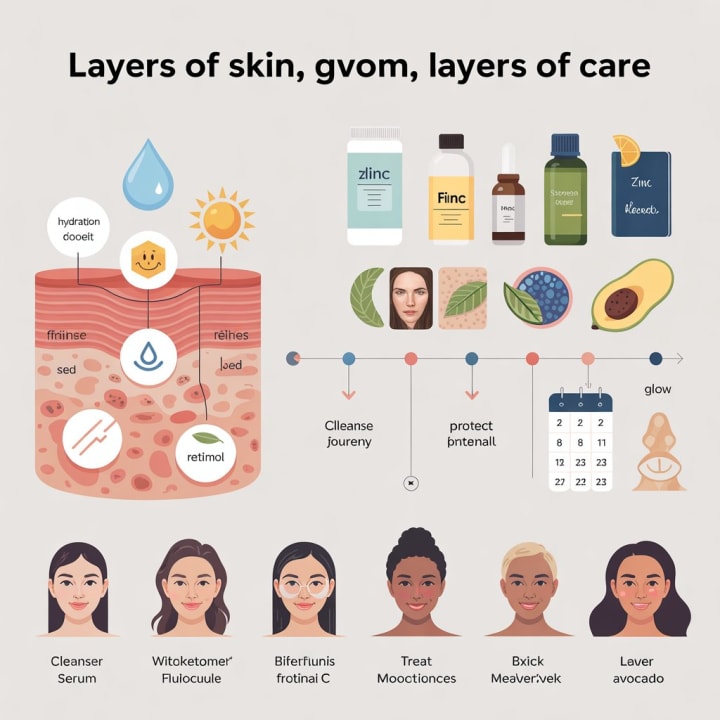
Chapter 1: Understanding Your Skin Type
Knowing your skin type is the foundation of effective skincare. Your skin's needs change with age, climate, hormones, and health conditions. The five main skin types are:
Normal Skin – Balanced oil and hydration; few breakouts or sensitivity.
Oily Skin – Excess sebum production; prone to acne, enlarged pores, and shine.
Dry Skin – Flaky, tight, or rough texture; lacks moisture and may feel itchy.
Combination Skin – Oily T-zone (forehead, nose, chin), dry or normal cheeks.
Sensitive Skin – Easily irritated, prone to redness, inflammation, or allergic reactions.
🔍 Tip: Use blotting paper or consult a dermatologist to determine your skin type.
Chapter 2: The Core Skincare Routine (AM & PM)
Morning Routine: Protect and Prepare
Cleanser:
Gentle, pH-balanced face wash to remove oil and prep the skin.
Foaming for oily skin, cream-based or hydrating for dry/sensitive types.
Toner (optional):
Helps balance pH and prep for serums. Use alcohol-free toners with soothing ingredients like rose water, niacinamide, or chamomile.
Serum:
Vitamin C is ideal in the morning for its antioxidant and brightening effects.
Niacinamide helps reduce pores and sebum production.
Moisturizer:
Even oily skin needs hydration. Choose gel-based for oily and cream-based for dry skin.
Ingredients to look for: hyaluronic acid, ceramides, glycerin.
Sunscreen (non-negotiable):
Broad spectrum SPF 30–50 daily. Physical (mineral) sunscreens for sensitive skin.
Night Routine: Repair and Restore
Cleanser:
Double cleanse if you wear makeup or sunscreen: oil-based cleanser followed by a gentle face wash.
Exfoliant (2–3x per week):
Chemical exfoliants like AHAs (glycolic, lactic acid) for dry skin and BHAs (salicylic acid) for oily/acne-prone skin.
Avoid daily physical scrubs—they can damage the skin barrier.
Treatment Serum:
Retinol or retinaldehyde to increase cell turnover and reduce fine lines, acne, and hyperpigmentation.
Peptides for anti-aging.
Azelaic acid for redness and dark spots.
Moisturizer or Night Cream:
Richer formula to repair the skin overnight.
Consider sleeping masks with hyaluronic acid or ceramides.
Spot Treatments (if needed):
Benzoyl peroxide for acne.
Hydrocolloid patches for active pimples.
Vitamin C or kojic acid for dark spots.
Chapter 3: Weekly Treatments and Skin Boosters
Face Masks
Clay Masks: For detoxifying oily or acne-prone skin.
Hydrating Masks: For dry or sensitive skin (look for aloe, hyaluronic acid).
Enzyme Masks: Gentle exfoliation for sensitive skin.
Facials
Professional facials (once a month) can improve texture, reduce blackheads, and boost collagen.
Microneedling, Chemical Peels, and Laser Treatments
Recommended under dermatologist supervision.
Target deeper issues like acne scars, pigmentation, and wrinkles.
Chapter 4: Ingredients to Know (and Avoid)
Power Ingredients to Love
Hyaluronic Acid: Hydrates and plumps skin.
Retinol/Retinoids: Increases cell turnover, improves acne, and reduces wrinkles.
Vitamin C: Brightens, reduces pigmentation, and boosts collagen.
Niacinamide: Soothes, reduces redness, regulates oil.
Ceramides: Repairs and strengthens the skin barrier.
Ingredients to Avoid (for sensitive/reactive skin)
Fragrances and essential oils
Alcohol (denatured or SD alcohol)
Harsh scrubs or microbeads
Parabens and sulfates (for some individuals)
Chapter 5: Internal Factors That Impact Skin Health
Diet
Foods to Favor:
Antioxidant-rich foods (berries, leafy greens), omega-3s (salmon, flaxseeds), vitamin A (sweet potatoes), zinc (pumpkin seeds).
Foods to Limit:
Refined sugar, dairy (in acne-prone individuals), processed foods, alcohol.
Hydration
Skin reflects hydration. Aim for 2–3 liters of water a day depending on activity level and climate.
Sleep
During deep sleep, the body releases growth hormones and repairs the skin.
Aim for 7–9 hours of uninterrupted sleep.
Stress
Triggers breakouts, dullness, and flare-ups of eczema or psoriasis.
Manage with breathing techniques, journaling, or physical activity.
Chapter 6: Special Concerns & Adjustments
Acne-Prone Skin
Focus on non-comedogenic products.
Salicylic acid, benzoyl peroxide, and adapalene are gold standards.
Don’t over-wash or over-dry your skin—it backfires.
Hyperpigmentation
Sun protection is essential.
Use ingredients like vitamin C, licorice extract, azelaic acid, and tranexamic acid.
Aging Skin
Prioritize moisture, antioxidants, and sun protection.
Retinoids, peptides, and growth factors are key anti-aging tools.
Rosacea or Eczema
Avoid triggers: hot water, spicy food, alcohol, harsh exfoliants.
Use barrier-repairing creams and calming agents like centella asiatica or niacinamide.
Chapter 7: Building a Routine That Lasts
Consistency > Complexity
Start with a simple routine:
Cleanser
Moisturizer
Sunscreen (AM) / Treatment (PM)
Then slowly add:
Serums
Exfoliants
Specialty treatments
Introduce only one new product every 1–2 weeks to monitor reactions.
Track Progress
Take photos monthly.
Note any reactions, breakouts, or improvements.
Adjust based on climate, menstrual cycle, or stress.
Conclusion: Great Skin is a Journey
Flawless skin doesn’t come overnight. It’s a combination of smart product choices, understanding your skin’s unique language, lifestyle alignment, and internal health. Avoid falling for overhyped trends or aggressive routines. What your skin needs is balance, care, and time.
So yes—skincare requires more than a thousand words—because the path to healthy skin is as layered and evolving as the skin itself.
About the Creator
AFTAB KHAN
SUBSCRIBE ME AND READ STORY
Storyteller at heart, writing to inspire, inform, and spark conversation. Exploring ideas one word at a time.
Writing truths, weaving dreams — one story at a time.
From imagination to reality
Keep reading
More stories from AFTAB KHAN and writers in Humans and other communities.
The Silent Bond
In the quiet hills of a forgotten village named Sundarpur, far from cities and crowds, lived two friends: Hari and Ramu. They had known each other since they were boys. No one remembered how they became friends—it was just something that always was, like the river that flowed beside the village or the mango tree near the temple.
By AFTAB KHAN6 months ago in Humans
Overkill
Love, love, love. We love everything. We love our dogs, our cats, our homes. We love our cars, our new snowboard, this new book. Love. The word used to mean something. One did not use that word for mundane things. It was revered and used in beautify longing poetic verse. Some of the most prolific writers, wrote sonnets, lyrics, odes, to the emotion of love, once saved and cherished for a one and only. Now it’s used like the word like, but a little stronger.
By Alexandra Grant5 days ago in Humans
Ludacris and Nelly draw backlash over bookings at MAGA-coded music festival
Ludacris and Nelly headlining a mostly right-wing event is good for them. It’s also great for the genre of hip hop. The two rap veterans have showcased their talents on other stages. Why can’t they perform for mostly MAGA folks and grab that bag?
By Skyler Saunders4 days ago in Beat


Comments
There are no comments for this story
Be the first to respond and start the conversation.