
8 Proven Remedies To Shrink Bunions Naturally
Discover effective, natural methods on how to shrink bunions naturally and relieve foot pain without surgery.

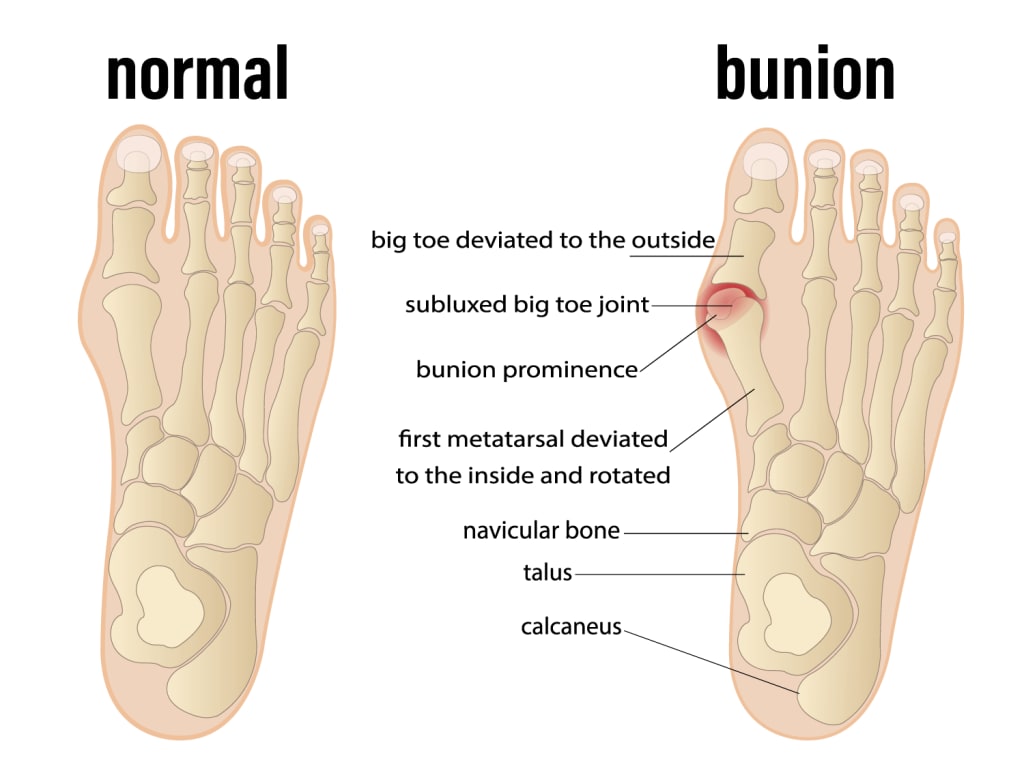
Bunions can be a real pain—literally. These bony bumps that form at the base of the big toe can cause discomfort and make it hard to find shoes that fit.
If you're looking for ways to shrink bunions naturally, you're in the right place.
There are several home remedies, lifestyle changes, and supportive measures that can help ease the pain and possibly reduce the size of bunions. Let's explore some effective methods to tackle this issue without jumping straight to surgery.
Key Takeaways
- Bunions are caused by misalignment of the toe joint, often due to genetics or footwear choices.
- Home remedies like ice packs and warm soaks can help reduce pain and inflammation.
- Wearing supportive shoes can prevent bunions from worsening and provide comfort.
- Specialized bunion shoes can help accommodate the foot's shape and reduce pressure.
- Bunion pads can provide cushioning and protect the bunion from friction.
- Exercises and stretches can strengthen foot muscles and improve flexibility.
- Over-the-counter pain relievers can help manage discomfort associated with bunions.
- Toe splints and braces can help align the toe and reduce bunion progression.
What are bunoins and how they occur?
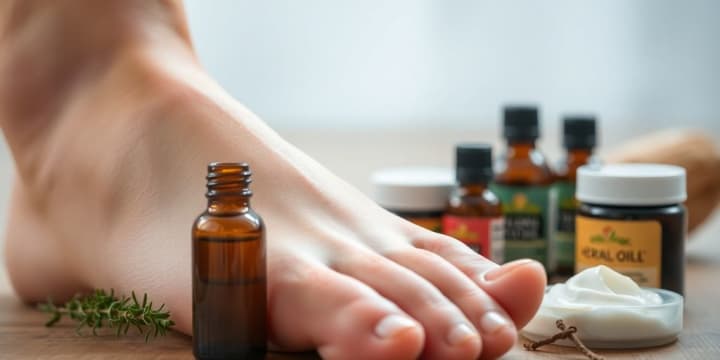
So, what exactly is a bunion? Well, it's that bony bump that pops up on the side of your big toe joint. It's not just a cosmetic thing; it can actually be pretty painful and make walking a real chore.
I remember my grandma used to complain about hers all the time! Bunions, often called hallux valgus, are a common foot problem, especially as we get older.
How do these things even happen? It's usually a mix of a few things.
Sometimes it's just bad luck and you inherit a foot structure that's prone to them. Other times, it's the shoes we wear – those cute, pointy-toed heels might look great, but they can really squeeze your toes together and cause problems down the line.
Things like flat feet, injuries, or even arthritis can also play a role. It's all about the pressure and movement in that joint at the base of your big toe, called the metatarsophalangeal (MTP) joint. When that joint gets unstable, that's when the bunion starts to form.
Basically, a bunion is a sign that something's not quite right with the way your foot is working. It's a gradual thing, so you might not even notice it at first, but over time, that bump can get bigger and more painful. And trust me, you'll definitely notice it then!
Here's a quick rundown of some common causes:
- Wearing tight or narrow shoes
- Inherited foot structure
- Foot injuries
- Arthritis
1) Home Remedies for Buninos
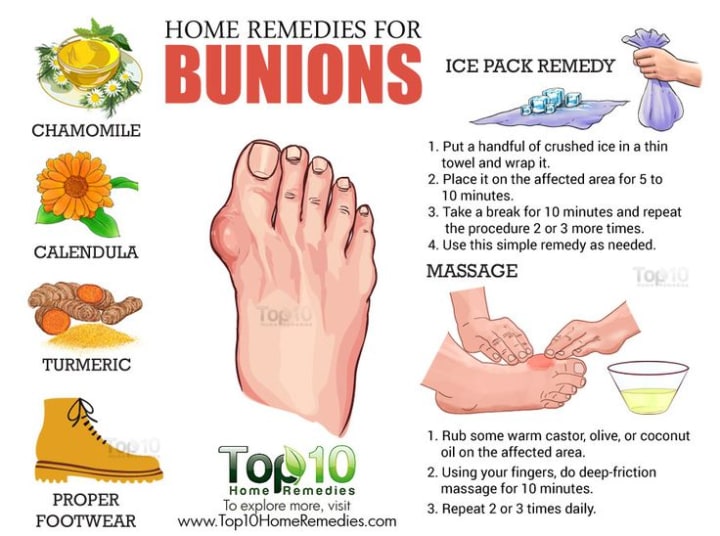
So, you've got a bunion and you're looking for ways to deal with it at home? I get it. Surgery sounds scary, and sometimes, you just want to try the natural route first.
Here are a few things you can try to ease the discomfort and maybe even slow down the progression.
Remember, I'm not a doctor, so this isn't medical advice, just stuff that's worked for some people.
- Foot Soaks: A warm foot bath can do wonders. Add some Epsom salts or Pink Himalayan Sea Salt to relax and soothe your bunions. Fifteen minutes should do the trick. It's a simple way to unwind after a long day.
- Ice It: If your bunion is inflamed or painful after walking or standing, ice can be your best friend. Wrap an ice pack in a towel and apply it for 15-20 minutes. This can help reduce swelling and ease the pain. Icing your feet and taking foot baths will not heal your bunions without surgery. However, they will certainly provide bunion relief if your feet are hurting you after a long day of exercising your feet.
- Castor Oil: This is an oldie but goodie. Castor oil has anti-inflammatory properties that can help reduce bunion pain and swelling. Soak a foot wrap in castor oil and leave it on overnight. You can buy specialized foot wraps online, too.
- Putting your feet up can also help. After sitting down in the same position for a long period of time, it is recommended to prop your feet at a 45 degree angle for 2-5 minutes at the end of a long day to increase blood circulation and reduce pain or swelling.
- Bunion Pads: These are soft, gel-filled pads that you can put inside your shoe to stop the bunion from rubbing. They're not a cure, but they can make walking a lot more comfortable. You might also want to try _shoe inserts_ which are designed to hold your foot in the correct position. You can buy these over the counter at your local pharmacy or you can have your orthotic insoles custom-made to accommodate your foot shape.
2) Footwear For Bunions
Okay, so you've got a bunion. First things first: ditch the pointy-toe stilettos! Seriously, those are bunion enemy number one. What you really need is footwear that gives your toes some breathing room. Think wide toe boxes and supportive soles.
It's not just about comfort, though. The right shoes can actually help prevent bunions from getting worse. Here's the lowdown:
- Wide Toe Box: This is non-negotiable. Your toes need space to wiggle, not be squished together like sardines. A wide toe box prevents rubbing and pressure on the bunion.
- Good Arch Support: A supportive sole helps distribute your weight evenly, reducing stress on the big toe joint.
- Low or No Heel: High heels shift your weight forward, putting extra pressure on your toes. Opt for flats or low heels to minimize strain.
> Finding the right shoes can feel like a treasure hunt, but it's worth the effort. Your feet will thank you for it.
Look for brands that specialize in comfort or orthopedic footwear. Don't be afraid to try on a bunch of different styles to see what feels best. And remember, fit is key! Make sure you're wearing the correct size, and don't squeeze into shoes that are too tight.
Also, consider these points:
- Material Matters: Soft, flexible materials like leather or fabric are more forgiving than stiff, synthetic ones.
- Adjustability is Your Friend: Look for shoes with adjustable straps or laces so you can customize the fit.
- Don't Be Afraid to Size Up: Sometimes, going up half a size can make a big difference in comfort, especially if you have a wide foot.
3) Bunion Shoes
Finding the right shoes can make a huge difference when you're dealing with bunions. It's not just about squeezing your feet into whatever's trendy; it's about finding footwear that actually supports your foot and doesn't make the bunion worse.
I remember trying to tough it out with some cute, but narrow, boots last winter – big mistake! My bunion was throbbing by the end of the day.
The key is to look for shoes with a wide toe box. This gives your toes enough room to move around and prevents them from being crammed together, which can aggravate the bunion. Forget about pointy-toed shoes; they're basically bunion torture devices.
Also, consider the heel height. High heels shift your weight forward, putting extra pressure on your toes and, you guessed it, your bunion. Opt for lower heels or flats whenever possible.
I used to think that wearing comfortable shoes meant sacrificing style, but there are actually a lot of fashionable options out there that are also bunion-friendly. You just have to do a little digging. Brands like Hoka's Ora Recovery 2 Shoes are a great start.
Here are some things to keep in mind when shopping for bunion shoes:
- Wide Toe Box: This is non-negotiable. Make sure your toes have plenty of room.
- Good Arch Support: Proper arch support helps distribute your weight evenly and reduces pressure on the bunion.
- Soft, Flexible Materials: Avoid stiff leather or other materials that can rub against the bunion and cause irritation.
- Adjustable Straps or Laces: These allow you to customize the fit and accommodate the bunion.
Some people find that wide-fit shoes work well, but it's important to make sure that the heel fits snugly. Otherwise, your foot might slip around, which can cause other problems.
Some brands even design shoes specifically for people with bunions, with features like hidden stretch panels to accommodate the bunion without sacrificing the overall fit of the shoe.
It's worth checking out those options if you're struggling to find something that works. Getting the right shoes for bunions is a game changer!
4) Bunion Pads
Sometimes, finding shoes that don't make your bunion scream is a real challenge. That's where bunion pads come in handy! They're like little cushions for your foot, giving you some much-needed relief while you're on the hunt for the perfect pair of shoes.
Bunion pads are often made of soft materials like moleskin or gel. The idea is simple: they create a barrier between your bunion and your shoe.
This reduces the pressure and friction that cause pain. You can find these pads at most drugstores or shoe stores. They're designed to fit comfortably inside your shoes without taking up too much space.
Think of bunion pads as a temporary fix. They won't magically make your bunion disappear, but they can make your day a whole lot more bearable.
They're especially useful if you're going to be on your feet for a long time or if you have a special event where you need to wear less-than-comfortable shoes.
There are also bunion sleeves available. These slide onto your big toe and the ball of your foot, offering more secure protection than pads.
They can't fix the underlying issue, but they can definitely make things more comfortable. You might also consider toe spacers, which fit between your big toe and the next one, preventing them from rubbing together.
Bunion pads are a simple and affordable way to manage bunion pain. They're not a cure, but they can certainly improve your comfort level while you explore other long-term solutions. You can also try shoe inserts which are designed to hold your foot in the correct position.
5) Exerieces For Bunions
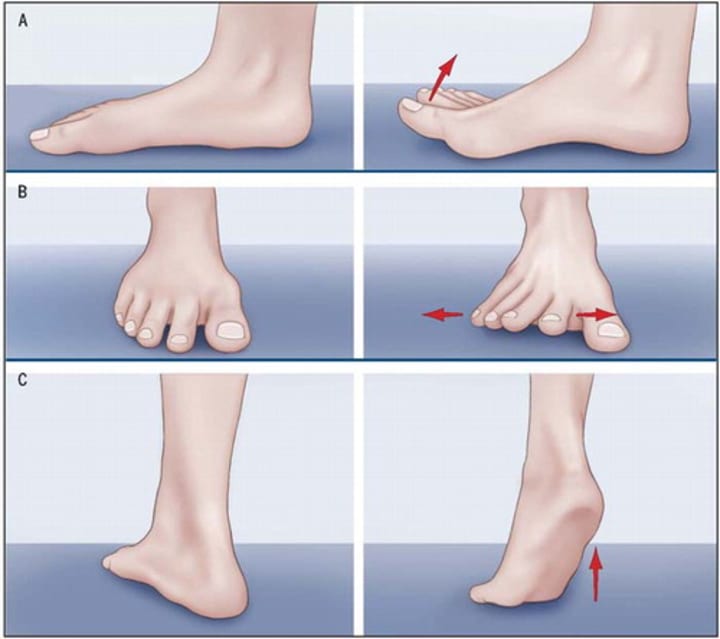
Okay, so you're looking for ways to ease that bunion pain, right? Well, good news! Certain exercises can actually help. It's not about curing the bunion with exercise alone, but more about managing the symptoms and improving foot health.
Think of it like this: you're strengthening the muscles around the joint, which can provide support and reduce some of the pressure. Plus, it can improve your range of motion, which is always a good thing.
Here are a few ideas to get you started:
- Toe stretches: Point your toes straight ahead for about 5-10 seconds, then curl them for the same amount of time. Repeat this about 10 times. It's super simple, but it can make a difference.
- Towel curls: Lay a small towel on the floor. Use your toes to curl the towel towards you. This helps work the muscles in your feet. Do this a few times.
- Heel raises: Stand up straight and slowly rise up onto your toes, then lower back down. This strengthens your calf muscles, which can indirectly help support your feet.
Doing these exercises regularly, even just for a few minutes each day, can make a noticeable difference in how your bunion feels.
It's all about consistency and finding what works best for you. Remember, listen to your body and don't push yourself too hard, especially if you're feeling pain.
It's also worth considering a foot bath a few times a week. A 15-minute soak in warm water with Epsom salts can really relax your feet and ease any swelling.
Icing your feet after a long day can also help reduce inflammation and pain. Just wrap an ice pack in a towel and apply it for about 15-20 minutes.
6) Streches for bunions
Alright, let's talk stretches. I know, I know, stretching isn't the most exciting thing in the world, but trust me, your feet will thank you.
If you're dealing with bunions, a little bit of daily stretching can really make a difference.
It's all about relieving that pressure and getting some movement back into your foot.
One super simple stretch is just pointing your toes straight ahead for about 5-10 seconds, and then curling them up tight for another 5-10 seconds. Do that about 10 times. It might feel a little weird at first, but you'll get used to it.
Another thing you can do is grab a small towel, lay it on the floor, and use your toes to scrunch it up and pull it towards you. Again, aim for about 10 reps.
Doing these stretches regularly can help improve the flexibility in your foot and reduce some of the discomfort from your bunion. It's not a magic cure, but it can definitely help manage the pain and keep things from getting worse.
Another easy one is to just gently pull your big toe into the correct alignment with your hand.
Hold it there for about 10 seconds, then release. Repeat that a few times. And don't forget to wiggle your toes throughout the day! Seriously, just give them a little wiggle whenever you think about it.
It helps keep the blood flowing and prevents them from getting too stiff.
Consistency is key here. You won't see results overnight, but if you make these stretches a part of your daily routine, you should start to notice a difference over time.
7) Pain Relivers for bunions
Dealing with bunions can be a real pain, literally! When home remedies and lifestyle adjustments aren't quite cutting it, sometimes you need a little extra help to manage the discomfort.
Here's the lowdown on pain relievers that can offer some bunion pain relief.
- Over-the-Counter (OTC) Medications: These are usually the first line of defense. Common options include:
- Topical Pain Relievers: Creams, gels, and patches that you apply directly to the affected area. These can include:
- Prescription Medications: If OTC options aren't providing enough relief, your doctor might prescribe something stronger.
It's important to remember that pain relievers are generally a temporary fix. They can help you manage the pain, but they won't correct the bunion itself. It's always a good idea to talk to your doctor about the best approach for your specific situation.
They can help you figure out the right medication and dosage, and also discuss other treatment options like castor oil for its anti-inflammatory properties or orthotics.
And remember, while these can offer bunion pain relief, they're often best used in combination with other strategies like proper footwear, stretching, and bunion pads.
8) Toe Splints and Braces for bunions
So, you're dealing with bunions, huh? They can be a real pain, literally. One thing people try is toe splints and braces. Let's get into what they are and if they can actually help.
Bunion splints and braces are designed to realign your big toe, gently pushing it back into its correct position.
The idea is to counteract the angle that causes the bunion in the first place. They come in different forms – some are meant to be worn during the day, fitting inside shoes, while others are specifically for nighttime use.
Think of them like retainers for your feet. They apply constant, gentle pressure to encourage your toe to straighten over time.
Now, let's be real. These aren't magic wands. They won't make a fully formed bunion disappear overnight.
But they can offer some relief and potentially slow down the progression, especially for minor bunions. It's all about managing expectations and using them correctly.
Here's a quick rundown:
- Night splints: These are usually bulkier and designed for maximum correction while you sleep. You wouldn't want to walk around in these.
- Day splints: These are slimmer and can be worn inside shoes. They provide support and prevent further irritation throughout the day. Look for bunion symptoms to know when to use them.
- Hinged splints: These allow for some movement while still providing correction. They're a good option if you want to stay active.
It's also worth considering custom orthotics. These shoe inserts can be made to fit your foot perfectly, providing support and preventing the bunion from rubbing.
They help hold your foot in the correct position and prevent the bunion from causing you pain. If your bunions do not hurt you when you are not wearing shoes, then this may be a good alternative treatment to bunion surgery.
Remember, consistency is key. You won't see results if you only wear the splint once in a while. Make it part of your daily or nightly routine, and be patient. It might take weeks or even months to notice a difference. Also, talk to a podiatrist.
They can assess your specific situation and recommend the best type of splint or brace for you. They might even suggest other treatments to use in combination for better results.
While natural methods to reduce bunions can help, a professional opinion is always valuable.
How to prevent bunions from getting worse
So, you've got a bunion. Now what? The good news is there are definitely steps you can take to keep it from getting worse.
It's all about being proactive and making some smart choices about your feet.
- Wear the right shoes: This is huge. Avoid pointy shoes or high heels that squeeze your toes together. Instead, go for shoes with a wide toe box that gives your toes plenty of room to move. Proper toe spacing is key.
- Maintain a healthy weight: Extra weight puts more pressure on your feet, which can make bunions worse. Keeping your weight in check can really help.
- Rest when needed: Don't push yourself too hard. If your feet are hurting, take a break. Rest is just as important as activity when it comes to managing bunion pain.
- Use orthotics: Shoe inserts can help support your foot and take pressure off the bunion. They might not fix the problem, but they can definitely provide some relief.
Taking care of your feet is super important. Simple things like choosing the right shoes and maintaining a healthy weight can make a big difference in preventing bunions from getting worse.
Listen to your body, and don't ignore foot pain.
It's also worth considering some simple exercises and stretches to keep your feet flexible and strong.
Spreading your toes and doing heel raises can help reduce pressure on the bunion and improve your foot's range of motion. While these bunion treatments might not how to fix bunions, they can certainly help manage the symptoms and prevent further progression.
If you're looking for how to get rid of bunions, it's best to consult with a podiatrist for personalized advice. Remember, being proactive is the best way to prevent bunions from getting worse
Do bunion correctors work?
So, do bunion correctors work? That's the question everyone with a bunion is asking, right? The short answer is... it's complicated.
They might help with pain, but they won't magically make your bunion disappear.
Think of it like this: if you have a headache, taking a painkiller can make you feel better, but it doesn't fix whatever caused the headache in the first place.
Bunion correctors are kind of like that. They can offer temporary relief, but they don't address the underlying issue that's causing the bunion.
Here's a breakdown:
- Pain Relief: Bunion sleeves and pads can cushion the bunion and reduce rubbing, which can definitely ease pain.
- Temporary Alignment: Some devices, like toe spacers, can help keep your big toe from crowding your other toes. This might feel good while you're wearing them.
- No Permanent Fix: Bunion correctors won't realign the bones in your foot. The bunion is caused by something happening further back in your foot, which is why a bunion splint will NOT ‘cure’ or ‘fix’ your bunion.
Bunion correctors are only effective while you are wearing them, they don’t address the underlying cause and as such don’t achieve lasting relief.
Basically, if you're looking for a quick fix to wear to a party or while you're on your feet all day, a bunion corrector might be worth a try.
But if you're hoping to get rid of your bunion for good, you'll probably need to explore other options, like correct footwear for bunions or talking to a podiatrist.
Wrapping It Up
So, there you have it. Shrinking bunions naturally isn't a quick fix, but it’s definitely doable with some patience and effort.
Wearing the right shoes, doing those stretches, and using ice packs can make a real difference.
Sure, you might not see instant results, but over time, these small changes can help ease the pain and maybe even reduce the size of that bunion. If things don’t improve, though, don’t hesitate to chat with a doctor.
They can help you figure out the next steps. Remember, taking care of your feet is super important, so keep at it!
About the Creator
Thakur S
I am curious individual who likes to write and share stuff around range of topics. Personally I would love to share any information through my vocal media content consistently to my loving readers.
My First Time Skiing and I Got Lost, Alone, in the French Alps
Looking back, I can trace some of my life’s biggest adventures to a simple action from my sister. She’d introduced me to Tommy (a very long time ago), a colleague of hers, who had overshared his penchant for Italian-looking women, and I ticked that box.
By Chantal Christie Weiss3 days ago in Humans
Why Modern Singles Struggle Finding Compatible Partners And How Solutions Help
Contemporary singles tend to fail to pick up a match as there are too many partners in dating apps and social networks. The abundance of options appears to be an advantage, but it may result in exhaustion, unrealistic expectations, and inability to commit. Endlessly swiping or looking at profiles lead to a paradox of choice when it seems that there is no choice that will be fulfilling.
By Robert Smith4 days ago in Humans



Comments
There are no comments for this story
Be the first to respond and start the conversation.