
5 ‘woke’ movies that tried to please audiences, but backfired
Here are 5 ‘woke’ movies that tried to please audiences, but backfired.
Wokeism is a term that is aimed at the “promotion of liberal progressive ideology and policy as an expression of sensitivity to systemic injustices and prejudices”- according to dictionary.com.
In recent times, the movie industry is using this as a means to have meaningful and sensitive discussions in the form of their art -movies. A lot of which has been met with open arms by audiences globally.
Some attempts have failed woefully, and ended up triggering the negative responses from audiences and in several cases has affected the box office performance of the movies.
Here are 5 ‘woke’ movies that tried to please audiences, but backfired.
Lightyear (2022)
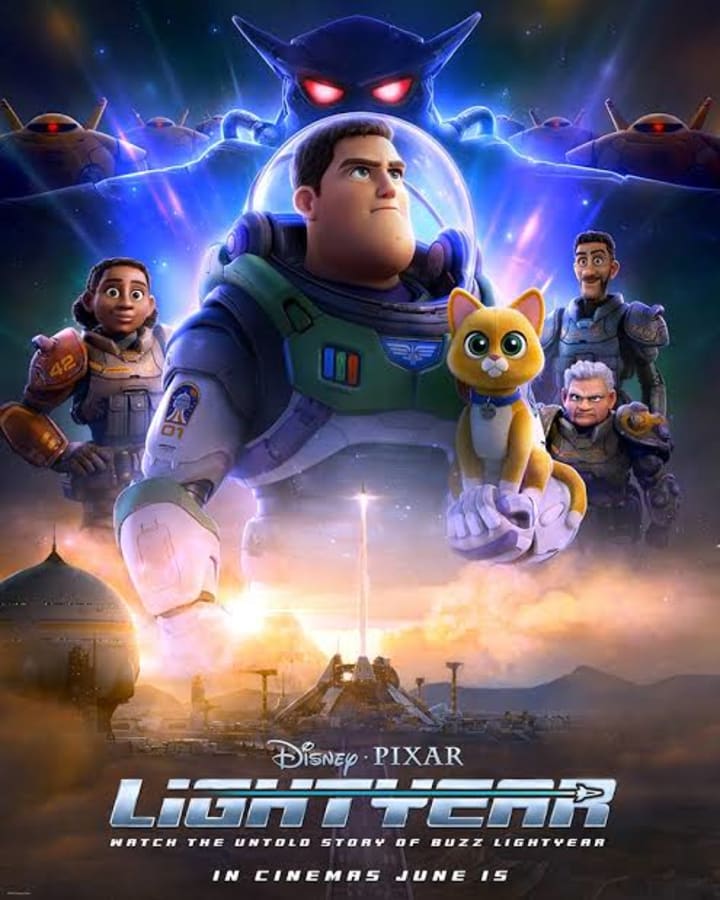
Disney's lightyear which was a movie aimed at throwing light on the very acclaimed character and household toy name Buzz lightyear was met with very heavy criticism mainly for its same-sex kissing scene and inclusivity elements, which a lot of critics tagged irrelevant to the storyline and heavily political.
The little mermaid (2023)
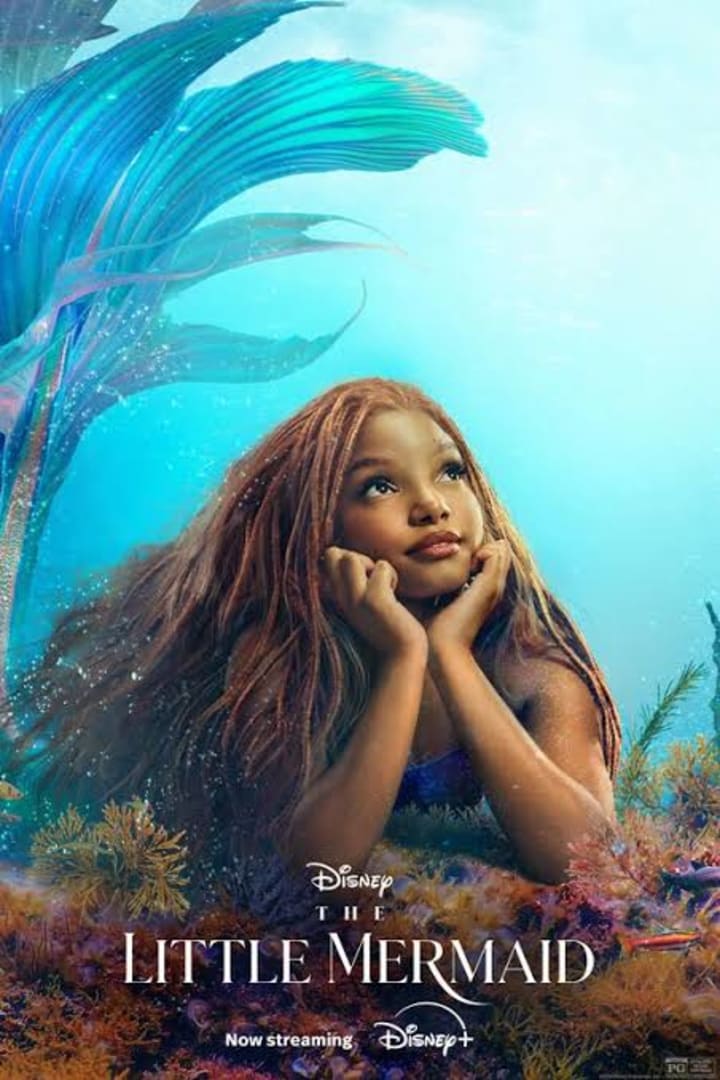
The Little Mermaid, one of 2023’s most anticipated movies, was faced with backlash as some audiences were unhappy with Disney's casting choice. While Ariel's performance wasn't much under fire, some faulted Disney for trying too hard to include wokeism to the live-action adaptation of an audience favourite cartoon.
Elemental (2023)
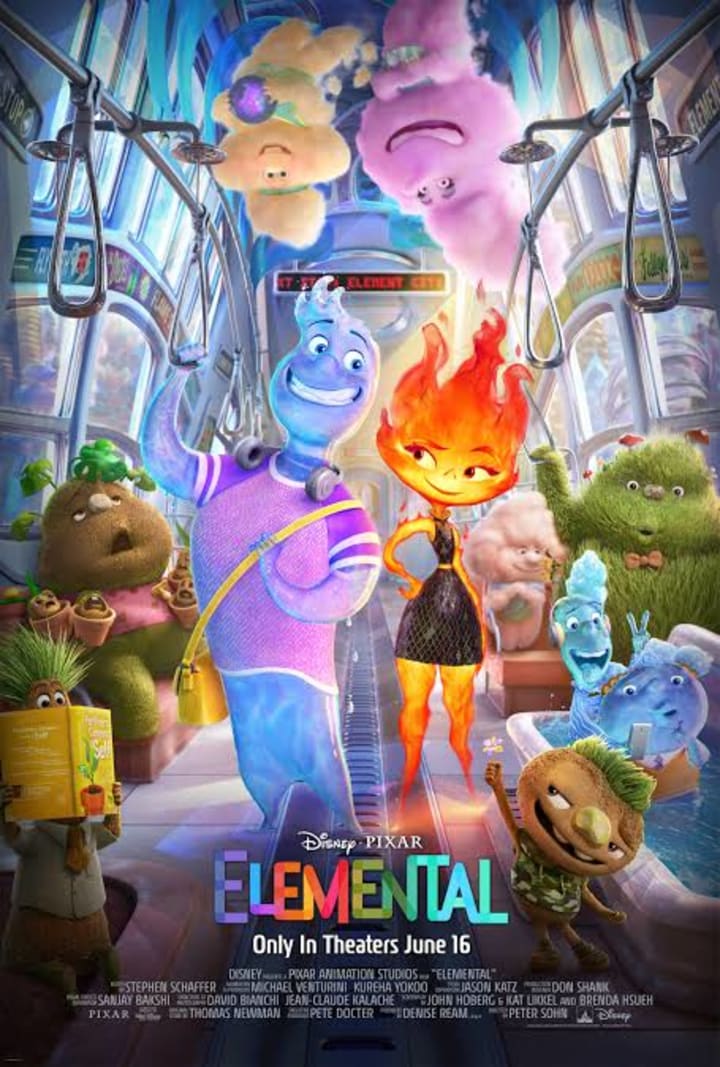
In Disney's Elemental, Disney wasn't too subtle as its attempt to showcase societal differences was seen as overwhelmingly filled with prejudice and politics for a family movie. Though it struggled at first, it subsequently gained traction with audiences.
Ruby Gillman: Teenage Kraken (2023)
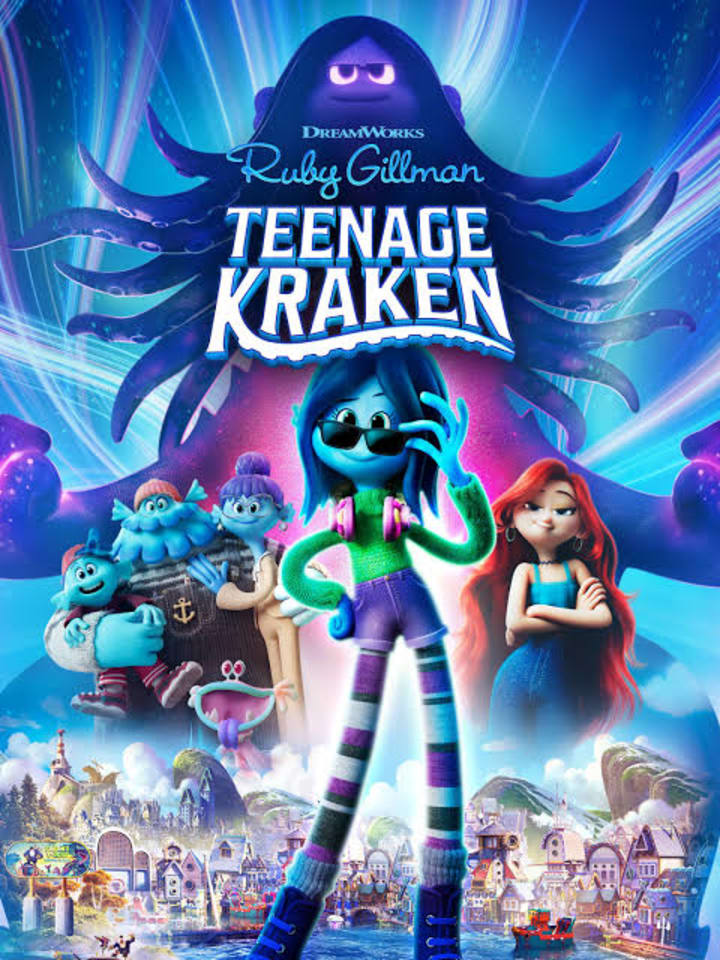
This time a DreamWorks film struggled seriously in the box office compared to other productions from the movie giant. The criticism around this movie isn't too far from the others listed, this time feminism and LGBTQ+ themes dominated this animated film.
The Marvels (2023).
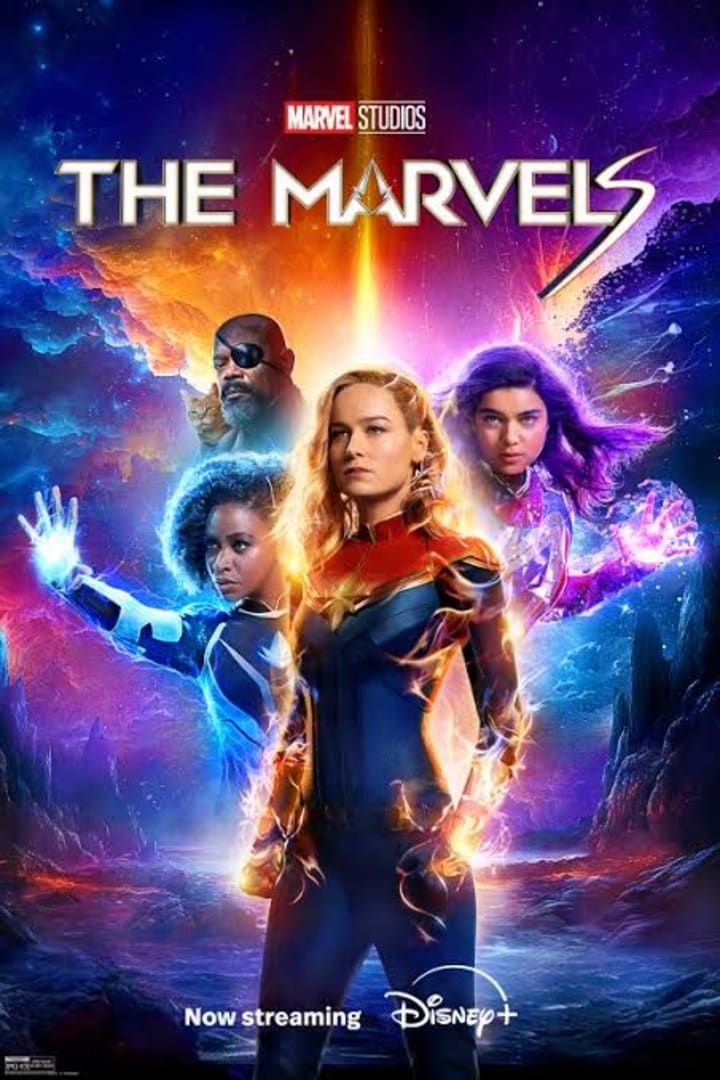
Marvel stirred audiences again in this superhero movie centered on 3 female superheroes. Two of the women are women of color. While there wasn't much to be upset about as it was regarded as a good movie, some audiences claim that it felt forced, thus impacting the movie experience.
This list shows that though most audiences may be accommodating of wokeism in movies, they would turn sour when the same themes are found in movies which are tagged ‘family movies’ or ‘children movies’.
Personal review
This article brings up a complex and nuanced issue that has become increasingly prominent in today’s cinematic landscape—the incorporation of progressive, or “woke,” themes into mainstream movies. Personally, I find it both fascinating and challenging to navigate the fine line filmmakers must tread between authentic storytelling and the risk of appearing didactic or overly politicized.
On one hand, the intent behind integrating progressive elements into films is commendable. The idea is to reflect the diverse realities of modern society, to give voice to historically underrepresented groups, and to provoke thoughtful discussions about social justice, equality, and inclusion. When done well, these themes enrich the narrative, making characters and stories more relatable and relevant to audiences from all walks of life. For instance, many viewers appreciate seeing nuanced portrayals of diverse characters, as it not only broadens perspectives but also provides a sense of validation and belonging for those who have long been marginalized.
However, the article also highlights a significant backlash that can occur when these themes are perceived as forced or inserted without a natural connection to the story. Films like Disney's *Lightyear* and *The Little Mermaid* have faced criticism for elements that some audiences feel do not mesh seamlessly with the narrative. It appears that when progressive messaging is integrated in a way that feels like an add-on rather than an organic component of the storyline, it risks alienating portions of the audience who might otherwise be open to more inclusive representations. This backlash seems especially pronounced in films categorized as “family movies” or those aimed at younger viewers, where audiences expect a certain level of escapism and narrative purity.
Moreover, the term “wokeism” itself has become a contentious label. While it originally denoted sensitivity towards systemic injustices, it is now frequently wielded as a pejorative against efforts to modernize and diversify storytelling. This polarization can sometimes overshadow the real potential for positive change in media. The challenge for filmmakers, then, is not only in how they integrate these themes but also in managing audience expectations. A film that balances progressive ideas with strong, character-driven storytelling can win hearts and minds, even if it momentarily stumbles in its delivery.
The examples listed—*Lightyear*, *The Little Mermaid*, *Elemental*, *Ruby Gillman: Teenage Kraken*, and *The Marvels*—illustrate a broader trend where the inclusion of progressive elements is met with mixed reactions. Some films, like *The Marvels*, manage to be recognized for their quality despite criticisms of feeling forced, suggesting that even when the balance isn’t perfect, there is still an appetite for stories that break away from traditional molds. Yet, the commercial and critical setbacks for some movies underline a crucial lesson: audiences are not inherently resistant to progressive themes, but they are very sensitive to how these themes are woven into the fabric of a story.
In my view, the key takeaway is that the success of integrating “woke” elements into cinema depends largely on subtlety and context. When progressive messages are an intrinsic part of character development and narrative arcs, they have the power to enhance storytelling rather than detract from it. Conversely, when these themes feel shoehorned into a story primarily for political correctness or social commentary, they can disrupt the immersive experience that viewers seek, particularly in genres where escapism is a major draw.
Ultimately, this article serves as a reminder that the evolution of cultural narratives in film is an ongoing experiment—a balancing act between artistic integrity and the diverse expectations of global audiences. As societal values shift and evolve, so too will the ways in which filmmakers address these issues. There is no one-size-fits-all formula, but striving for authenticity and cohesion in storytelling will likely be the most effective path forward. For audiences and creators alike, this period of transition in the movie industry is as much about finding common ground as it is about celebrating differences.
About the Creator
Keep reading
More stories from Elijah Okpara and writers in Humans and other communities.
I just watched Netflix’s “the king”, and it is by far the best medieval times movie ever.
Netflix's 2019 movie “the king”, staring Timothée Chalamet as Hal (King Henry V), Joel Edgerton as Falstaff, Robert Pattinson as The Dauphin, Ben Mendelsohn as King Henry IV, amongst a whole other top stars stands out as one of the best medieval times movies and here are some reasons why.
By Elijah Okpara11 months ago in Humans
The CEO of Everything
They say "jack of all trades, master of none," but they forgot to mention the part where the jack of all trades is also the camera woman, the makeup artist, and the person currently yelling at a tangled Wii microphone cable in a her own bathroom while recording herself singing and trying to make it look realistic and professional. (As professional as you can make it with nothing but a cell phone camera and a mic that doesn't work)
By Sara Wilson7 days ago in Humans
The Sound of Rain
The first thing I noticed was the sound. Not the gentle, polite drizzle that whispers against windows, but a persistent, almost stubborn rainfall that seemed determined to be heard. It filled the room with its insistent rhythm, a sound both familiar and strange, as if it were trying to tell me something I had long forgotten. I sat on the edge of my bed, laptop abandoned on my knees, and let it wash over me.
By Salman Writes4 days ago in Humans


Comments
There are no comments for this story
Be the first to respond and start the conversation.