
5 Ways Alcohol Impacts Emotions and Mental State
Emotions and Mental State
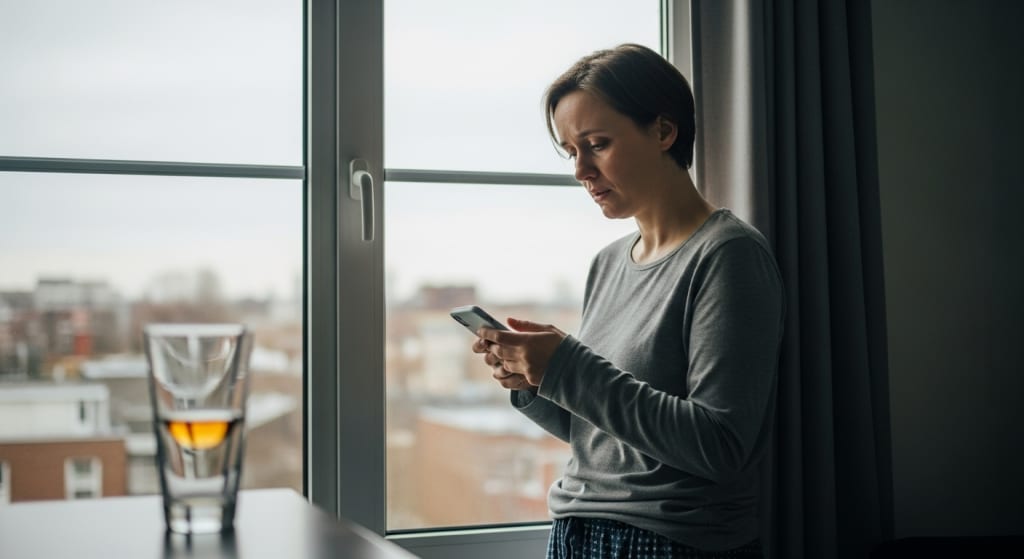
You might pour a drink expecting to relax or feel lighter, but what happens inside your mind afterward is often more complicated than we admit. I have talked to many people who were surprised by how strongly alcohol shaped their emotions, sometimes long after the buzz faded. If you have ever wondered why drinking can change how you feel, think, or react, you are not alone.
Alcohol and the Emotional High That Fades Fast
At first, alcohol can feel like an emotional boost. You may feel more confident, social, or relaxed because alcohol affects neurotransmitters like dopamine and GABA. These chemicals play a role in pleasure and calm.
The problem is that this emotional lift is temporary. Once alcohol leaves your system, the brain works to rebalance itself. That rebound can leave you feeling low, irritable, or emotionally flat. As one mental health expert put it, “What alcohol gives quickly, it often takes back with interest.”
Increased Anxiety After Drinking
Many people are shocked to discover that alcohol can actually increase anxiety. While it may quiet anxious thoughts for a short time, the after effects often do the opposite.
Why anxiety feels worse the next day
- Disrupted sleep patterns
- Dehydration and physical stress
- Changes in brain chemistry
This is why some people experience what is often called hangover anxiety. You wake up with racing thoughts, worry, or a sense of unease that feels out of proportion. If you notice this pattern in yourself, it is an important emotional signal worth paying attention to.
Alcohol and Mood Swings
Alcohol can make emotions swing more intensely than usual. You might feel happy one moment and deeply sad or angry the next. This happens because alcohol lowers inhibitions while dulling the brain’s ability to regulate emotions.
I have seen relationships strained by things said or done under the influence that did not reflect how someone truly felt. Over time, repeated mood swings linked to drinking can affect self trust and emotional stability.
Long term emotional effects
Regular drinking can make it harder for your brain to manage stress and mood even when you are sober. According to research shared by the NIAAA, heavy alcohol use is strongly associated with mood disorders, anxiety, and emotional regulation problems.
The Connection Between Alcohol and Depression
Alcohol is a depressant, and its relationship with depression is complex. Some people drink to cope with sadness or stress, only to find those feelings deepen over time.
If you have ever felt low or empty after drinking, you are not imagining it. Alcohol interferes with serotonin levels, which are closely tied to mood. Over time, this can increase feelings of hopelessness or emotional numbness.
If post drinking sadness has become familiar to you, learning more about treatment approaches for post drinking depression can help you understand what is happening and what support options exist. Sometimes clarity alone can be a powerful first step toward feeling better.
Alcohol’s Impact on Emotional Awareness and Decision Making
Another emotional effect of alcohol is reduced self awareness. When you drink, it becomes harder to accurately read your own feelings and the emotions of others. This can lead to impulsive decisions that you might not make otherwise.
You may say yes when you mean no, avoid hard conversations, or ignore emotional boundaries. Over time, this can chip away at self respect and increase feelings of guilt or regret later on.
Why this matters for mental health
Emotional awareness is a key part of mental well being. When alcohol repeatedly blocks that awareness, it becomes harder to process emotions in healthy ways. This can keep you stuck in cycles you do not fully understand.
Emotional Dependence and the Risk of Avoidance
One of the quieter ways alcohol affects mental health is by becoming an emotional shortcut. If drinking becomes your main way to relax, cope, or escape, your emotional growth can stall.
When alcohol replaces emotional coping skills, stress and unresolved feelings often return stronger. Over time, this pattern can increase emotional dependence and make it harder to face challenges without drinking.
Final Thoughts
Alcohol does not just affect your body. It reaches into your emotional world, shaping how you feel about yourself, your relationships, and your future. Paying attention to these changes is not about judgment. It is about awareness.
If drinking has started to affect your mood, anxiety, or sense of balance, that awareness can guide you toward healthier choices and meaningful support. Your emotions are not random. They are information, and they deserve to be heard.
About the Creator
Keep reading
More stories from Jordyn Mastrodomenico and writers in Humans and other communities.
How Suboxone Strips Work Compared to Tablets
If you or someone you care about is using Suboxone as part of opioid recovery, you have probably noticed it comes in two main forms. Strips and tablets may contain similar ingredients, but the way they work in your body and fit into your routine can feel very different. I want to walk you through these differences in a clear, human way so you can better understand what might work best for you and why doctors often lean toward one option over the other.
By Jordyn Mastrodomenicoa day ago in Humans
Whiskey At Dusk
Guess the whiskey was more important to you in the end, wasn’t it? It was more than the well-being of your friends; more vital than showing up to the places you promised you would and could come to; more critical of a matter than fulfilling your damn responsibilities and getting the press off your back.
By Snarky Lisa4 days ago in Humans


Comments
There are no comments for this story
Be the first to respond and start the conversation.