
5 most common mental illnesses
Depression,Anxiety,Bipolar disorder,Schizophrenia & Substance use disorders

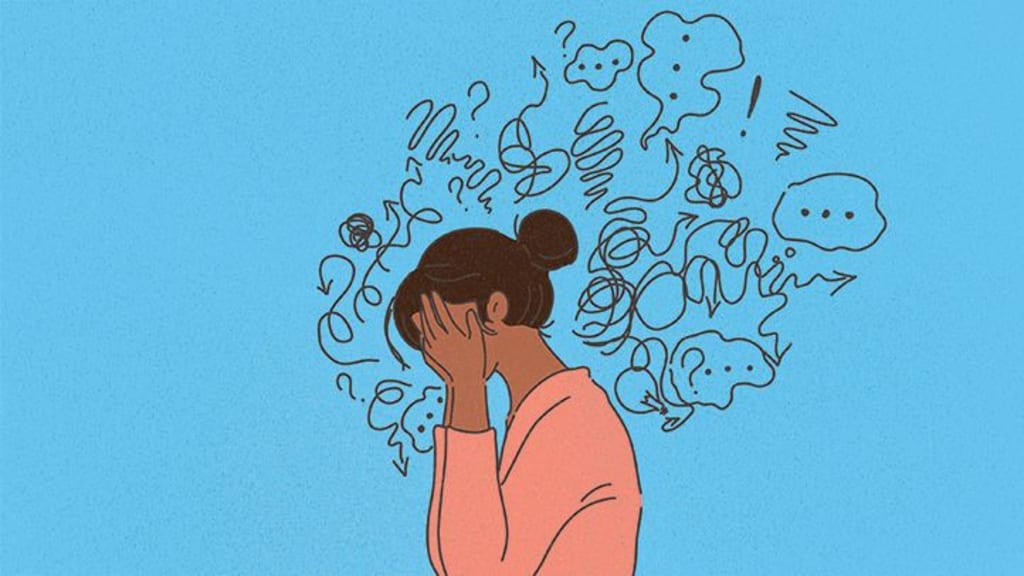
!!!Do not forget to get help from a specialist if you have mental and nervous diseases.
Depression: Depression is a mood disorder that affects an estimated 264 million people worldwide. It is characterized by persistent feelings of sadness, hopelessness, and a loss of interest in activities that were once enjoyed.
Anxiety disorders: Anxiety disorders are a group of conditions that involve excessive fear or worry. They are the most common mental illnesses in the United States, affecting an estimated 40 million adults. Some common anxiety disorders include generalized anxiety disorder (GAD), panic disorder, and social anxiety disorder.
Bipolar disorder: Bipolar disorder is a mental illness that causes extreme mood swings, including periods of mania and depression. It affects approximately 2.8% of adults in the United States.
Schizophrenia: Schizophrenia is a chronic mental illness that affects an estimated 20 million people worldwide. It is characterized by a range of symptoms, including hallucinations, delusions, and disordered thinking.
Substance use disorders: Substance use disorders, also known as addiction, involve the compulsive use of drugs or alcohol despite negative consequences. They affect millions of people worldwide and are associated with a range of physical, mental, and social problems.
symptoms of depression/
Persistent feelings of sadness, hopelessness, or emptiness.
Loss of interest in activities that were once enjoyable.
Changes in appetite, which can lead to weight gain or weight loss.
Difficulty sleeping or oversleeping.
Fatigue or loss of energy.
Feelings of worthlessness or guilt.
Difficulty concentrating or making decisions.
Thoughts of death or suicide.
Physical symptoms, such as headaches, digestive problems, or aches and pains.
symptoms of Anxiety
Excessive worry or fear about everyday events or activities.
Difficulty controlling worries or intrusive thoughts.
Restlessness or feeling on edge.
Muscle tension or physical symptoms such as shaking or sweating.
Difficulty concentrating or focusing on tasks.
Irritability or easily agitated.
Avoidance of situations that trigger anxiety.
Panic attacks, which can include symptoms such as shortness of breath, chest pain, dizziness, and a feeling of impending doom.
Sleep disturbances, such as difficulty falling or staying asleep.
symptoms of bipolar disorder/
Manic episodes, which can include symptoms such as feeling extremely happy or elated, having racing thoughts or speech, engaging in risky behaviors, and having a decreased need for sleep.
Depressive episodes, which can include symptoms such as persistent feelings of sadness or hopelessness, loss of interest in activities that were once enjoyable, changes in appetite or sleep, fatigue, and difficulty concentrating or making decisions.
Mixed episodes, which can include symptoms of both mania and depression, such as feeling agitated or restless while also experiencing sadness or hopelessness.
Rapid cycling, which occurs when a person experiences four or more mood episodes in a year.
Psychotic symptoms, such as hallucinations or delusions, which can occur during severe manic or depressive episodes.
Impaired functioning in work, school, or social activities.
Substance abuse, which can occur as a way to cope with the symptoms of bipolar disorder.
symptoms of schizophrenia/
Delusions, which are false beliefs that are not based in reality.
Hallucinations, which are sensory experiences that occur in the absence of external stimuli, such as hearing voices or seeing things that aren't there.
Disorganized thinking, which can make it difficult to communicate effectively or to make sense of information.
Abnormal motor behavior, such as repetitive movements or catatonia, which is a state of unresponsiveness.
Negative symptoms, which can include a lack of motivation, social withdrawal, and a decrease in emotional expression.
Cognitive difficulties, such as difficulty with memory, attention, and decision-making.
symptoms of Substance use disorders/
Taking more of the substance than intended, or using it for longer than intended.
Difficulty controlling or cutting down on use.
Spending a lot of time using the substance or recovering from its effects.
Cravings or a strong desire to use the substance.
Continued use of the substance despite negative consequences, such as problems with work, school, or relationships.
Using the substance in situations where it is physically hazardous, such as driving under the influence.
Tolerance, which occurs when a person needs more of the substance to achieve the desired effects.
Withdrawal symptoms, which can include physical symptoms such as tremors, sweating, and nausea, as well as psychological symptoms such as anxiety or depression.
About the Creator
İbrahim Tuna
it's funny
Keep reading
More stories from İbrahim Tuna and writers in Humans and other communities.
Valentine’s Day Chat Up Lines That Get Replies Not Ghosted
Valentine's Day adds strain. Messages are more important. With one lousy opening, the conversation dies. We've all seen it. A dry greeting. A copied line. There was silence afterwards. Attention is quickly gained and lost by Generation Z. That's why Valentine's Day chat lines require more than just charm. They require timing, tone, and genuine intent.
By Relationship Guide5 days ago in Humans



Comments
There are no comments for this story
Be the first to respond and start the conversation.