
100% Effective Communication in Relationships
How Improving Communication Can Help Resolve Issues in Your Personal Relationships
Communication is the cornerstone of human interaction and the foundation of personal relationships. Whether it's your romantic partner, family, friends, or colleagues, the quality of communication profoundly affects the health and longevity of these connections. The ability to express thoughts, emotions, and needs while listening to and understanding others is essential for building and maintaining successful relationships. In this comprehensive exploration, we will delve deep into the importance of effective communication in personal relationships, the challenges it often entails, and practical solutions for improvement. As we embark on this journey, it becomes evident that better communication not only resolves existing issues but also prevents new ones from arising, making it a vital skill for a fulfilling and harmonious life.
I. The Crucial Role of Communication in Relationships
Effective communication serves as the foundation upon which strong and lasting relationships are built. It is a dynamic process involving the exchange of information, thoughts, feelings, and ideas between individuals. This interaction is essential for the following reasons:
A. Understanding and Empathy
Effective communication is the vehicle through which individuals gain insight into each other's thoughts, emotions, and perspectives. It fosters understanding and empathy, enabling partners to see the world through each other's eyes. When you understand your partner's viewpoint, you can better connect with their feelings and needs, which is the bedrock of a compassionate and harmonious relationship.
B. Conflict Resolution
Conflicts are an inevitable part of any relationship. However, they need not lead to relationship breakdowns. Effective communication provides a platform for addressing and resolving conflicts. It allows individuals to express their concerns, actively listen to each other, and work together to find mutually satisfying solutions. Without communication, conflicts can escalate, leading to resentment and emotional distance.
C. Trust and Intimacy
Transparent and honest communication fosters trust and intimacy. When individuals feel safe expressing themselves without fear of judgment, it deepens their emotional connection. Trust is built through consistency and openness in communication. A partner who consistently communicates honestly and openly is more likely to be trusted and vice versa.
D. Positive Reinforcement
Affirming and positive communication can boost each other's self-esteem and confidence, leading to a more positive and supportive atmosphere in personal relationships. When individuals feel valued and appreciated through words of encouragement, it strengthens their self-worth and belief in the relationship.
II. Challenges in Communication
Despite the critical role that communication plays in relationships, it is not always a smooth and easy process. Several challenges can impede effective communication.
A. Misunderstandings and Misinterpretations
One of the most common challenges in relationships is the breakdown of communication. People often struggle to express their thoughts and feelings effectively, leading to misunderstandings, misinterpretations, and conflicts. Miscommunication can manifest as silence, avoidance, or unhealthy arguments.
B. Emotional Barriers
Emotions can be both a driving force and a barrier to effective communication. Emotions like anger, fear, and anxiety can cloud judgment and lead to impulsive, irrational responses. Emotional barriers can hinder a clear and rational exchange of ideas and feelings.
C. Differences in Communication Styles
Each individual brings their unique communication style to a relationship, which can lead to misunderstandings. Some individuals may be more reserved and use fewer words, while others are more expressive and articulate. These differences can lead to misconceptions about each other's intentions and priorities.
D. Lack of Active Listening
Listening is a critical aspect of communication. However, many people focus more on speaking than on listening. In personal relationships, this can lead to partners not feeling heard or understood. Active listening, where one genuinely pays attention and responds to what the other person is saying, is often lacking.
III. The Impact of Poor Communication
When communication is lacking or ineffective in personal relationships, the consequences can be significant and far-reaching.
A. Frustration and Resentment
Ineffective communication often results in frustration and resentment. When partners cannot convey their needs or when they feel unheard, they can become increasingly frustrated. Unresolved issues can fester and grow, leading to ongoing resentment.
B. Emotional Distance
A lack of communication can result in emotional distance between individuals. When partners stop communicating openly and honestly, they may feel disconnected and alienated from each other. Emotional distance can lead to a sense of loneliness and isolation within the relationship.
C. Escalation of Issues
Unresolved issues that stem from poor communication can escalate into more significant problems. What might have been a minor disagreement if addressed promptly can become a deep-seated issue that threatens the stability of the relationship.
D. Breakdown of Trust
Trust is fragile, and when communication breaks down, trust can erode rapidly. A lack of honesty, secrecy, or frequent misunderstandings can undermine the foundation of trust in a relationship.
IV. Solutions to Enhance Communication in Personal Relationships
Recognizing the importance of effective communication and the challenges it poses, it's crucial to implement practical solutions that can improve communication within personal relationships. Here are strategies to enhance communication:
A. Active Listening
Active listening is a cornerstone of effective communication. It involves giving your full attention to the speaker, understanding their perspective, and responding thoughtfully. Encourage your partner or loved ones to share their thoughts and feelings, and actively listen without interrupting or formulating your response before they finish speaking.
If you would like me to continue with this essay, please let me know if there are any specific areas or solutions you'd like to explore in more depth.
About the Creator
Keep reading
More stories from writers in Humans and other communities.
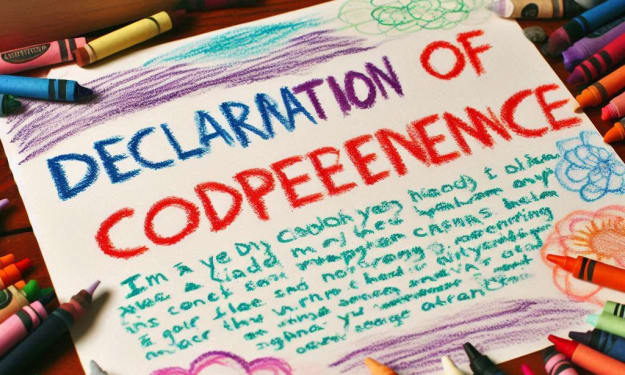
A Historic Declaration
We the People of the Husbands of the United States of America, in Order to form a more perfect Union, and I mean you...with me...establish Justice, insure domestic Tranquility, provide for the common defence, promote the general Welfare, and secure the Blessings of Liberty to ourselves, after Puberty, do ordain and establish this Declaration of Co-Dependence.
By Gerard DiLeo11 days ago in Humans
Dating Cross-Culturally Tips For Understanding Differences And Building Connection
It is necessary to adopt cultural awareness in dating a person of a different culture. The initial step towards having a healthy cross-cultural relationship is to understand that beliefs, values, and traditions might not be the same as yours. Curiosity is fostered by awareness and not judgment, and both partners will be able to value different points of view.
By Willian James3 days ago in Humans


Comments
There are no comments for this story
Be the first to respond and start the conversation.