
10 SUPERFOODS TO INCREASE STAMINA
11 EXCITING MEALS TO IMPROVE STAMINA


1."Turmeric"

Turmeric is a spice that comes from the turmeric plant (Curcuma longa). It's commonly used in cooking, particularly in Indian and Middle Eastern dishes. Here are some key details about turmeric:
*Benefits:*
1. Anti-inflammatory properties: Turmeric contains curcumin, which has potent anti-inflammatory and antioxidant properties.
2. Improves cognitive function: Turmeric may help prevent or slow down neurodegenerative diseases like Alzheimer's and Parkinson's.
3. Supports heart health: Turmeric may help lower cholesterol levels and prevent blood clots.
4. Aids digestion: Turmeric has been used to treat digestive issues like bloating, gas, and indigestion.
5. May help manage pain: Turmeric's anti-inflammatory properties may help alleviate pain and reduce reliance on painkillers.
*Nutritional Value:*
1. Rich in antioxidants
2. Good source of vitamin C and vitamin E
3. Contains minerals like potassium, magnesium, and iron
4. Low in calories and fat
*Uses:*
1. Cooking: Turmeric is a key ingredient in many recipes, particularly in Indian and Middle Eastern cuisine.
2. Supplements: Turmeric is available in capsule or powder form as a dietary supplement.
3. Skincare: Turmeric's antioxidants and anti-inflammatory properties make it a popular ingredient in skincare products.
4. Ayurvedic medicine: Turmeric has been used for centuries in Ayurvedic medicine to treat various health issues.
*Precautions:*
1. Interacts with medications: Turmeric may interact with blood thinners, diabetes medications, and certain antidepressants.
2. High doses may cause side effects: Consuming excessive turmeric may lead to stomach upset, diarrhea, or allergic reactions.
3. Pregnancy and breastfeeding: Consult a healthcare professional before using turmeric supplements during pregnancy or breastfeeding.
2."Spinach"

Rich in iron and vitamins, spinach helps improve oxygen delivery to the muscles, reducing fatigue
_Benefits:_
1. Rich in antioxidants: Spinach contains beta-carotene, lutein, and zeaxanthin, which protect cells from damage.
2. Anti-inflammatory properties: Spinach's flavonoids and carotenoids may help reduce inflammation.
3. Supports eye health: Spinach's lutein and zeaxanthin may reduce the risk of age-related macular degeneration.
4. May reduce cancer risk: Spinach's antioxidants and other compounds may help protect against certain cancers.
5. Supports bone health: Spinach is rich in calcium and vitamin K, essential for bone health.
_Nutritional Value:_
1. Low in calories (7 calories per cup)
2. Rich in vitamins A, C, and K
3. Good source of iron, calcium, and potassium
4. High in fiber (4 grams per cup)
_Uses:_
1. Cooking: Spinach is a versatile ingredient in many recipes, from smoothies to sautéed dishes.
2. Salads: Fresh spinach leaves add nutrition and flavor to salads.
3. Juicing: Spinach is a popular ingredient in green juices.
4. Supplements: Spinach extract or powder is available as a dietary supplement.
_Precautions:_
1. Allergies: Some individuals may be allergic to spinach, causing symptoms like hives or itching.
2. Interacts with medications: Spinach's high vitamin K content may interact with blood thinners.
3. Digestive issues: Spinach's high fiber content may cause digestive issues in some individuals.
4. Contamination risk: Fresh spinach may be contaminated with bacteria like E. coli; wash thoroughly before consumption.
_Fun Facts:_
1. Spinach is a member of the beet family.
2. The world's largest spinach producer is China.
3. Spinach is a natural dye, used to create green color in foods and textiles.
4. Popeye's love for spinach was inspired by a 19th-century German scientist who promoted its health benefits.
3."Amla"

Amla is an undisputable energy enhancer. There are several ways you can consume amla. It gives you stamina, removes toxin, and eliminates stress
_Benefits:_
1. High in Vitamin C: Amla is one of the richest sources of vitamin C, essential for immunity and skin health.
2. Antioxidant properties: Amla's antioxidants protect cells from damage, reducing the risk of chronic diseases.
3. Supports hair and scalp health: Amla's vitamin C and antioxidants promote healthy hair growth and reduce dandruff.
4. May help manage blood sugar: Amla's fiber and antioxidants may help regulate blood sugar levels.
5. Supports digestive health: Amla's fiber and antioxidants may help alleviate constipation and other digestive issues.
_Nutritional Value:_
1. Rich in vitamin C (1,065mg per 100g)
2. Good source of vitamin A, calcium, and iron
3. High in fiber (3.5g per 100g)
4. Low in calories (44 calories per 100g)
_Uses:_
1. Ayurvedic medicine: Amla is used to treat various health issues, including digestive problems and skin conditions.
2. Cooking: Amla is used in Indian cuisine to make pickles, chutneys, and jams.
3. Supplements: Amla extract or powder is available as a dietary supplement.
4. Hair care: Amla oil or powder is used to promote hair growth and reduce dandruff.
_Precautions:_
1. Allergies: Some individuals may be allergic to Amla, causing symptoms like hives or itching.
2. Interacts with medications: Amla's high vitamin C content may interact with blood thinners and diabetes medications.
3. Digestive issues: Amla's high fiber content may cause digestive issues in some individuals.
4. Pregnancy and breastfeeding: Consult a healthcare professional before using Amla supplements during pregnancy or breastfeeding.
_Fun Facts:_
1. Amla is also known as Indian Gooseberry or Amalaki.
2. Amla is considered a sacred fruit in Hinduism and is mentioned in ancient Ayurvedic texts.
3. Amla is a key ingredient in the popular Indian hair care product, Amla oil.
4. Amla is grown in many parts of India and is considered a lucrative crop for farmers.
4."Garlic"
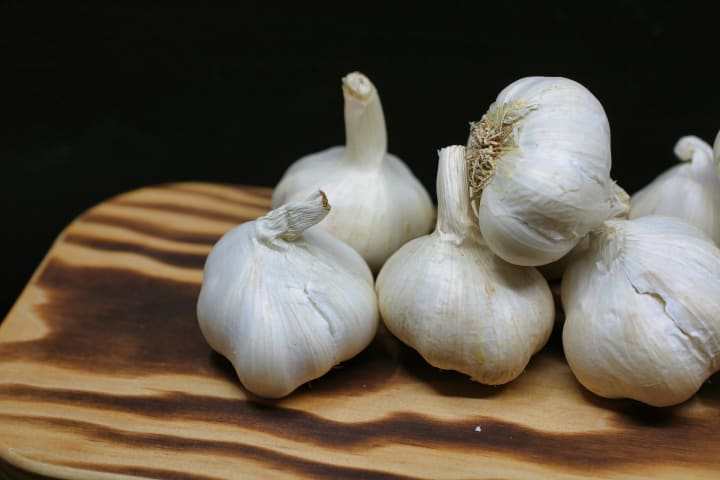
The allicin compound in garlic increases stamina in men. Many health experts recommend garlic and honey to treat erectile dysfunctioning.
_Benefits:_
1. Cardiovascular health: Garlic may help lower cholesterol and blood pressure, reducing the risk of heart disease.
2. Immune system support: Garlic contains compounds that have antibacterial, antiviral, and antifungal properties.
3. Cancer prevention: Garlic's antioxidants and sulfur compounds may help reduce the risk of certain cancers.
4. Digestive health: Garlic may help alleviate digestive issues like bloating, gas, and diarrhea.
5. Respiratory health: Garlic's expectorant properties may help relieve cold and flu symptoms.
_Nutritional Value:_
1. Low in calories (4 calories per clove)
2. Rich in vitamin C and vitamin B6
3. Good source of manganese, copper, and selenium
4. Contains fiber and antioxidants
_Uses:_
1. Cooking: Garlic is a fundamental ingredient in many cuisines, adding flavor to various dishes.
2. Supplements: Garlic extract or powder is available as a dietary supplement.
3. Medicinal uses: Garlic is used to treat various health issues, including colds, flu, and digestive problems.
4. Skincare: Garlic's antioxidants and antibacterial properties make it a popular ingredient in skincare products.
_Precautions:_
1. Allergies: Some individuals may be allergic to garlic, causing symptoms like hives or itching.
2. Interacts with medications: Garlic may interact with blood thinners, diabetes medications, and certain antibiotics.
3. Digestive issues: Garlic's sulfur compounds may cause digestive issues in some individuals.
4. Pregnancy and breastfeeding: Consult a healthcare professional before using garlic supplements during pregnancy or breastfeeding.
_Fun Facts:_
1. Garlic is a member of the Allium family, which includes onions, leeks, and chives.
2. Garlic has been used for medicinal purposes for over 5,000 years.
3. The world's largest garlic producer is China.
4. Garlic is a natural insect repellent and is often used in organic gardening.
5."Millets"

Millets are the healthiest sources of nutrition. You can include foxtail millets, barnyard millets, amaranth, and araka for stamina and immunity
_Benefits:_
1. Gluten-free: Millets are gluten-free, making them suitable for people with gluten intolerance or celiac disease.
2. High in fiber: Millets are rich in dietary fiber, which can help with digestion and satiety.
3. Protein-rich: Millets are a good source of protein, making them an excellent option for vegetarians and vegans.
4. Rich in antioxidants: Millets contain various antioxidants, which can help protect against chronic diseases.
5. Supports heart health: Millets' fiber, potassium, and antioxidants may help lower cholesterol and blood pressure.
_Nutritional Value:_
1. Low in calories (100-150 calories per 100g)
2. Rich in vitamins B and E
3. Good source of minerals like iron, zinc, and potassium
4. High in fiber (2-5g per 100g)
_Types:_
1. Sorghum
2. Pearl millet
3. Foxtail millet
4. Finger millet
5. Little millet
6. Kodo millet
7. Barnyard millet
8. Proso millet
_Uses:_
1. Porridges
2. Baked goods
3. Salads
4. Soups
5. Stir-fries
6. Breakfast cereals
7. Animal feed
_Precautions:_
1. Allergies: Some individuals may be allergic to millets, causing symptoms like hives or itching.
2. Digestive issues: Millets' high fiber content may cause digestive issues in some individuals.
3. Interaction with medications: Millets may interact with blood thinners and diabetes medications.
_Fun Facts:_
1. Millets are ancient grains, cultivated for over 10,000 years.
2. Millets are a staple food in many African and Asian countries.
3. Millets are drought-tolerant and require less water than other grains.
4. Millets come in various colors, including white, yellow, gray, and red.
6."Nuts and seeds"

Almonds, walnuts, and pumpkin seeds are high in healthy fats, protein, and fiber, providing a steady source of energy.
*Nuts:*
- Benefits:
- Rich in healthy fats, protein, and fiber
- Supports heart health and weight management
- May reduce risk of chronic diseases like diabetes and cancer
- Nutritional Value:
- High in calories (160-200 per ounce)
- Rich in vitamins E and B6, magnesium, and potassium
- Good source of antioxidants and phytochemicals
- Types:
- Almonds
- Walnuts
- Pecans
- Brazil nuts
- Cashews
- Hazelnuts
- Pistachios
- Uses:
- Snacking
- Baking
- Cooking
- Salads
- Trail mix
- Precautions:
- Allergies: Some individuals may be allergic to nuts, causing symptoms like hives or itching.
- Digestive issues: Nuts' high fat content may cause digestive issues in some individuals.
*Seeds:*
- Benefits:
- Rich in healthy fats, protein, and fiber
- Supports heart health and weight management
- May reduce risk of chronic diseases like diabetes and cancer
- Nutritional Value:
- High in calories (100-150 per ounce)
- Rich in vitamins E and B6, magnesium, and potassium
- Good source of antioxidants and phytochemicals
- Types:
- Chia seeds
- Flaxseeds
- Hemp seeds
- Pumpkin seeds
- Sunflower seeds
- Sesame seeds
- Poppy seeds
- Uses:
- Baking
- Cooking
- Salads
- Smoothies
- Trail mix
- Precautions:
- Allergies: Some individuals may be allergic to seeds, causing symptoms like hives or itching.
- Digestive issues: Seeds' high fiber content may cause digestive issues in some individuals.
*Fun Facts:*
- Nuts and seeds are a good source of plant-based protein.
- Almonds are the most widely consumed nut in the world.
- Chia seeds are a rich source of omega-3 fatty acids.
- Sesame seeds are a good source of calcium and vitamin E.
- Pumpkin seeds are a good source of magnesium and zinc.
7."Salmon"

High in protein and omega-3 fatty acids, salmon supports heart health, reduces inflammation, and enhances overall stamina.
_Benefits:_
1. High-quality protein: Salmon is an excellent source of protein, essential for muscle growth and repair.
2. Rich in omega-3 fatty acids: Salmon's omega-3s support heart health, reduce inflammation, and promote brain function.
3. Antioxidant-rich: Salmon contains antioxidants like vitamin D and selenium, which protect cells from damage.
4. May reduce chronic disease risk: Salmon's omega-3s and antioxidants may help reduce the risk of heart disease, cancer, and cognitive decline.
5. Supports bone health: Salmon is a good source of vitamin D and calcium, essential for bone health.
_Nutritional Value (per 3 oz serving):_
1. Protein: 20g
2. Fat: 12g
3. Omega-3 fatty acids: 1.8g
4. Vitamin D: 60% of the Daily Value (DV)
5. Selenium: 45% of the DV
6. Calcium: 2% of the DV
_Types:_
1. Chinook (King)
2. Sockeye (Red)
3. Coho (Silver)
4. Pink (Humpback)
5. Atlantic
_Preparation Methods:_
1. Grilling
2. Baking
3. Poaching
4. Pan-searing
5. Smoking
_Precautions:_
1. Mercury content: Salmon may contain mercury, which can harm human health in excess. Vary your fish intake to minimize exposure.
2. Allergies: Some individuals may be allergic to salmon, causing symptoms like hives or itching.
3. Interaction with medications: Salmon's omega-3s may interact with blood thinners and diabetes medications.
_Fun Facts:_
1. Salmon is anadromous, meaning it migrates from saltwater to freshwater to spawn.
2. Salmon's omega-3s are essential for fetal brain development during pregnancy.
3. Salmon is a popular sport fish, with many anglers seeking to catch them.
4. Salmon is a key food source for bears, eagles, and other wildlife.
8."Ghee"

Desi ghee is rich in healthy fats that provides the body and the mind the right amount of energy. 100 ml of ghee gives more than 800 calories of energy
_Benefits:_
1. Rich in fat-soluble vitamins: Ghee is a good source of vitamins A, D, E, and K.
2. Supports heart health: Ghee's fatty acids may help lower cholesterol and reduce heart disease risk.
3. Improves digestion: Ghee's fatty acids may help improve gut health and reduce inflammation.
4. May improve cognitive function: Ghee's fatty acids and antioxidants may support brain health.
5. Supports bone health: Ghee is a good source of calcium and vitamin K, essential for bone health.
_Nutritional Value (per tablespoon):_
1. Calories: 112
2. Fat: 12.7g
3. Saturated fat: 8g
4. Cholesterol: 30mg
5. Vitamin A: 10% of the Daily Value (DV)
6. Vitamin E: 10% of the DV
7. Vitamin K: 5% of the DV
_Production Process:_
1. Clarification: Butter is melted and separated from its milk solids.
2. Heat treatment: The butterfat is heated to remove impurities and develop flavor.
3. Strain and filter: The ghee is strained and filtered to remove remaining impurities.
_Types:_
1. Traditional ghee (made from cow's milk)
2. Buffalo ghee (made from buffalo milk)
3. Goat ghee (made from goat's milk)
4. Sheep ghee (made from sheep's milk)
_Uses:_
1. Cooking: Ghee is used for sautéing, frying, and making sauces.
2. Ayurvedic medicine: Ghee is used as a carrier for herbal remedies.
3. Skincare: Ghee's fatty acids and antioxidants make it a popular ingredient in skincare products.
_Precautions:_
1. Allergies: Some individuals may be allergic to ghee, causing symptoms like hives or itching.
2. Interaction with medications: Ghee's fatty acids may interact with blood thinners and diabetes medications.
3. Quality concerns: Choose high-quality ghee from reputable sources to ensure purity and nutritional value.
9."Bananas"

High in potassium and carbohydrates, bananas are a quick source of energy and are great for replenishing electrolytes after exercise
Here are some key details about Bananas:
_Benefits:_
1. Rich in potassium: Bananas are an excellent source of potassium, essential for heart health and muscle function.
2. Good source of fiber: Bananas contain dietary fiber, which supports healthy digestion and bowel function.
3. Antioxidant-rich: Bananas contain antioxidants like vitamin C and phenolic compounds, which protect cells from damage.
4. Supports healthy bones: Bananas are a good source of several minerals, including calcium, magnesium, and potassium, essential for bone health.
5. May support weight management: Bananas are low in calories and high in fiber, making them a good choice for those trying to manage their weight.
_Nutritional Value (per medium banana):_
1. Calories: 105
2. Fiber: 3g
3. Potassium: 422mg (12% of the Daily Value (DV))
4. Vitamin C: 10mg (17% of the DV)
5. Vitamin B6: 0.5mg (25% of the DV)
_Types:_
1. Cavendish (most commonly consumed)
2. Gros Michel (larger and sweeter)
3. Lady Finger (small and slender)
4. Plantain (starchier and often cooked)
_Uses:_
1. Snacking
2. Smoothies
3. Baking
4. Cooking
5. Freezing (for banana "ice cream")
_Precautions:_
1. Allergies: Some individuals may be allergic to bananas, causing symptoms like hives or itching.
2. Interaction with medications: Bananas' high potassium content may interact with certain medications, like beta-blockers.
3. Digestive issues: Some individuals may experience digestive issues, like bloating or gas, after consuming bananas.
_Fun Facts:_
1. Bananas are a type of herb (belonging to the same family as lilies and orchids)!
2. The stringy bits in bananas are called "phloem bundles."
3. Bananas are naturally radioactive (due to their high potassium content)!
4. The world's largest banana producer is India.
10."Chia seeds"

These tiny seeds are rich in omega-3 fatty acids, fiber, and protein, providing a steady release of energy and helping with hydration
_Types:_
1. Black Chia Seeds: These are the most commonly available type and have a mild, nutty flavor.
2. White Chia Seeds: These have a milder flavor than black chia seeds and are often used in baking.
3. Gray Chia Seeds: These have a slightly sweet flavor and are often used in salads and smoothies.
4. Brown Chia Seeds: These have a nuttier flavor than black chia seeds and are often used in baking.
_Health Benefits:_
1. Supports Heart Health: Chia seeds' omega-3s and fiber may help lower cholesterol and blood pressure.
2. Aids in Weight Loss: Chia seeds' fiber and protein may help with weight loss and management.
3. Supports Healthy Blood Sugar Levels: Chia seeds' fiber and omega-3s may help slow down sugar absorption.
4. Promotes Healthy Gut Bacteria: Chia seeds' prebiotic fiber supports healthy gut bacteria.
_Culinary Uses:_
1. Add to smoothies and juices
2. Mix with yogurt or oatmeal
3. Use as an egg substitute in baking
4. Add to salads and stir-fries
5. Make chia seed pudding by soaking in almond milk or water
_Storage:_
1. Store in an airtight container
2. Keep in a cool, dry place
3. Refrigerate or freeze to extend shelf life
_Allergies and Interactions:_
1. Allergic reactions are rare, but may occur
2. Interacts with blood thinners, diabetes medications, and blood pressure medications
3. Consult a healthcare professional before consuming chia seeds if you have any underlying health conditions.
11."Quinoa"

Packed with protein, fiber, and essential nutrients, quinca provides long-lasting energy and helps prevent energy crashes.
Here are some key details about Quinoa:
_Benefits:_
1. Complete protein: Quinoa contains all nine essential amino acids, making it a great source of protein.
2. Gluten-free: Quinoa is gluten-free, making it a great option for those with gluten intolerance or celiac disease.
3. High in fiber: Quinoa is high in dietary fiber, which supports healthy digestion and bowel function.
4. Rich in antioxidants: Quinoa contains antioxidants like vitamin E and manganese, which protect cells from damage.
5. May support heart health: Quinoa's fiber, protein, and antioxidants may help lower cholesterol and blood pressure.
_Nutritional Value (per cup cooked):_
1. Calories: 150
2. Protein: 8g
3. Fiber: 5g
4. Iron: 2mg (10% of the Daily Value (DV))
5. Magnesium: 70mg (20% of the DV)
6. Manganese: 1mg (50% of the DV)
_Types:_
1. White Quinoa: Most commonly available type, with a mild flavor.
2. Red Quinoa: Has a slightly sweeter flavor and chewier texture.
3. Black Quinoa: Has a stronger, earthier flavor and crunchier texture.
4. Tri-Color Quinoa: A blend of white, red, and black quinoa.
_Culinary Uses:_
1. Salads
2. Side dishes
3. Stir-fries
4. Stuffed peppers
About the Creator
mukesh jaiswar
you are tite then you can try your future bright
Keep reading
More stories from mukesh jaiswar and writers in Humans and other communities.
Positive Thinking
Your thoughts have a direct influence on your emotions. Your thoughts decide your properly being. Your thoughts decide whether or not you are pleased or unhappy. Your thoughts decide whether you feel suitable about yourself, others and the world.
By mukesh jaiswar3 years ago in Humans
Guard Your Battery
Why are some people so attractive just by standing there? It’s not because they are "likable," but because they don’t need everyone to like them. I realized later that truly charismatic people allow themselves to be criticized, but they never criticize themselves. They never try to please the world; instead, the world stops to watch them.
By Emily Chan - Life and love sharing7 days ago in Poets




Comments
There are no comments for this story
Be the first to respond and start the conversation.