
Trapped in the Shadows: The Haunting Reality of Sleep Paralysis
Sleep paralysis is more than just a terrifying nightmare—it’s a real condition that leaves people frozen in fear. Explore the eerie world of sleep paralysis, where the line between dreams and reality blurs.

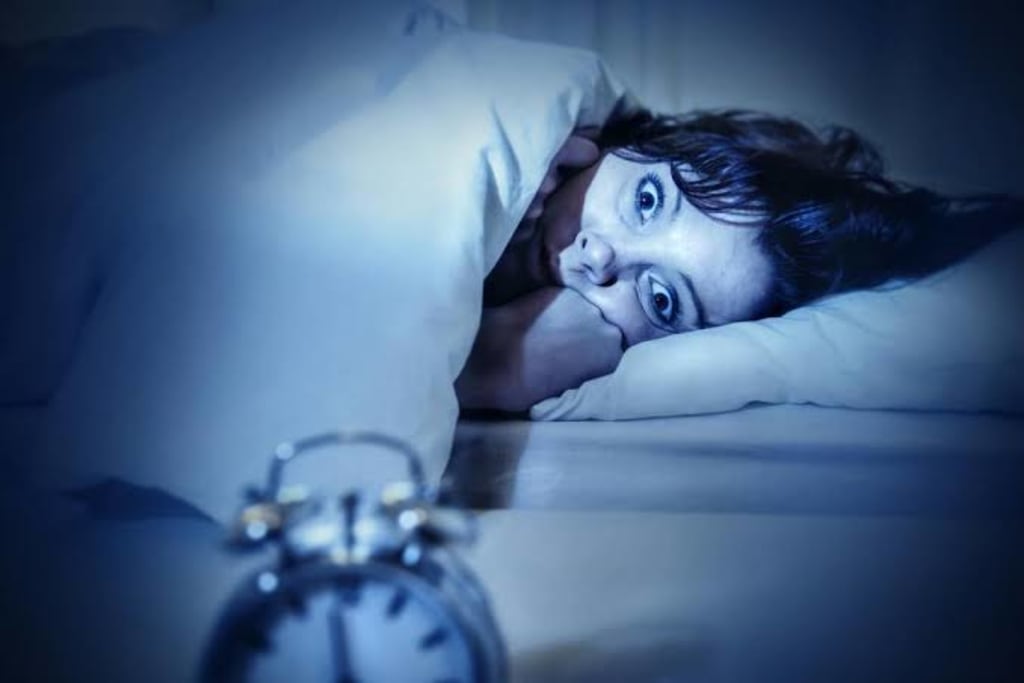
Imagine waking up in the middle of the night, completely unable to move. Your eyes are open, your mind is awake, but your body is paralyzed. To make things worse, there’s a heavy, dark presence in the room, watching you, creeping closer. This is the terrifying world of sleep paralysis, a condition that blurs the boundaries between dreams and reality, leaving people trapped in their worst fears.
While sleep paralysis has been explained scientifically, its horrifying experiences make it feel like something from a nightmare. This story dives into what sleep paralysis is, why it happens, and why so many people describe it as one of the most frightening things they've ever experienced.
What Is Sleep Paralysis?
Sleep paralysis occurs when a person becomes conscious during their REM (Rapid Eye Movement) sleep cycle but is unable to move or speak. REM is the stage of sleep where dreaming happens, and during this time, the brain temporarily "paralyzes" the body to prevent us from acting out our dreams. In sleep paralysis, this paralysis continues even after we wake up.
While it usually lasts only a few seconds to a couple of minutes, those who experience it often describe the feeling as terrifying. The inability to move, combined with vivid hallucinations, makes sleep paralysis feel like a waking nightmare.
The Dark Figures in the Room
One of the most common and chilling aspects of sleep paralysis is the hallucinations that often come with it. Many people report seeing shadowy figures lurking in the room. Some describe a figure sitting on their chest, making it hard to breathe. Others see strange creatures, ghostly faces, or feel an overwhelming sense of doom.
What’s fascinating—and terrifying—is how similar these hallucinations are for people across different cultures. Throughout history, these shadowy figures have been referred to as demons, witches, or even aliens. The sensation of being pinned down by a dark presence has been described in folklore around the world, long before the scientific term "sleep paralysis" was introduced.
Why Do These Hallucinations Happen?
The hallucinations that occur during sleep paralysis are thought to be linked to the overlap of dreaming and waking states. Because the brain is still partially in REM sleep, the vivid images from dreams can carry over into our waking consciousness. This is why people often see strange or terrifying things, even though they know they’re awake.
The feeling of pressure on the chest or difficulty breathing, often described as being "held down" by a dark figure, is thought to be caused by the body’s natural REM paralysis, combined with the anxiety of the experience. In other words, the fear and stress of being unable to move might make the sensations feel even more intense and real.
The Connection to Nightmares
Sleep paralysis has a strong connection to nightmares. In fact, people who experience frequent nightmares are more likely to have episodes of sleep paralysis. It’s also common for people to slip into a nightmare right after the paralysis ends, further deepening the sense of terror.
Imagine this: you finally manage to break free from the paralysis, only to fall back asleep and find yourself trapped in a nightmare, reliving the same terrifying experience over and over. It’s no wonder many people describe sleep paralysis as one of the most horrifying things they’ve ever gone through.
Who Is Affected by Sleep Paralysis?
Sleep paralysis can happen to anyone, but certain factors make it more likely. People who experience high levels of stress, sleep deprivation, or irregular sleep patterns are more prone to it. It’s also more common in people with sleep disorders like narcolepsy. In fact, it’s estimated that around 8% of the general population will experience sleep paralysis at some point in their lives.
Interestingly, people who sleep on their backs are more likely to experience sleep paralysis. This position may increase the chance of the body’s REM paralysis lingering after waking.
How to Manage and Prevent Sleep Paralysis
Though terrifying, sleep paralysis is generally harmless. However, for those who experience it frequently, there are ways to reduce the likelihood of an episode:
1. Improve sleep hygiene: Going to bed and waking up at the same time every day can help regulate your sleep cycle and reduce sleep disruptions.
2. Reduce stress: Since stress is a major trigger, finding ways to manage it through relaxation techniques or mindfulness can be helpful.
3. Change sleep position: Sleeping on your side instead of your back may decrease the chance of experiencing sleep paralysis.
4. Get enough sleep: Sleep deprivation is a big contributor to sleep paralysis, so making sure you get enough rest each night is crucial.
Conclusion
Sleep paralysis is a frightening phenomenon where the mind is awake, but the body is frozen in a state of terror. The vivid hallucinations that come with it, from shadowy figures to ghostly apparitions, make the experience feel all too real. While science explains much of what happens during sleep paralysis, the fear and helplessness people feel during an episode are hard to shake.
For those who’ve experienced it, sleep paralysis is more than just a bad dream—it’s like being trapped in the shadows, unsure whether you’ll ever escape.
About the Creator
Tipu Das
Hi, I’m Tipu! I love storytelling and exploring various topics. Whether it's history, trends, or personal growth, I'm here to share insights. Join me on this journey as we discover new ideas together!
The Uniform
The Capulins were a small family of three which consisted of two parents and a son. Oliver was very intelligent and had been accepted into a known private school. Ada was proud of her son and couldn't help but smile when he first put on that uniform. Not his father was the first to notice that something was wrong with his son.
By 3rrornightshift2 days ago in Horror


Comments (1)
people did not take this disease seriously. my cousin has it and he suffers a lot.😐