
The Villisca Axe Murders: Iowa’s Unsolved Nightmare That Still Haunts
In the quiet town of Villisca, Iowa, spring of 1912 brought simple Midwestern life: children walking to school, neighbors tending gardens, and families enjoying peaceful evenings. But on the night of June 9–10, that tranquility was shattered in a way so brutal that Villisca would become synonymous with one of America’s most infamous unsolved crimes.

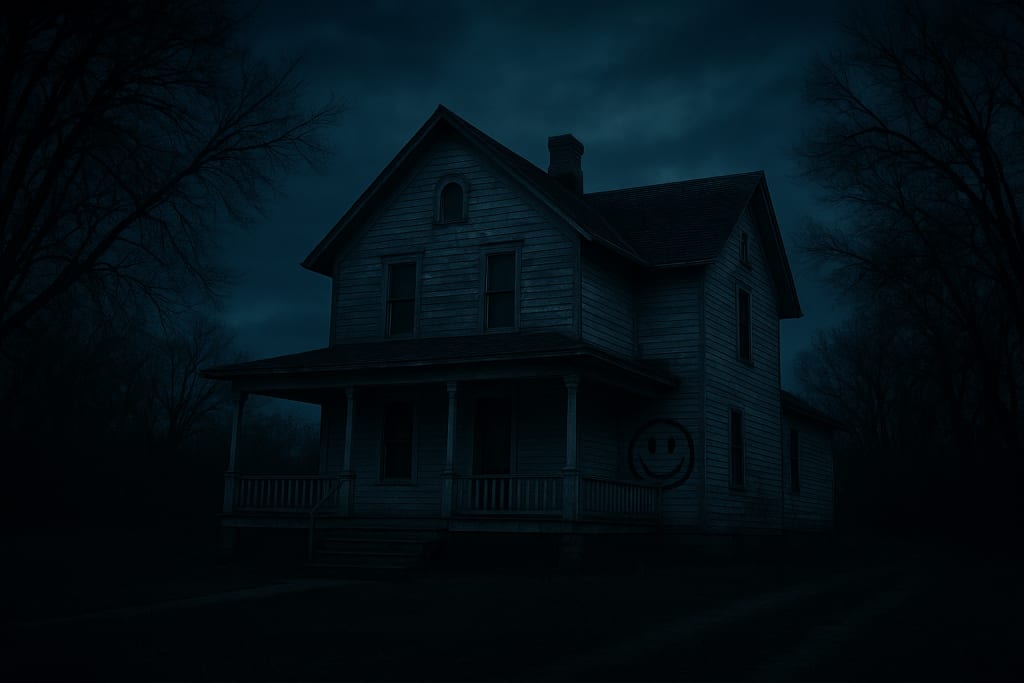
The crime scene that awaited discovery was horrifying: an entire family and two young houseguests brutally murdered with an axe in their own home. The case would captivate the nation, confound investigators, and leave a lingering aura of dread over the town.
The Moore Family and Their Guests
The Moore family, led by Josiah Moore and his wife Sarah, lived at 508 East 2nd Street. They had four children: Herman (11), Katherine (10), Boyd (7), and Paul (5). Josiah, a devout Methodist, ran a successful merchandising business, and the family was respected throughout Villisca.
That weekend, the Moore children invited two friends for a sleepover: Ina and Lena Stillinger, both around Katherine and Boyd’s age. Laughter filled the house that night, unaware that a horrific fate awaited them.
The Discovery
On the morning of June 10, neighbors noticed the Moores’ front porch light remained on. Concerned, they contacted authorities when the Stillinger parents couldn’t reach their daughters.
What police found was almost unimaginable: all eight victims had been killed with an axe, their bodies left in their beds. Josiah and Sarah Moore were bludgeoned in their bedroom, their skulls crushed. The children and visiting girls suffered the same fate, all killed in their sleep.
The axe had been left at the scene—a grim signature. Windows were closed, doors locked from the inside, and there were no signs of robbery. Whoever committed this massacre was meticulous, calculated, and merciless.
The Investigation
News of the murders shocked Iowa and the entire nation. Investigators combed the scene for clues but found almost nothing. The locked doors and lack of forced entry suggested either familiarity with the household or extraordinary planning.
Suspects emerged quickly, but the case was hindered by early 20th-century limitations: rudimentary fingerprinting, poor crime scene preservation, and no concept of criminal profiling.
Suspects and Theories
Over the years, numerous suspects were investigated:
• Frank F. Jones, a local businessman and politician, allegedly had disputes with Josiah Moore. Despite accusations, no evidence connected him to the crime.
• Rev. George Kelly, a traveling minister, had a history of similar attacks. Tried twice for the murders, he was acquitted both times.
• William Mansfield, a drifter, confessed at one point but later recanted. His timeline didn’t match the murders.
Other theories speculated on revenge, hidden grudges, or a traveling serial killer. Despite exhaustive investigations, no one was ever convicted.
Strange Twists and Local Lore
The Villisca Axe Murders became infamous not only for brutality but also for eerie details:
• The axe used was found in the Moore home, but its origin remained uncertain.
• Doors and windows were locked from the inside, leaving investigators puzzled.
• Neighbors reported shadowy figures near the house the night of the murders, though sightings were inconsistent.
Over time, the town itself became a center of curiosity and fear. Stories of the house being haunted, strange lights, and unexplained noises became part of Villisca’s folklore.
The House Today
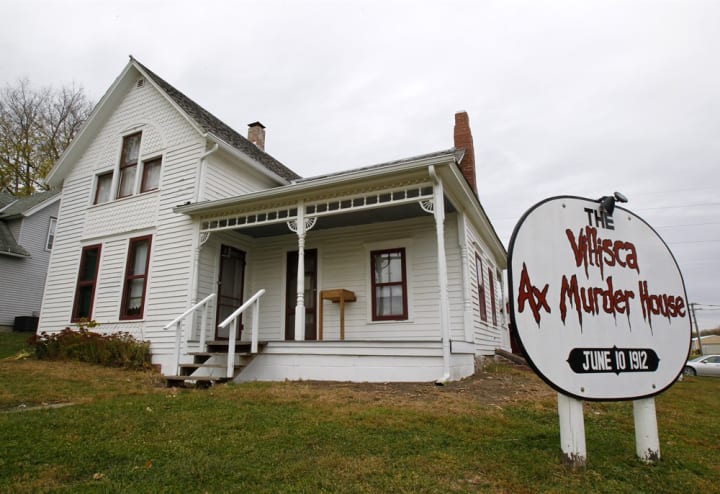
508 East 2nd Street still stands as the Villisca Axe Murder House, a museum and tourist attraction. Visitors can tour the home, seeing the bedrooms, stairs, and even the beds where the victims were found. Paranormal investigators flock here, reporting cold spots, voices, and shadows—though skeptics remain unconvinced.
The house serves as a chilling reminder of the unsolved massacre and the fascination humans have with true crime.
Why the Case Endures
More than a century later, the Villisca Axe Murders remain unsolved. The brutality, precision, and randomness of the victims continue to captivate historians, investigators, and true crime enthusiasts.
The murder of an entire family, including children, strikes a universal chord—a violation of innocence that resonates across generations. Perhaps that is why the story endures: it is not merely historical but a cautionary tale of evil lurking behind familiar doors, haunting a small town forever.
Epilogue
The Villisca Axe Murders symbolize early 20th-century America’s vulnerability and the limits of justice before modern forensic science. The names of Josiah, Sarah, Herman, Katherine, Boyd, Paul, Ina, and Lena remain etched in memory, a haunting reminder that some crimes refuse to be forgotten.
Visitors to the Villisca Axe Murder House still walk its halls, standing where horror once struck. The murderer may never be known, but the story of that night lives on—whispered through the walls, creaking floorboards, and in the chilling legacy of a family gone too soon.
About the Creator
E. hasan
An aspiring engineer who once wanted to be a writer .


Comments
There are no comments for this story
Be the first to respond and start the conversation.