
The Vanishing Village
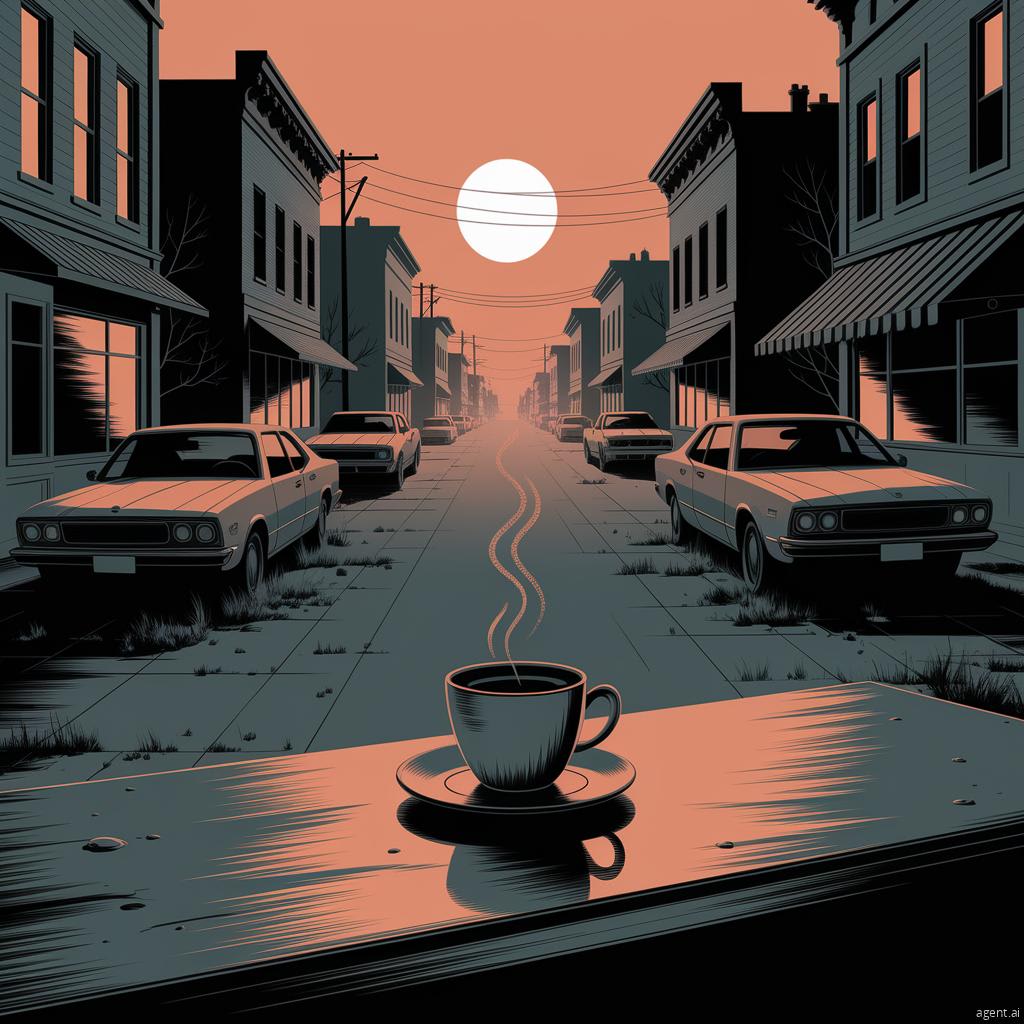
One morning, everyone was gone. The coffee was still warm.
Prologue: The Quiet Dawn
The first thing I noticed was the silence.
No roosters crowing. No children laughing on their way to school. Just an eerie, breathless hush hanging over the village of Black Hollow like a funeral shroud.
I stepped into the inn’s common room and found breakfast laid out—eggs still steaming, coffee freshly brewed. But not a soul sat at the tables. No cook in the kitchen. No patrons at the bar.
The entire village had vanished between sunrise and dawn.
And I was the only one left to find out why.
Chapter 1: The Last Night
It had been a normal evening.
I’d arrived in Black Hollow just before dusk—a travel writer researching remote Appalachian communities. The villagers had been friendly, if a little odd. They kept glancing at the old stone well in the square like it might bite them.
Old Tom Waverly, the innkeeper, poured me a whiskey and said something I’d dismissed as drunken rambling:
“We don’t go near the well after dark. The Lady gets hungry this time of year.”
Now, standing in the empty square at noon, I noticed two disturbing details:
Every door in the village stood wide open.
A single set of muddy footprints led from the well to each house.
And back again.
Chapter 2: The Well’s Secret
The village records in the church basement told a darker story.
Black Hollow wasn’t its original name. The settlement first appeared on maps as “Bridewell”—founded in 1783 by a cult that believed in “marrying the earth.”
Their final entry chilled me:
“December 21, 1783 - All preparations complete. The Bride will accept our offering tonight.”
Below it, a crude drawing of the well with dozens of stick figures pouring something into it. Not water.
People.
I was so engrossed I didn’t notice the temperature dropping until my breath fogged the page.
That’s when I heard it—a wet, slithering sound from the church doorway.
Chapter 3: The Bride’s Feast
The footprints led me to the well at dusk.
Up close, the stones were carved with strange symbols. The iron cover—which should have weighed hundreds of pounds—lay cast aside like a toy.
And from the black depths below came a sound that stopped my heart:
Singing.
Dozens of voices harmonizing a wedding march from the 18th century.
My flashlight shook as I pointed it down the shaft. The beam caught something pale moving in the dark—
—not water.
Dresses.
Hundreds of wedding gowns clinging to skeletal figures, their bony fingers clawing at the walls as they climbed.
And at the very bottom, something larger stirred.
Chapter 4: The Offering
I ran.
But the village had changed. The houses now stood in perfect rows, doors decorated with rotting bouquets. The dirt roads gleamed strangely wet in the moonlight.
A hand grabbed my ankle.
Old Tom Waverly’s corpse lay half-buried in the mud, his mouth sewn shut with coarse twine. His dead eyes rolled toward me in warning as something rippled beneath his skin.
From the well came a new sound—the creak of rope straining.
The Bride was rising.
And I realized with dawning horror why I’d been spared:
Every wedding needs a witness.
Epilogue: The Next Morning
They found my camera in the inn’s common room.
The last photo shows me standing at the well at dawn, smiling, wearing a suit two centuries out of fashion.
Behind me, the village looks perfect. Lived-in.
If you visit Black Hollow today, you’ll find breakfast waiting at the inn. The coffee’s always fresh.
And if you listen closely at dusk, you might hear the villagers singing from the woods.
They sound so happy.
About the Creator
Keep reading
More stories from Majid Masood and writers in Horror and other communities.
The Silent Patient's Secret
Prologue: The Woman Who Never Speaks They called her The Sphinx of Willowbrook Asylum. Elaine Mercer hadn’t uttered a word since the night her husband was found dead in their bathtub, his skin peeled off in long, careful strips. The jury convicted her in under an hour. The psychiatrists deemed her criminally insane.
By Majid Masood11 months ago in Horror
26 terrifying micro-stories to make you faint from fear
Micro-horror relies heavily on what is left unsaid. By providing minimal details, these stories allow readers to fill in the gaps with their own fears and imaginations. This technique creates a more personal and intense experience, as the reader's mind conjures the horrors that are only hinted at, making the fear feel more immediate and real.
By Ninfa Galeano5 days ago in Horror



Comments
There are no comments for this story
Be the first to respond and start the conversation.