
The Unexplained
Alarming Origins of Friday the Thirteenth.

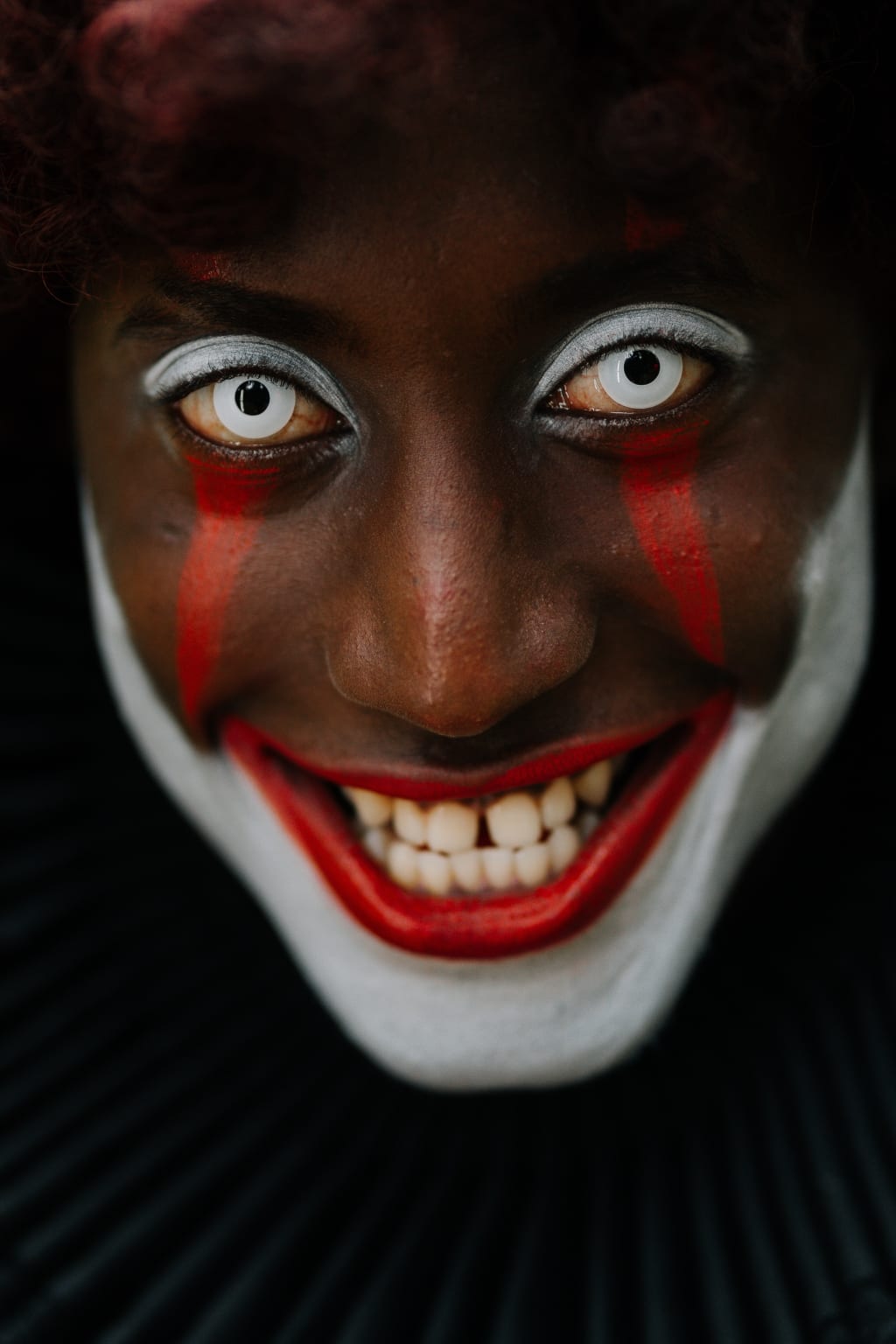
One of the earliest recorded instances of the Friday the thirteenth superstition dates back to the Middle Ages. This was a time when Christianity was the dominant religion in Europe, and people believed in the power of God to bring about good or bad fortune. According to Christian tradition, the Last Supper, where Jesus was betrayed by one of his disciples, took place on a Thursday. This day is now known as Maundy Thursday. The following day, which is now known as Good Friday, is the day on which Jesus was crucified. These events gave Friday a negative connotation in Christian culture, and it became associated with bad luck and misfortune.
The number thirteen has also been considered unlucky throughout history. This belief can be traced back to various cultures, including Norse mythology and ancient Babylonian texts. In Norse mythology, the god Loki was the thirteenth guest at a dinner party, which led to the death of another god. In ancient Babylon, the number thirteen was associated with the god of death and destruction.
When Friday the thirteenth is combined, it creates a potent superstition that is still prevalent in many cultures today. Some people go to great lengths to avoid this day, while others embrace it as a day to celebrate and confront their fears. Regardless of one's beliefs about Friday the thirteenth, it remains a fascinating and alarming superstition that has endured through centuries of human history.
The superstition surrounding Friday the thirteenth has endured for centuries, and its origins are steeped in history and culture. From ancient times to the present day, people around the world have associated this day with bad luck and misfortune.
In addition to its associations with Christianity, Friday the thirteenth has also been linked to pagan beliefs and traditions. The number thirteen, for example, was considered unlucky in many ancient cultures. In Norse mythology, the god Odin was accompanied by twelve other gods, but Loki, the trickster god, was the thirteenth and caused chaos and destruction. Similarly, the ancient Babylonians believed that the number thirteen was unlucky because it was associated with the god of death and destruction.
In some cultures, Friday was also seen as a day of bad luck. This belief can be traced back to the story of Adam and Eve in the Bible, who were said to have eaten the forbidden fruit on a Friday. In other cultures, such as Spanish-speaking countries, Tuesday the thirteenth is considered unlucky.
The combination of Friday and the number thirteen creates a potent superstition that has endured through the centuries. Some people take extreme measures to avoid this day, such as avoiding travel or canceling important appointments. Others embrace it as a day to face their fears and confront superstitions head-on.
One of the most famous examples of the fear surrounding Friday the thirteenth is the stock market crash that occurred on Friday, October 13th, 1989. This event was dubbed "Black Friday" and is widely regarded as a turning point in the global financial system.
Despite its negative connotations, some people have embraced Friday the thirteenth as a day to celebrate and confront their fears. In the United States, a motorcycle group known as the Thirteen Rebels holds an annual rally on Friday the thirteenth. In some countries, such as Italy, the number thirteen is actually considered lucky.
In conclusion, the origins of Friday the thirteenth are complex and multifaceted. From ancient mythology to Christian traditions, this superstition has evolved over time and has become a part of our cultural heritage. While some people fear this day, others embrace it as a way to confront their fears and challenge superstitions. Whether you believe in its power or not, Friday the thirteenth remains a fascinating and alarming superstition that continues to captivate our imaginations.
The origins of the Friday the thirteenth superstition are shrouded in mystery and are a testament to the enduring power of human superstition and belief. From the associations with Christianity and ancient mythology to the fear of the number thirteen, this superstition has persisted through centuries and continues to influence our lives to this day.
While some people dismiss Friday the thirteenth as a mere superstition, it is clear that this belief has had a profound impact on human behavior and culture. From the stock market crashes to the reluctance of some airlines to include the thirteenth row in their seating plans, the fear of this day has real-world consequences.
However, it is important to note that not all cultures view Friday the thirteenth as a day of bad luck. In some parts of the world, such as Italy, the number thirteen is actually considered lucky. This is a reminder that superstitions are often shaped by cultural and historical contexts and that their meanings can vary from place to place.
Ultimately, the Friday the thirteenth superstition is a fascinating and alarming part of our cultural heritage. Whether we embrace it or fear it, it remains a potent reminder of the power of human beliefs and the enduring legacy of our cultural traditions. As we continue to navigate the complexities of the modern world, we can take solace in the fact that some things, such as our fascination with the supernatural, will always endure.
About the Creator
Bob Oliver
Bob is a versatile writer & communicator passionate about exploring diverse topics & perspectives. I have written for various media outlets. And I believes in using words to inspire positive change. #writing #communication #passion
Keep reading
More stories from Bob Oliver and writers in Horror and other communities.
A list of the 10 most frightening demons summoned by teenagers.
In my opinion, there are two types of people in the world: those who would never summon a demon even in a life-or-death situation, like myself, and those who summon demons just because. Today's list is composed of the latter type of people. So, without further ado, I recommend subscribing to this channel and Top 10 Hindi Videos because they offer great content, in another language with subtitles, and with me. What's not to like?
By Bob Oliver3 years ago in Horror
The House at the End of Willow Lane
I moved to Willow Creek in early 2026, eager for a fresh start after years of living in a crowded city where every night sounded like honking cars and distant sirens; the house I found was an old two‑story with faded blue siding and a wrap‑around porch that gave it an almost storybook charm, and at first glance, it looked like the perfect place to rebuild my life — quiet, secluded, and surrounded by tall pines that rustled softly in the wind like whispered lullabies.
By The Curious Writera day ago in Horror


Comments
There are no comments for this story
Be the first to respond and start the conversation.