
The Texas Chainsaw Massacre franchise: 5 timelines of a complex horror story
If you are a fan of The Texas Chainsaw Massacre franchise, you should watch all five timelines to fully understand the story

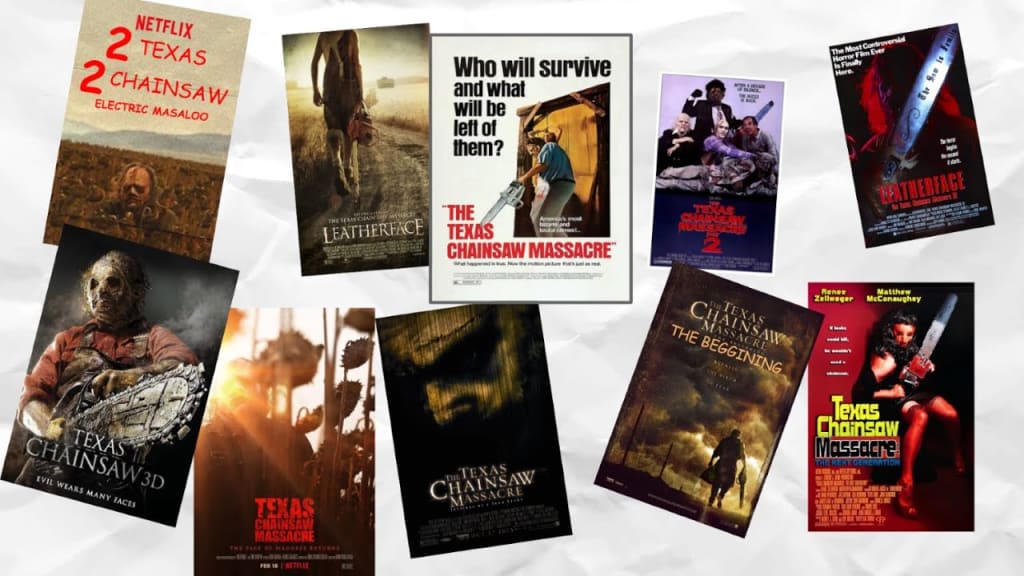
The Texas Chainsaw Massacre franchise is known for its complex and often confusing timelines, stemming from multiple sequels, remakes, and reboots.
One of the primary reasons for the franchise's convoluted timeline is the frequent change of ownership and rights to the property. Over the years, different production companies have acquired the rights, leading to various interpretations and reboots of the story. This has resulted in multiple films that often disregard the events of previous entries, creating a fragmented narrative.
Here are the five main timelines that fans and scholars often reference:
1. Original Timeline (1974-1995)
This timeline includes the first four films, which are generally considered direct sequels to the original:
The Texas Chain Saw Massacre (1974): Directed by Tobe Hooper, this film introduces Leatherface and the cannibalistic Sawyer family.
The Texas Chainsaw Massacre 2 (1986): Also directed by Hooper, this sequel shifts towards dark comedy while continuing the story of the Sawyer family.
Leatherface: The Texas Chainsaw Massacre III (1990): Directed by Jeff Burr, this installment attempts to return to a more serious tone but is often seen as a lesser entry.
Texas Chainsaw Massacre: The Next Generation (1995): Directed by Kim Henkel, this film features a new cast and a more bizarre narrative, including a secret society subplot.
This timeline is characterized by its direct connections and continuity, although it suffers from inconsistencies, particularly in character backstories and family names.
2. Platinum Dunes Remake Timeline (2003-2006)
This timeline consists of a remake and its prequel:
The Texas Chainsaw Massacre (2003): Directed by Marcus Nispel, this film is a modern retelling of the original, featuring a new storyline and character backgrounds, including Leatherface's real name, Thomas Hewitt.
The Texas Chainsaw Massacre: The Beginning (2006): A prequel to the 2003 film, it explores the origins of Leatherface and his family, set against the backdrop of the Vietnam War.
This timeline is notable for its polished production values and attempts to modernize the horror elements of the original.
3. Alternate Sequel Timeline (2013-2017)
This timeline includes films that attempt to connect back to the original while ignoring the previous sequels:
Texas Chainsaw 3D (2013): A direct sequel to the 1974 film, it follows Heather, who discovers her connection to the Sawyer family. It disregards the events of the previous sequels.
Leatherface (2017): A prequel that explores the early life of Leatherface, this film attempts to provide a backstory while still connecting to the original film.
This timeline is marked by its effort to create a cohesive narrative that ties back to the original while ignoring the convoluted history of the sequels.
4. Legendary Entertainment Timeline (2022)
This timeline features a direct sequel to the original film, set decades later:
Texas Chainsaw Massacre (2022): Released on Netflix, this film takes place 50 years after the original and features an older Leatherface. It attempts to modernize the themes of the original while introducing new characters.
This timeline is significant for its attempt to bring the franchise into contemporary horror, reflecting modern societal issues while retaining the essence of the original.
5. The "What If" Timeline
This unofficial timeline considers all films as potentially existing within the same universe, allowing for a more fluid interpretation of events. Fede Álvarez, the producer of the 2022 film, suggested that viewers could decide how the various films fit together, acknowledging the franchise's chaotic continuity.
This perspective allows fans to enjoy the films without being constrained by strict chronological order, embracing the franchise's legacy of horror and creativity.
Conclusion
The Texas Chainsaw Massacre franchise features multiple timelines that reflect its evolution over the decades. Each timeline offers a unique take on the iconic character of Leatherface and the horror genre, contributing to the franchise's enduring legacy.
About the Creator
Ninfa Galeano
Journalist. Content Creator. Media Lover. Geek. LGBTQ+.
Visit eeriecast ,where you'll find anonymous horror stories from all over the world. Causing insomnia since 2023.
Keep reading
More stories from Ninfa Galeano and writers in Horror and other communities.
All AloneTogether Review: when the horror story you created comes to life
Today the horror movie All Alone Together directed by Maximus Jenkins is released on the digital market, a rather original story. A filmmaker achieves an impressive success in the last film he directs, but his life collapses in all aspects.
By Ninfa Galeano6 months ago in Horror
Miss Persephone's Manual to a Seemingly Ordinary Life
Miss Persephone was found at the dining table, her blue eyes swollen, her tears arriving and retreating like the tides of the ocean. Earlier that day, her family had visited her in the retirement home where she had lived for eight years. It was her eightieth birthday.
By Imola Tóth3 days ago in Fiction


Comments
There are no comments for this story
Be the first to respond and start the conversation.